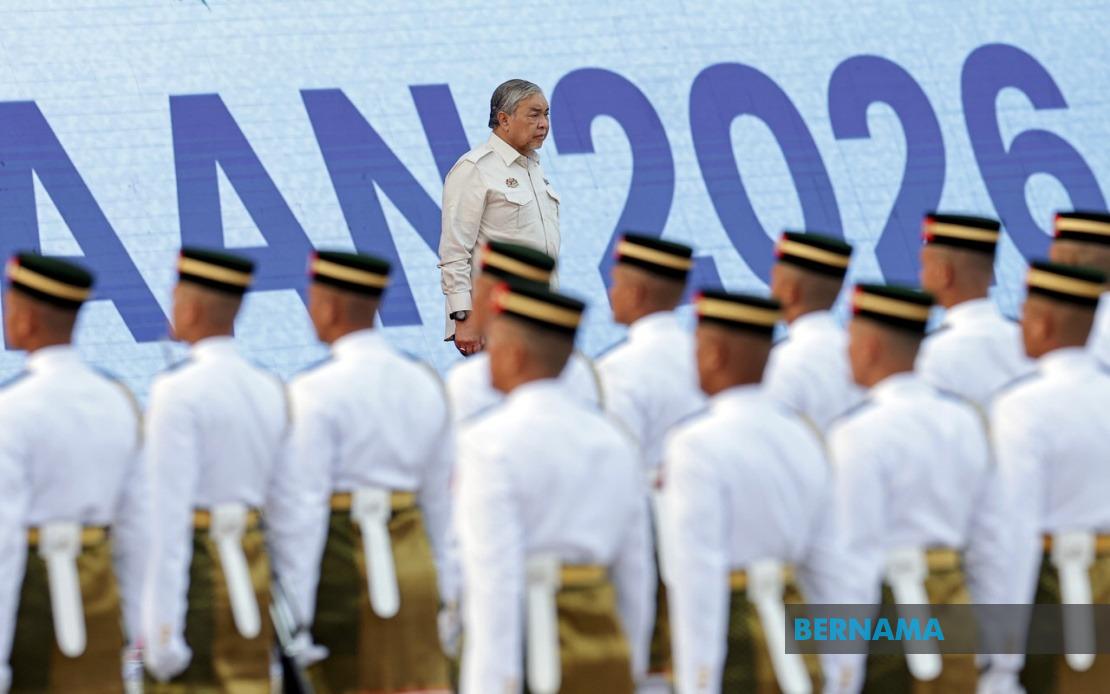
Malaysia's 2026 National Day celebration at Dataran Putrajaya has been hailed as a turning point in civic engagement, with Deputy Prime Minister Datuk Seri Dr Ahmad Zahid Hamidi describing the event as significantly more robust than previous years' commemorations. The scale and enthusiasm displayed throughout the day pointed to what government officials characterise as a resurgence in patriotic fervour across the nation, marking a notable shift in public participation during national observances.
The festivities unfolded under the theme Malaysia MADANI: Kesejahteraan Dinikmati, which centres on shared prosperity and inclusive development. This thematic focus appears to have resonated with citizens, as the gathering drew an estimated 100,000 visitors to the capital's ceremonial heart. The sheer numbers involved—representing a significant cross-section of Malaysian society—underscore the symbolic importance placed on National Day in the contemporary political landscape.
At the heart of the proceedings stood Malaysia's constitutional monarchy, with His Majesty Sultan Ibrahim and Her Majesty Raja Zarith Sofiah gracing the occasion with their presence. The participation of the reigning monarchs carries particular weight in Malaysia's Westminster-influenced system, lending ceremonial gravitas to the event whilst emphasising the nation's continuing commitment to constitutional governance and the institution of the monarchy itself.
The parade component of the celebration itself demonstrated considerable scale and organisation. With 10,819 participants marching across 76 separate contingents, supplemented by 22 marching bands, the procession showcased Malaysia's institutional diversity—from security forces to civil services, community groups, and cultural associations. This breadth of representation speaks to deliberate efforts to foster a sense of collective national identity that encompasses the country's plural society.
Prime Minister Datuk Seri Anwar Ibrahim's attendance, alongside his full Cabinet, reflected the government's commitment to investing in the National Day observance as a central platform for articulating its vision of Malaysia. In the Malaysian political context, such high-level participation in patriotic ceremonies carries practical significance beyond mere symbolism, serving as an occasion for the executive to reinforce national narratives and policy priorities directly to the public.
Ahmad Zahid's comments regarding the enhanced patriotic spirit merit examination within Malaysia's broader social and political trajectory. In recent years, questions about national cohesion and social fragmentation have periodically featured in public discourse, making statements about growing patriotism particularly relevant. If such sentiment is indeed strengthening, it could suggest successful messaging around unity themes or genuine shifts in public sentiment toward national symbols and institutions.
The timing of such a large-scale gathering also carries geopolitical undertones. In Southeast Asia's increasingly complex security environment, with regional tensions and great power competition shaping the strategic landscape, national consolidation efforts take on added significance. Malaysia's demonstration of civic unity and institutional capacity through events like National Day functions as a subtle assertion of national coherence and stability to both domestic and international audiences.
The concentration of over 100,000 people in Dataran Putrajaya from early morning onwards also represents a logistical achievement worth noting. Managing such crowds safely whilst maintaining the ceremonial dignity of the occasion requires substantial coordination among security, transport, and municipal authorities. The successful execution of the event reflects institutional competence and planning, factors that contribute to public confidence in governmental capacity.
From a Malaysian perspective, this National Day celebration reflects several interconnected trends. The apparent surge in voluntary civic participation suggests that messaging around national unity and shared destiny continues to hold purchase among significant segments of the population. Whether this represents sustained transformation or cyclical enthusiasm around National Day observances specifically remains a question for ongoing observation.
The inclusive framing of the Malaysia MADANI theme, emphasising prosperity enjoyed collectively rather than accrued individually, addresses contemporary anxieties around inequality and social division that have featured prominently in Malaysian political discourse. The government's attempt to anchor National Day celebrations to this framework represents a deliberate effort to tie patriotism to tangible commitments around economic distribution and social welfare.
For regional observers, Malaysia's successful staging of large public events continues a pattern of institutional stability despite occasional political volatility. The presence of the full machinery of state, from the monarchy through Cabinet-level officials, demonstrates continuity in constitutional arrangements and political legitimacy, factors that contribute to the country's regional standing.
Looking forward, the scale of this year's celebration may establish new expectations for future National Day observances. Whether subsequent years can match or exceed this participation level will provide indicators of whether the patriotic sentiment Ahmad Zahid identified represents a durable shift or represents peak enthusiasm around this particular iteration of national commemoration. The answer carries implications for how policymakers approach future nation-building initiatives and public engagement strategies.

