The fourth edition of National Unity Week concluded in Kota Kinabalu on June 14 with unprecedented attendance figures that underscore the Malaysian public's deepening interest in celebrating the nation's cultural mosaic. The four-day showcase, which ran from June 11, welcomed 284,448 visitors—a milestone that surpasses all previous iterations of the initiative since its establishment in 2023. The milestone signals a meaningful shift in public consciousness, suggesting that Malaysians are increasingly receptive to programming that foregrounds the country's ethnic and cultural assets as wellsprings of national strength.
National Unity Minister Datuk Aaron Ago Dagang attributed the surge in participation to Malaysians' growing recognition that cultural diversity and distinctive heritage traditions constitute fundamental pillars underpinning social cohesion. Speaking in a statement released on June 17, the minister characterised the turnout as evidence of widespread appreciation for the intricate tapestry of identities that characterise the nation. This framing positions the event not merely as entertainment or education, but as a barometer of collective sentiment toward the concept of unity itself—one that depends fundamentally on acknowledgement and celebration of difference rather than erasure of it.
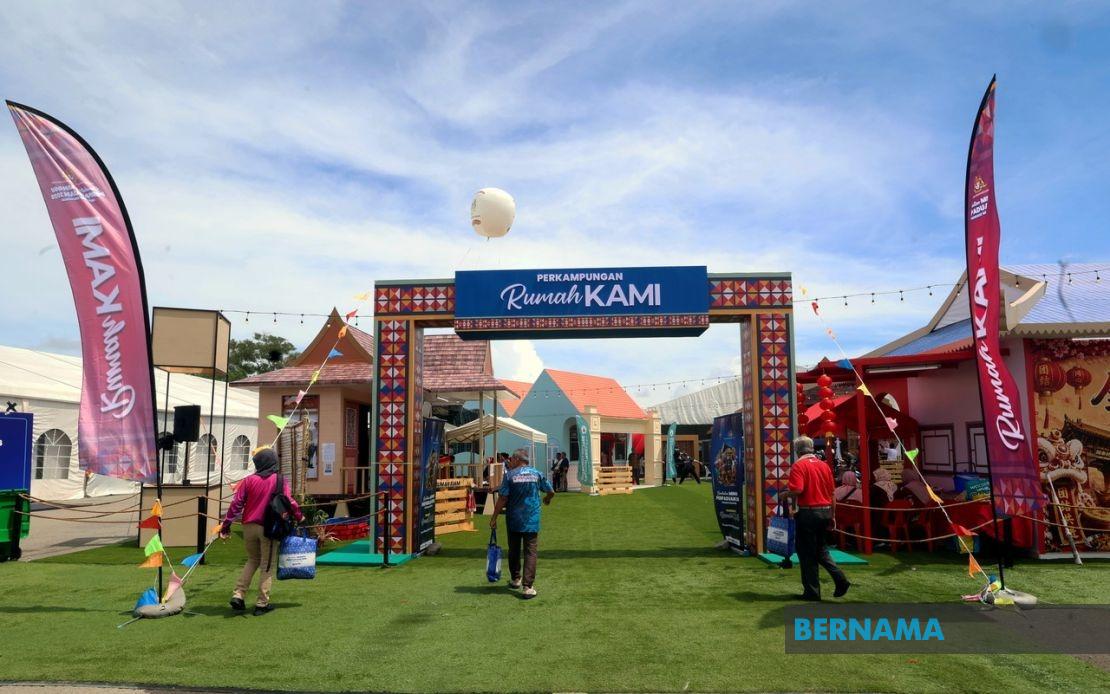
Three distinct exhibition spaces emerged as particularly compelling draws for the visiting public, each addressing different aspects of Malaysia's cultural composition. The Ethnic Village functioned as an immersive space where visitors encountered authentic representations of daily life practices, social customs, and material culture associated with the country's principal communities. Rather than presenting culture as static museum artefacts, the village format allowed for dynamic engagement and observation of living traditions. This experiential approach appears to have resonated with attendees seeking substantive rather than superficial encounters with cultural expression.
Complementing this broader survey, the Ethnic Houses exhibition zeroed in on specific communities whose distinct architectural styles, decorative traditions, and heritage practices merit focused examination. The selection encompassed the Bajau, Melanau, Banjar, Kedayan, and Portuguese communities—a curation that reflects Malaysia's stratified history of migration, settlement, and cultural synthesis. By isolating and highlighting these particular groups, the exhibition created intellectual and visual space for deeper appreciation of nuances that broader categorical frameworks might obscure. The Portuguese inclusion, in particular, signals acknowledgement of the historical layers embedded in Malaysian identity, extending beyond contemporary ethnic categories.
The Negara Bangsa and Raja Kita Exhibition proved notably effective at engaging younger visitors, generating substantial interest in the nation's historical trajectory and institutional foundations. This outcome carries particular significance for policymakers concerned with cultivating historical consciousness and civic identity among Generation Z, a demographic sometimes characterised as disconnected from national narratives. The exhibition's success suggests that when historical content is presented in contemporary, accessible formats, young Malaysians demonstrate genuine appetite for understanding the origins and evolution of their political community.
Minister Ago Dagang articulated a crucial insight regarding the limitations of episodic cultural programming, emphasising that durable national integration cannot emerge from isolated annual events alone. Instead, he contended, meaningful unity requires sustained institutional commitment and intergenerational transmission of shared values and mutual respect. This reflection acknowledges a common weakness in diversity initiatives globally—the risk that annual celebrations become performative rituals disconnected from quotidian institutional practices and resource allocation. The minister's framing suggests the Ministry of National Unity recognises this pitfall and aims to embed unity-building into ongoing governmental and societal practice.
In response to the overwhelming attendance and positive reception, the Ministry of National Unity signalled intention to perpetuate the National Unity Week as a permanent fixture in the national calendar. Beyond simple continuation, however, the ministry commits to expanding the infrastructure and opportunities available for cross-cultural interaction and relationship-building among Malaysians of different backgrounds. This expansion philosophy—moving from a static four-day event to a platform generating year-round engagement opportunities—represents a more sophisticated approach to unity work than conventional festival programming.
The initiative aligns closely with the MADANI Government's stated commitment to constructing national unity through a shared vision deliberately transcending ethnic, religious, and geographic divisions. By situating National Unity Week within this broader governance framework, officials position cultural celebration and heritage appreciation as instrumental to the administration's core policy agenda rather than peripheral activities. This institutional embedding enhances the likelihood of sustained support and resource allocation over successive government cycles.
Minister Ago Dagang's closing remarks emphasised that genuine national integration demands active commitment from a multiplicity of institutional and societal actors extending well beyond government apparatus. He specifically enumerated the private sector, civil society organisations, and individual Malaysian citizens as essential partners in unity-building endeavours. This inclusive framing distributes responsibility across society rather than concentrating it within state institutions, potentially generating more robust and resilient social cohesion grounded in distributed ownership of shared national projects.
The record attendance at National Unity Week 2026 provides empirical validation that Malaysians hunger for structured opportunities to encounter, appreciate, and celebrate one another's cultural inheritances. Whether this appetite translates into sustained changes in attitudes, institutional policies, and everyday social practices remains an open question meriting ongoing assessment. The challenge ahead involves converting spectacular annual gatherings into durable shifts in how Malaysian institutions and communities engage questions of cultural recognition, resource distribution, and genuine intercommunal relationship-building throughout the year.