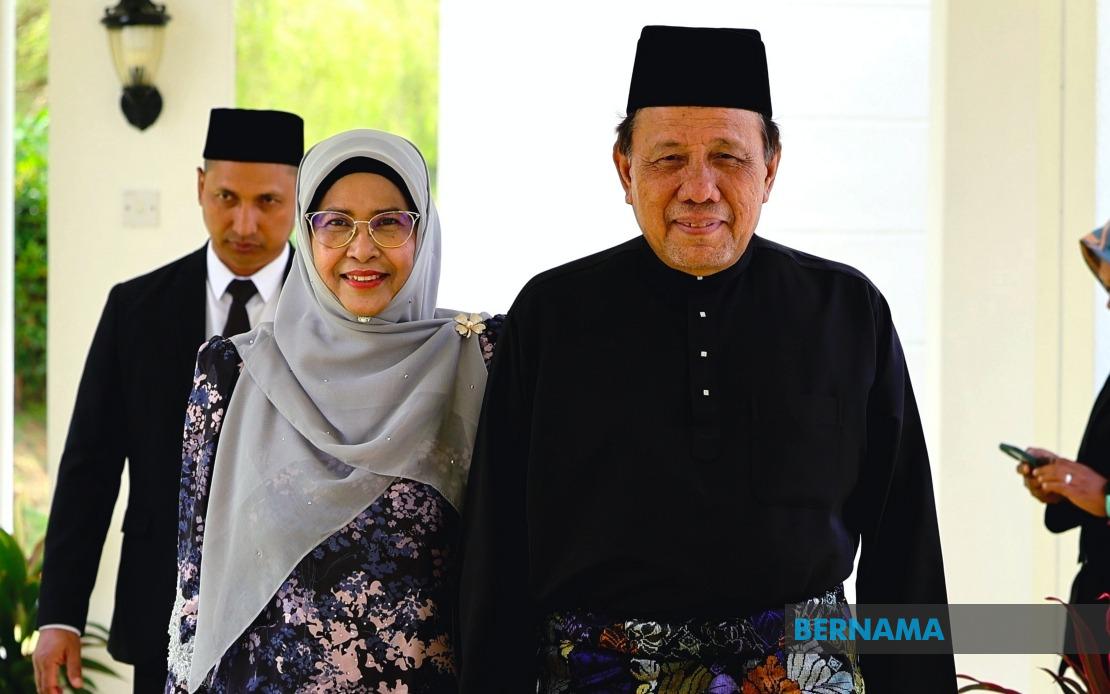
Negeri Sembilan has granted an extra public holiday on August 3, marking a gesture of appreciation from the state government to citizens and all who participated in the recently concluded 16th state election. The announcement came from newly appointed Menteri Besar Datuk Ismail Lasim, who emphasised that the decision reflected the gratitude owed to the electorate and various stakeholders whose contributions made the electoral process successful.
Datuk Ismail made the declaration during his first press conference as Menteri Besar, held in Kuala Pilah after his swearing-in ceremony at Istana Besar Seri Menanti. The decision carries the royal endorsement of Tuanku Muhriz Tuanku Munawir, the Yang Dipertuan Besar of Negeri Sembilan, whose consent was essential to formally establish the holiday. This consent underscores the collaborative relationship between the newly elected administration and the state's constitutional monarchy.
The Menteri Besar, aged 67, was sworn in following the conclusion of the state election held on August 2. At the ceremony, he expressed his deep gratitude for the royal appointment, acknowledging the symbolic importance of receiving Tuanku Muhriz's support. He emphasised that the special holiday reflected the state government's commitment to recognising the efforts of all participants in the democratic process, from candidates and party workers to ordinary voters.
Datuk Ismail justified the one-day break by noting the exhaustion experienced by many involved in the election campaign and voting process. Election periods in Malaysia typically place considerable strain on electoral staff, party machinery, and volunteers who work extended hours during campaigning and polling day itself. By granting an additional day for rest and recovery, the government sought to acknowledge the physical and mental toll of participating in democratic exercises.
The 16th Negeri Sembilan state election produced a decisive outcome that will shape governance in the state for the coming term. The Barisan Nasional coalition secured 18 of the 36 state legislative seats up for grabs, while the Perikatan Nasional coalition won seven seats. This combined strength of 25 seats between the two coalitions grants them an overwhelming two-thirds majority in the State Legislative Assembly, providing substantial political leverage for legislative initiatives and policy implementation. The decisive mandate suggests a clear expression of voter preference across the state.
The election involved 103 candidates competing for representation across the 36 state constituencies. This relatively large field of candidates reflected the competitive nature of the state election, with multiple parties and independent contenders seeking to represent their respective communities. The diversity of candidates typically indicates robust political participation and engagement across various demographics and regions within Negeri Sembilan.
For Malaysian observers, the outcome carries broader implications for the federal political landscape. State elections often serve as barometers of national political sentiment, and Negeri Sembilan's results provide insights into voter preferences in one of the more strategically important states. The strong performance by the Barisan Nasional-Perikatan Nasional combination suggests sustained support for these coalitions, particularly compared to opposition forces.
The establishment of a two-thirds majority represents significant political advantage for the governing coalitions. Such a supermajority enables the state government to pass legislation without reliance on opposition votes and provides flexibility in constitutional amendments or other measures requiring enhanced parliamentary support. This outcome strengthens the administration's capacity to pursue policy objectives without obstruction.
Datuk Ismail's emphasis on gratitude and appreciation in his inaugural address signals an attempt to foster inclusivity and national unity following what could have been a contentious electoral period. By acknowledging contributions from diverse quarters rather than simply celebrating a coalition victory, the Menteri Besar sought to establish a tone of reconciliation and collective purpose as the new state administration begins its work.
The granting of the public holiday also reflects practical considerations regarding the state's administrative functioning. Election days and their immediate aftermath require intensive government activity, from tallying results to completing transition procedures. An additional day allows both electoral officials and the broader civil service to process and organise the numerous administrative tasks associated with transitioning to a new government.
For Negeri Sembilan residents, the additional holiday provides a welcome respite during what is typically a demanding period of political activity. The state's working population, including those who volunteered in election activities, benefits from the extended rest period. This practical benefit underscores how the government balanced political messaging with genuine consideration for citizens' wellbeing.
The swearing-in ceremony and announcement represent the formal establishment of the new state administration. With Datuk Ismail now installed as Menteri Besar and holding the confidence of both the royal institution and the electoral majority, Negeri Sembilan enters a new political chapter. The public holiday declaration serves as both an appreciative gesture to the electorate and a symbolic opening statement from leadership committed to inclusive governance and public welfare.

