The Negeri Sembilan Palace has issued a forceful reminder to all contesting political parties that the royal institution must remain insulated from the state's upcoming electoral battle. In an official statement released on July 27, the Comptroller of the Negeri Sembilan Royal Household, Datuk Azizi Mohamad Ali, made clear that any attempt to link the palace, the Ruler, or members of the royal family to political campaigns constitutes a breach of constitutional propriety and public trust.
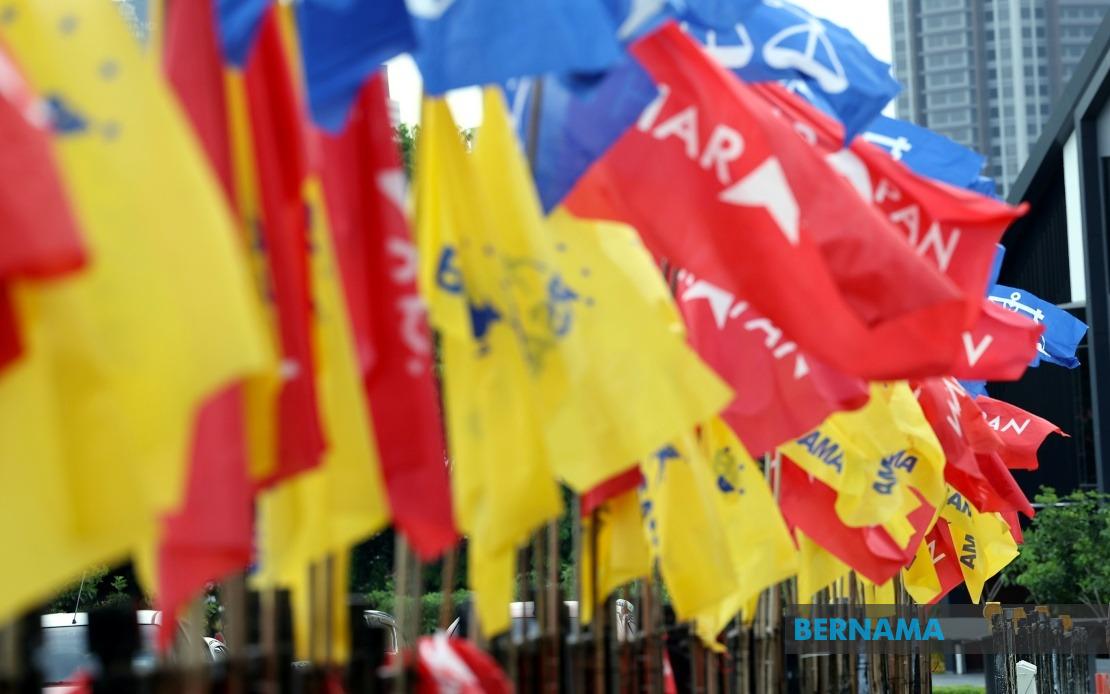
The palace's intervention comes as campaigning intensifies following the dissolution of the Negeri Sembilan State Legislative Assembly on June 5. With early voting scheduled for July 28 and general polling set for August 1, political contenders across the ideological spectrum have been mobilising their machinery. The palace's statement signals concern that the heightened political activity might test the boundaries of acceptable electoral conduct, particularly regarding the invocation of royal symbols and authority.
Datak Azizi emphasised that the monarchy's constitutional role transcends partisan politics. The royal institution, according to the palace's position, serves as a unifying symbol for all Negeri Sembilan citizens regardless of their political affiliations or choices. This custodial function—safeguarding state harmony, stability, and collective well-being—depends entirely on the monarchy's perceived impartiality and distance from electoral competition. When political parties attempt to instrumentalise royal authority or prestige, they fundamentally undermine this constitutional arrangement and erode public confidence in the institution's neutrality.
The palace was explicit in refuting any suggestion that the royal household or its members have endorsed or aligned with any political party. The statement flatly declared that allegations, statements, images, videos, or other materials attempting to establish such links are categorically false. This unambiguous language appears designed to preempt the circulation of potentially misleading content during the campaign period, particularly through social media channels where claims about royal support can spread rapidly and persistently.
A particular concern appears to be the exploitation of communally sensitive topics in campaign messaging. The palace specifically counselled all candidates to avoid instrumentalising issues related to religion, royalty, and race—the so-called 3R framework that Malaysian electoral law treats with considerable caution. These domains intersect with the monarchy's traditional roles as constitutional guardian of Islam and defender of Malay-Muslim interests, creating potential for political parties to blur lines between legitimate policy advocacy and inappropriate royal invocation. By flagging this concern, the palace sought to establish clear boundaries before campaigning reached its most intense phase.
The directive also carries implications for how candidates and supporters communicate during the campaign sprint. The palace urged all participants to conduct their electoral activities with prudence, ethical rigour, and scrupulous adherence to electoral law. This framing positions respect for the monarchy not merely as a matter of traditional deference but as a legal and moral obligation integral to maintaining democratic legitimacy in the state. When candidates violate these norms, they do not merely show disrespect to an institution but undermine the broader framework of constitutional governance.
Beyond the immediate electoral context, the palace's statement reflects broader concerns about information integrity and public understanding. Officials acknowledged the circulation of unverified claims and appealed to citizens to rely exclusively on the Negeri Sembilan Palace's official communication channels. This defensive posture suggests the royal household has observed or anticipates the spread of misinformation linking the monarchy to specific political interests. In an environment where disinformation can shape electoral outcomes, the palace recognised that proactive clarification becomes necessary.
The palace's appeal for public cooperation carries particular weight in Malaysian political culture, where the monarchy commands significant institutional respect and symbolic authority. Citizens' willingness to reject unverified claims and defer to official palace pronouncements can substantially constrain the space available for electoral misinformation centred on royal endorsements or alignments. By mobilising this cultural respect, the palace sought to create social pressure against norm-violating campaign practices.
For the 16th Negeri Sembilan state election specifically, this statement establishes a clear standard against which electoral conduct will be measured. Political parties that invoke royal authority, claim palace support, or use royal symbolism in their campaigns will face legitimate challenges on grounds of constitutional impropriety. This may prove particularly significant if electoral margins are narrow or contestation intense, as the palace's warning has now created documented precedent and public expectation regarding permissible conduct.
The timing of the statement—released nearly a week before polling day—maximises its impact on the home stretch of campaigning. Candidates and party machinery have sufficient notice to adjust their messaging and materials accordingly. Simultaneously, the warning is fresh enough that voters will retain awareness of the palace's position when they cast their ballots, potentially making them more sceptical of any late campaign claims involving royal endorsement.
For Malaysian democratic practice more broadly, the palace's intervention exemplifies the ongoing challenge of maintaining institutional boundaries during competitive electoral periods. Monarchies in Westminster-influenced systems depend on widespread acceptance of their political neutrality; that acceptance becomes strained when political actors attempt to exploit royal prestige or authority. By issuing this unequivocal statement, the Negeri Sembilan Palace has reasserted the constitutional principle that royal institutions exist above and beyond the electoral arena, serving all citizens collectively rather than partisan constituencies.
The statement also sends a broader message to political practitioners across Malaysia that royal institutions will respond forcefully to perceived breaches of acceptable conduct. This precedent may influence behaviour in other state elections and the national arena, reinforcing the expectation that political campaigns must respect constitutional boundaries even under intense competitive pressure. In a federation where royal institutions hold significant custodial authority over constitutional arrangements, their willingness to enforce these boundaries through public statement constitutes an important form of constitutional governance.

