Negeri Sembilan's Parti Keadilan Rakyat branch has formally submitted its slate of prospective candidates to central party leadership for vetting and approval, positioning itself for the state election scheduled for August 1. The submission marks a crucial step in the Pakatan Harapan coalition's preparations for what is expected to be a significant electoral contest in the central Malaysian state.
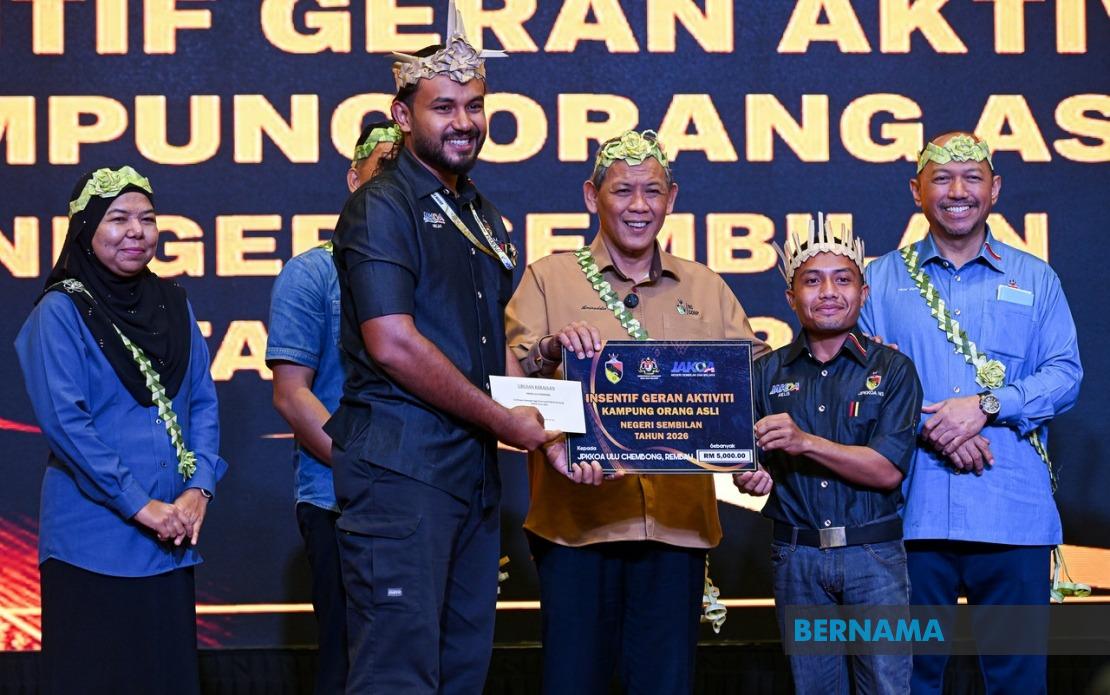
Datuk Seri Aminuddin Harun, who serves as both the Menteri Besar and state PKR chairman, confirmed the candidate submission during an event in Seremban where he presented development grants. The list encompasses nominees for all 16 seats that PKR will contest in the 36-seat assembly, reflecting the party's largest allocation among the three Pakatan Harapan component parties in the state. Aminuddin provided insight into the candidate selection process, noting that the submission includes between three and five potential candidates per contested seat, ensuring a diverse pool from which leadership can make final selections.
The breadth of the candidate pool underscores PKR's commitment to representation across multiple demographics. The prospective nominees encompass women candidates, younger party members bringing fresh perspectives, and seasoned political veterans with established track records in Negeri Sembilan. This deliberately structured approach reflects national political trends toward greater inclusivity and generational renewal within major parties, though the final candidate announcements will reveal how these principles translate into actual nominations.
Aminuddin expressed confidence that the coalition's other components are progressing similarly through their internal selection processes. The Democratic Action Party, contesting 11 of the state assembly seats, and Amanah, fielding candidates for the remaining nine seats, are expected to have completed or nearly completed their own candidate vetting procedures. This coordinated timeline suggests the coalition leadership has aligned expectations across its three parties to present a unified front before the official nomination period concludes.
The formal campaign season approaches rapidly with several key deadlines looming. The Election Commission has set July 18 as nomination day, when all candidates must be officially registered. Early voting is scheduled for July 28, giving those unable to vote on election day an opportunity to cast ballots. The August 1 polling date means that candidate announcements must occur well before mid-July to allow campaigns to gain momentum and introduce nominees to voters.
Coalition coordination represents a persistent challenge for Pakatan Harapan across Malaysian states, as different parties balance internal dynamics with collective electoral interests. The need to announce candidates jointly, or at least in close proximity, reflects efforts to present a coordinated image while respecting each component party's autonomy. Aminuddin's mention of seeking a suitable date for the joint announcement suggests ongoing discussions among PKR, DAP, and Amanah leadership to optimize the political messaging around their candidate slate.
Negeri Sembilan's electoral landscape has shifted notably in recent years, making this contest particularly consequential for Pakatan Harapan. The state has been a traditional stronghold for the coalition, but political dynamics within the state and nationally require careful navigation. The candidate selections will reflect strategic calculations about which seats present strong opportunities versus defensive positions, and how the coalition's deployment of resources across the contest might shift regional political alignments.
The diversity mandate reflected in PKR's three to five candidates per seat also signals attention to demographic representation in a state with significant Orang Asli populations and varied socioeconomic communities. Aminuddin himself highlighted this commitment by distributing grants to Orang Asli village activity programs, suggesting that outreach to indigenous communities and rural constituencies figures prominently in PKR's strategic planning for the election.
The timing of the candidate submission, occurring well in advance of the nomination deadline, indicates confidence within PKR's leadership that the vetting process will proceed smoothly. This early submission provides central party leadership adequate time to review qualifications, assess electability, and make any necessary adjustments before final announcements. For rival parties and political analysts, the candidate roster will offer crucial insights into PKR's priorities and assessment of which constituencies present the strongest opportunities for seat gains or retention.
As Pakatan Harapan prepares for what appears to be a closely watched state election, the candidate announcements will command significant attention from political observers tracking the coalition's momentum and strategic direction. The Negeri Sembilan contest serves as a barometer for broader national political sentiment, particularly regarding the coalition's appeal to voters in states where it currently holds power. The quality and diversity of the candidates fielded will substantially influence both campaign dynamics and electoral outcomes on August 1.

