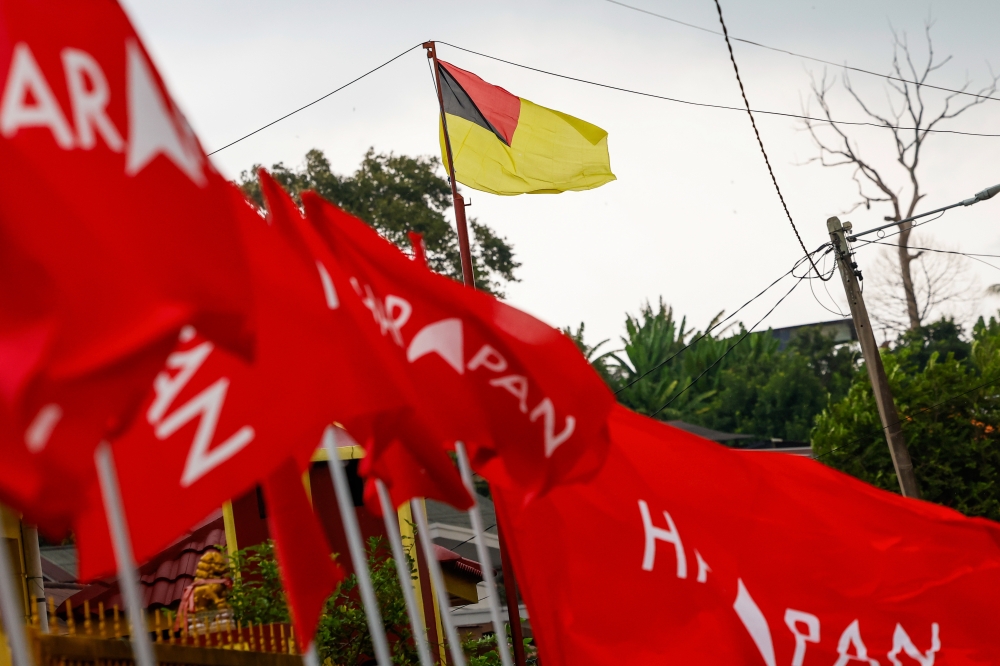
The Royal Malaysia Police's Negeri Sembilan contingent has taken formal action against election-related vandalism and property destruction, launching parallel investigations into two distinct incidents that marred the campaign period. The move underscores law enforcement's determination to address misconduct that extends beyond the ballot box into the realm of public safety and property rights.
Election periods, while fundamental to democratic processes, have historically witnessed upticks in fringe activities and uncontrolled behaviour by overzealous supporters. Negeri Sembilan's decision to formally document these incidents reflects a broader pattern across Malaysia where police departments maintain heightened vigilance during politically charged periods. The simultaneous opening of two investigation papers suggests that authorities identified separate, distinct breaches of public order rather than isolated occurrences.
Property damage during elections remains a persistent challenge for Malaysian law enforcement agencies. Such incidents range from the destruction of campaign materials and installations to vandalism of public and private structures. The consequences extend beyond immediate financial losses to merchants and property owners; they contribute to a climate of political tension and can potentially escalate into more serious confrontations if left unaddressed. Negeri Sembilan's proactive stance demonstrates an understanding that maintaining civic peace requires swift, visible police response.
The investigation framework established by Negeri Sembilan police will likely involve gathering evidence at the affected sites, interviewing witnesses, and reviewing available surveillance footage or digital records. Officers will work to identify perpetrators and establish their motivations, which frequently trace back to partisan political affiliations or disputes between competing factions. The dual investigations provide flexibility for authorities to pursue different investigative threads while maintaining focus on each case's unique circumstances.
For Malaysian readers and businesses operating in Negeri Sembilan, these police actions carry reassuring implications. They signal that law enforcement treats election-period misconduct seriously and possesses the capacity to investigate and prosecute offenders. This institutional response helps deter potential wrongdoers and demonstrates that political participation, however passionate, must remain constrained by respect for property and public order. The formal opening of investigation papers also creates a documented record that may later inform preventive strategies during future electoral cycles.
The broader context of Malaysian elections has shown increasing sophistication in campaign strategies, digital engagement, and grassroots mobilization. However, this expansion of electoral activity has occasionally outpaced civility and adherence to established legal boundaries. Election campaigns in Negeri Sembilan, like those elsewhere in Malaysia, involve diverse communities with varying political preferences, and the management of these differences without resorting to destructive conduct remains an ongoing challenge for public institutions.
From a federal perspective, incidents in individual states like Negeri Sembilan feed into nationwide conversations about election conduct standards and the effectiveness of existing safeguards. The Election Commission and law enforcement agencies regularly review patterns of misconduct to identify gaps in regulation or enforcement. Negeri Sembilan's two investigations will contribute to this institutional learning process, potentially informing recommendations for procedural refinements or enhanced coordination between electoral and police authorities.
For political parties themselves, these investigations carry cautionary messages. While parties cannot control the actions of every supporter, they bear responsibility for the political culture they promote and the implicit encouragement they may provide through their rhetoric and conduct. Parties that explicitly disavow destructive conduct and cooperate with police investigations help reinforce norms of electoral propriety. Conversely, parties seen as tacitly tolerating supporter misconduct risk reputational damage and heightened scrutiny from authorities.
The investigation outcomes will likely take several months to mature, as police methodically gather evidence and pursue leads. Once completed, case files will pass to prosecutors who will determine whether sufficient evidence exists to support criminal charges. Charges may range from mischief and criminal damage to property, potentially extending to organized wrongdoing if multiple individuals were coordinated in their actions. The eventual legal proceedings will provide public clarity on accountability mechanisms and sentencing expectations for election-related misconduct.
Looking ahead, these investigations highlight the importance of election observers, both domestic and international, in documenting and reporting irregularities during campaigns. The presence of credible third-party monitors creates additional pressure on all stakeholders to maintain standards of conduct. Additionally, state and federal authorities benefit from public cooperation; citizens who witness misconduct and report it to police provide vital information that accelerates investigations and increases conviction prospects.
Negeri Sembilan's police response also reflects resource allocation decisions within the broader Malaysian law enforcement ecosystem. The deployment of investigative capacity toward electoral misconduct demonstrates institutional prioritization, suggesting that police leadership views the maintenance of election-period order as a core responsibility rather than an optional initiative. This commitment becomes increasingly important as Malaysia's electoral landscape grows more competitive and emotionally charged across various constituencies.
For Southeast Asian observers, Malaysia's handling of election-related misconduct provides relevant benchmarks. Across the region, countries grapple with balancing freedom of political expression and assembly against the need to prevent violence and destruction. Malaysia's establishment of clear investigative protocols and its willingness to pursue cases through formal legal channels represents a model of institutional response that other democracies in the region continue to refine and emulate.

