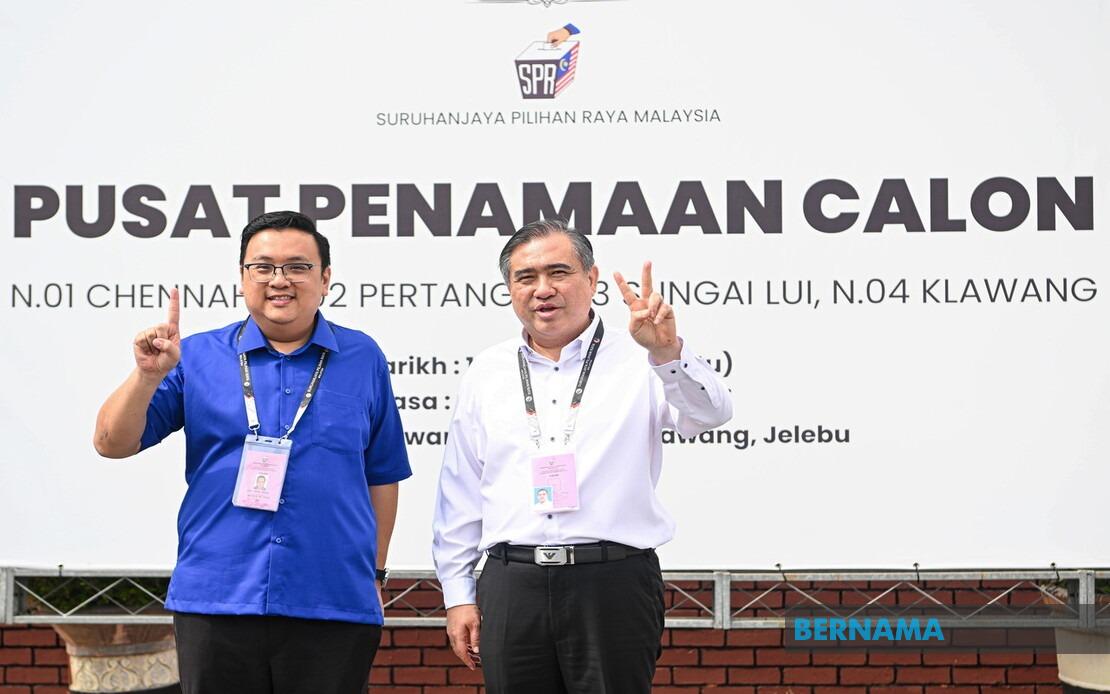
The fragmentation of Malaysia's political landscape takes centre stage in Negeri Sembilan's 16th state election, where the number of uncontested straight fights has collapsed to just 11 of the 36 available seats. This dramatic reversal from the 2023 polls—when 27 seats featured two-candidate races—signals a fundamental shift in how Malaysia's established coalitions are being challenged by smaller political forces seeking relevance at the state level. The Election Commission has scheduled early voting for July 28, with polling day set for August 1, as a total of 889,490 eligible voters prepare to cast their ballots across the state.
The reshaping of electoral competition reflects the growing assertiveness of Perikatan Nasional and Bersatu in contesting traditional Barisan Nasional and Pakatan Harapan strongholds. Twenty-one constituencies will now feature three-cornered contests—up from merely seven in 2023—fundamentally altering the strategic calculus for all major parties. This proliferation of multi-party competition suggests that neither the established BN-PH duopoly nor the opposition coalitions can take voter support for granted, particularly as regional identity and local grievances become increasingly influential in determining electoral outcomes.
While the majority of contests involve three participants, the state election will witness unprecedented complexity in two constituencies facing five-way races, marking the first time such contests have appeared in Negeri Sembilan's electoral history. Additionally, two seats will see four-cornered battles, further complicated the political landscape. This diversification of competition reflects the electoral ambitions of smaller parties and independent candidates who view state elections as proving grounds for expanding their political influence and demonstrating viability beyond their traditional bastions.
High-profile political figures will anchor the straight fights that remain, lending prestige and national significance to what would otherwise be regional contests. In Chennah, DAP Secretary-General and Transport Minister Anthony Loke will carry the Pakatan Harapan banner against Barisan Nasional's Siow Kong Choon, turning the seat into a proxy battle between coalition heavyweights. Similarly, the Rantau constituency will pit UMNO Deputy President and Foreign Minister Datuk Seri Mohamad Hasan against Pakatan's Dr Azizul Hakim Mahdi, ensuring that national-level politics directly influences voters' considerations in this state-level contest.
The three-cornered battles introduce tactical complexity that could significantly impact outcomes in closely-divided constituencies. In Linggi, Negeri Sembilan Menteri Besar Datuk Seri Aminuddin Harun of PKR faces challenges from both Barisan Nasional's Datuk Mohd Faizal Ramli and Bersatu's Zamri Md Said, fragmenting the opposition vote and potentially benefiting one of the challengers despite Aminuddin's incumbency advantages. The Pertang seat presents similar dynamics, where Negeri Sembilan UMNO Liaison Committee chairman Datuk Seri Jalaluddin Alias must manage opposition from both Pakatan's Mohd Umry Abdul Khois and Bersatu's Mohd Faizal Fadli Mohd Idrus, forcing all parties to pursue aggressive ground campaigns to consolidate their voter bases.
The Klawang constituency exemplifies how independent candidates and smaller parties are increasingly leveraging state elections to build political presence. Danni Rais, son of veteran politician Tan Sri Rais Yatim and representing Perikatan Nasional, will contest against incumbent Datuk Bakri Sawir of Pakatan Harapan and Bersatu's Muhammad Adib Musa. The presence of PN—traditionally associated with Bumiputera-centric politics—in what has been a competitive PH-BN battleground signals shifting voter preferences and the effectiveness of PN's recent repositioning strategy at the state level.
The emergence of four-way contests demonstrates how electoral fragmentation creates opportunities for candidates outside the major coalitions. In Jeram Padang, incumbent Datuk Mohd Zaidy Abdul Kadir of Barisan Nasional faces three opponents: Pakatan Harapan's G. Manivannan, Bersatu's R. Sri Sanjeevan, and notably Dayana Dal representing Parti Orang Asli Malaysia. The inclusion of indigenous-focused parties signals growing recognition of specific community interests and the willingness of voters to support candidates aligned with particular demographic priorities rather than defaulting to established coalitions.
Rahang presents another four-cornered contest where incumbent Siaw Meow Keong of Pakatan Harapan must defend his seat against Barisan Nasional's Yap Siok Moy, Bersatu's Tang Jay San, and Parti Sosialis Malaysia's S. Thinagaran. The participation of a socialist party in state-level electoral competition, albeit in a single constituency, reflects the broader diversification of political voices and ideological perspectives now contending for representation in Negeri Sembilan's state assembly.
The two five-cornered contests represent the election's most complex battlegrounds. In Nilai, incumbent J. Arul Kumar of Pakatan Harapan must navigate challenges from Barisan Nasional's Lai Chien Kong, Bersatu's Datuk V. Saravana Kumar, Barisan Jemaah Islamiah Se-Malaysia's Zamani Ibrahim, and independent candidate Omar Mohd Isa. Similarly, Sri Tanjung's incumbent Datuk Dr G. Rajasekaran faces four opponents including representatives from BN, Bersatu, and two independent candidates, Datuk A. Saravanan and Islah Wahyudi Zainudin. These contests may ultimately be decided by narrow vote-splitting, potentially allowing a candidate with plurality support to claim victory despite majority opposition.
The electoral fragmentation evident in Negeri Sembilan reflects broader trends reshaping Malaysian politics beyond traditional federal dynamics. The rise of three-cornered and multi-way contests suggests voters increasingly feel comfortable splitting their support across multiple parties rather than consolidating behind established coalitions. This represents both opportunity and risk for Pakatan Harapan and Barisan Nasional, which must expand their appeal while managing defections to smaller parties and independent candidates who can mobilize specific voter constituencies through targeted messaging.
From a Malaysian perspective, the Negeri Sembilan election serves as a crucial bellwether for understanding voter behaviour and coalition durability at the state level. The collapse of straight fights and explosion of multi-party contests indicates that neither major coalition can assume voter loyalty remains unchanged since 2023. For political strategists across the spectrum, the state election will provide vital data on whether fragmentation benefits challengers or merely splits opposition votes, insights that will inform calculations ahead of future federal and state contests. The 889,490 eligible voters, comprising ordinary citizens, military personnel, and police officers, hold the power to reshape Negeri Sembilan's political alignment and send clear signals about voter preferences for representation and governance approaches.

