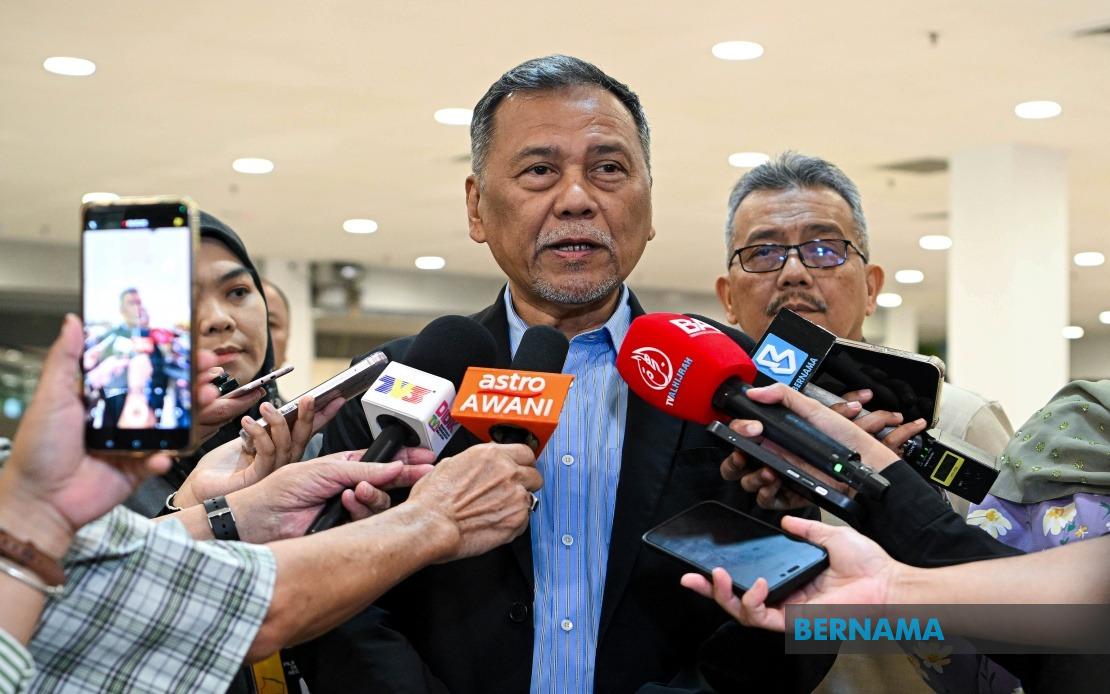
Negeri Sembilan's electoral machinery is in final preparation mode as the state moves toward its upcoming legislative assembly election, with nomination formalities set to commence tomorrow morning. Election Commission chairman Datuk Seri Ramlan Harun revealed during a Seremban inspection that 464 nomination forms have been distributed to potential candidates, yet only 70 have taken the decisive step of depositing their fees to formally secure their candidacy. This gap between initial interest and firm commitment underscores the familiar pattern seen in Malaysian elections, where serious contenders emerge during the final stretch before nomination deadlines.
The urgency of meeting the deposit deadline cannot be overstated for the election machinery. Ramlan stressed to assembled party representatives and candidate handlers that all financial commitments must be completed by the close of nomination proceedings tomorrow to avoid last-minute bottlenecks that could compromise the integrity of the process. The Election Commission's appeal for early payments reflects institutional experience from managing electoral timelines across the nation—delay in administrative confirmation cascades into complications for returning officers responsible for validating candidacy credentials and publishing final candidate lists. With 36 state constituencies requiring processing across eight nomination centres, the volume of transactions warrants disciplined compliance from aspirants.
The structural approach adopted for this election reveals lessons learned from recent state polls. Unlike Johor's recent election, which organised nomination centres by individual state constituency, Negeri Sembilan has consolidated operations into eight nomination hubs aligned with parliamentary constituency boundaries. This centralised model, according to Ramlan, balances operational efficiency with accessibility, grouping multiple state seats within geographic regions to streamline coordination while remaining convenient for candidates. The decision reflects pragmatic electoral administration—concentrating resources and officials at parliamentary-level hubs reduces duplication while maintaining reasonable travel distances for candidates across the state's dispersed constituencies.
Election Commission resource deployment demonstrates the scale of tomorrow's exercise. A total of 761 officers will be stationed across the eight nomination centres, responsible for processing candidate papers, verifying documentation, collecting deposits, and ensuring compliance with nomination regulations. The organisation of such personnel strength typically involves administrative staff handling paperwork, senior returning officers overseeing candidate validation, and security personnel managing crowd flow. The magnitude of deployment reflects not merely the number of constituencies but the anticipated volume of candidate filings and the need to process applications within the compressed nomination window of just one hour—from 9 am to 10 am.
Preparation for electoral mechanics has proceeded with thoroughness that bodes well for smooth execution. The Election Commission conducted full rehearsal sessions at all nomination centres throughout Negeri Sembilan this morning, simulating candidate arrival procedures, document verification processes, and deposit collection sequences. These practice runs serve multiple functions: they identify procedural bottlenecks, ensure officer familiarity with systems and protocols, and build staff confidence in managing potential complications. Seremban City Council's facilities, hosting six of the state's nomination centres, underwent particular scrutiny during preparations.
Maintaining civil conduct during nomination day ranks equally with administrative readiness in the Commission's priorities. Ramlan issued explicit reminders to all political parties and their supporters that provocative behaviour during nomination proceedings could undermine the electoral process and violate electoral law. The warning, seemingly routine, reflects genuine institutional concerns about maintaining decorum during high-emotion periods when competing camps gather at nomination centres. Historical incidents across Malaysian elections demonstrate that nomination day concentrations of rival supporters, combined with candidate ego and factional tensions, occasionally flare into confrontational situations requiring police intervention. The Commission's preventive messaging aims to establish clear behavioural expectations from the outset.
Security arrangements will accompany the nomination process, though specific details regarding police presence or contingency protocols remain undisclosed. Beyond the Election Commission's direct purview, state police undoubtedly maintain readiness to respond to any civil disorder, though nomination days typically proceed without serious incident in Malaysia. The combination of clear warnings from electoral authority, party leadership concerned with electoral credibility, and security preparedness generally proves sufficient to maintain calm.
The electorate participating in this contest encompasses 889,490 registered voters as of June 4, 2026, distributed across Negeri Sembilan's 36 state constituencies. The voter roll includes 867,151 ordinary voters casting ballots on polling day, supplemented by 16,884 military personnel and spouses and 5,455 police officers eligible for early voting on July 28. Early voting arrangements acknowledge the operational requirements of security force personnel, allowing them to participate without disrupting duty rosters. The total electorate, while significant, represents a manageable scale for a single state election when compared to national or larger state contests.
The timeline to polling day remains compact but manageable. With nominations tomorrow and candidate announcements following immediately after the one-hour nomination window closes, the state enters formal campaign mode. Early voting on July 28 accommodates security personnel, while the general electorate casts ballots on August 1. This compressed schedule—from nomination to election within sixteen days—concentrates campaign activity and maintains voter attention through the critical period between candidate announcement and polling. Negeri Sembilan voters will have limited time to assess competing candidates and party manifestos, placing premium value on pre-election name recognition and existing party identities.
The 36 state seats represent a significant political prize, with current parliamentary dynamics between Pakatan Harapan, Barisan Nasional, and Perikatan Nasional shaping expectations. In 2023's 15th Negeri Sembilan State Election, Pakatan Harapan secured 17 seats, Barisan Nasional captured 14, and Perikatan Nasional won five seats. These results established Pakatan Harapan's control of the state government. The approaching 16th election will test whether the current ruling coalition maintains its electoral advantage or whether Barisan Nasional's traditional base reasserts itself in Negeri Sembilan's competitive political terrain. Candidate quality, local representation, and party machinery effectiveness will ultimately determine outcomes, but tomorrow's nominations will reveal the competitive intensity these parties are willing to deploy.

