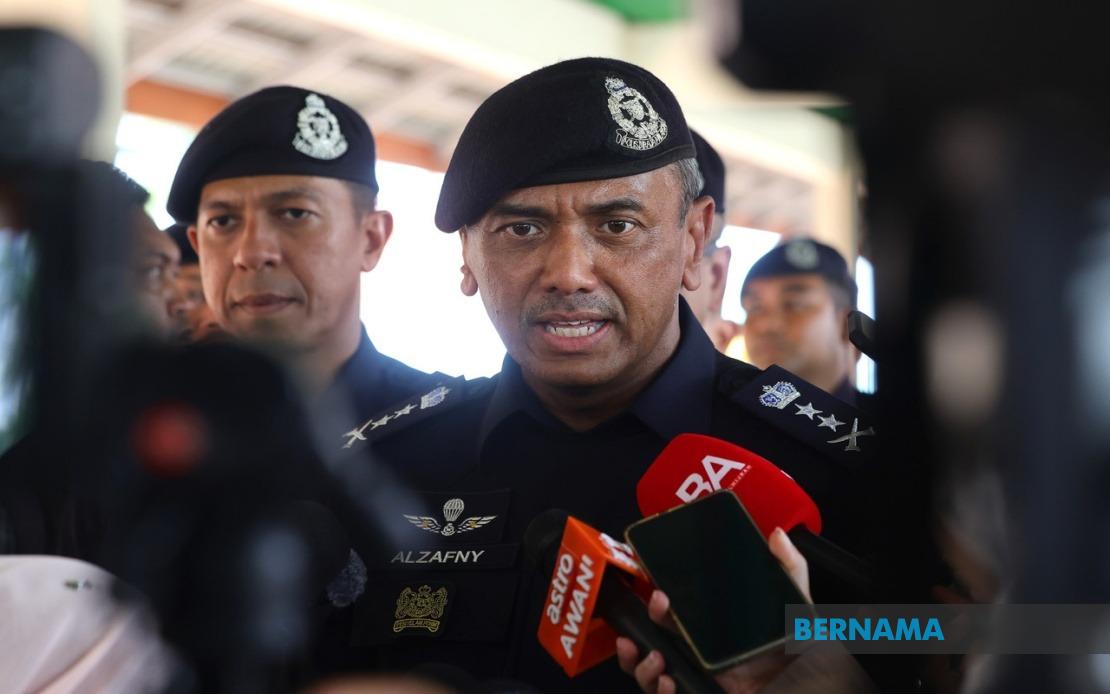
The nomination process for the 16th Negeri Sembilan state election proceeded without complications on July 18, as candidates formally registered their candidacy across eight polling centres throughout the state. According to Negeri Sembilan state police chief Datuk Alzafny Ahmad, the entire exercise maintained public order and security from morning through midday, with no disruptions or violations recorded during the critical registration phase.
Police attributed the orderly proceedings to the cooperative stance adopted by supporters representing all competing political parties. Datuk Alzafny noted that participants demonstrated compliance with law enforcement instructions and adhered to the protocols established for the nomination exercise. The controlled environment reflected careful advance planning and coordination between electoral authorities and security personnel tasked with overseeing the day's events across multiple locations simultaneously.
Attendance figures varied considerably among the eight nomination centres, reflecting regional differences in political mobilisation and party infrastructure. The Jempol centre attracted the highest concentration of supporters, drawing approximately 2,500 individuals from the various contesting parties. In contrast, the Kuala Pilah centre recorded the lowest turnout, with around 1,000 supporters present during the nomination registration period. This variation illustrates the differing levels of political engagement across Negeri Sembilan's diverse constituencies.
Maintaining security during the nomination process required substantial police resources. A total of 2,373 police officers and personnel were deployed strategically across all eight nomination centres to ensure security protection and manage traffic flow in surrounding areas. This significant deployment underscores the importance police attach to preventing disruptions during critical election administration phases, when rival political camps converge in concentrated numbers at specific locations.
Looking ahead to the campaign period, Datuk Alzafny issued guidance to candidates emphasising the importance of conducting themselves responsibly and avoiding divisive rhetoric. He specifically cautioned contesting parties against incorporating references to the 3Rs—religion, royalty, and race—into their campaign messaging, warning that such topics risk inflaming existing sensitivities and undermining social cohesion. The police chief stressed that campaign discourse should focus on articulating each party's policy strengths and developmental vision rather than employing provocative language designed to generate resentment.
The emphasis on circumscribing campaign content reflects broader concerns within Malaysia's electoral ecosystem about maintaining communal harmony during politically charged periods. By discouraging statements incorporating religious themes, references to constitutional monarchy provisions, or racially-charged commentary, authorities seek to contain the potential for heightened intercommunal tensions that could persist beyond the election itself. Datuk Alzafny encouraged all contesting parties to approach campaigning as an opportunity to differentiate themselves through substantive policy proposals rather than inflammatory rhetoric or character attacks.
Beyond content restrictions, police reminded candidates that campaign activities remain subject to various logistical and behavioural regulations throughout the electoral period. Specific emphasis was placed on traffic safety compliance, including mandatory helmet usage when candidates travel by motorcycle through residential areas and village settlements. These seemingly minor requirements represent attempts to project an image of discipline and rule-observance among candidates themselves, establishing the tone for broader campaign conduct standards.
To enforce compliance with campaign regulations and monitoring requirements, police and the Election Commission have jointly established dedicated oversight teams tasked with observing candidate activities throughout the electoral season. These teams will verify adherence to established rules and directives governing the campaign period. The collaborative framework between law enforcement and electoral administration reflects institutional coordination designed to preempt violations before they escalate into larger problems affecting public confidence in electoral integrity.
The Negeri Sembilan state election will culminate with polling on August 1, following an earlier early voting opportunity on July 28. This timeline provides a compressed campaign window between the July 18 nomination date and election day, compressing the period during which candidates must mobilise supporters and articulate their policy platforms. The abbreviated campaign schedule contrasts with earlier Malaysian election cycles and reflects evolving approaches to electoral administration efficiency.
For Malaysian voters monitoring this election, the Negeri Sembilan contest carries broader significance beyond state-level governance. As the first substantial electoral exercise following recent federal political realignments, outcomes in this state election may signal shifting voter preferences and coalition viability. The success of the nomination and anticipated campaign periods could establish precedents influencing how subsequent elections manage potential intercommunal tensions and maintain electoral administration standards. The police's proactive messaging about campaign conduct standards similarly reflects institutional recognition that electoral credibility depends on both administrative efficiency and public confidence in the fairness and propriety of candidate behaviour throughout the process.

