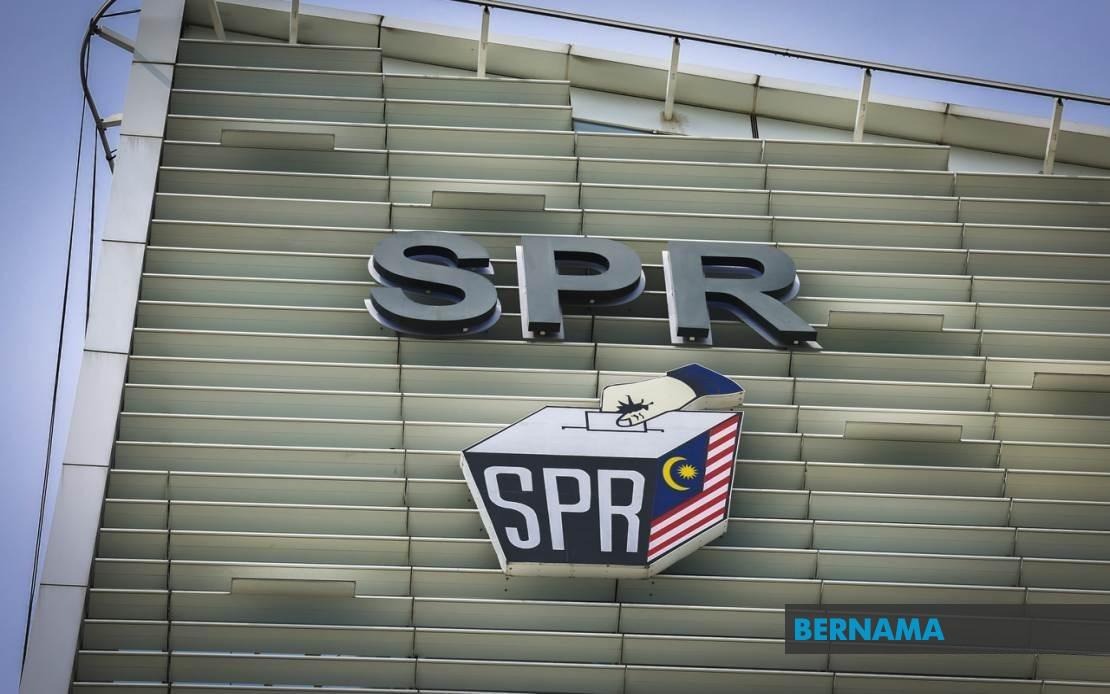
The race to control Negeri Sembilan's 36 legislative seats officially commences tomorrow with nomination day, triggering a 14-day campaign sprint culminating in polling on August 1. The Election Commission has structured the process around eight nomination centres distributed across the state, where prospective candidates will lodge their official papers during a tightly scheduled two-hour window from 9 am to 10 am. This procedural gateway determines which individuals formally secure eligibility to contest, with returning officers publishing the definitive roster of candidates immediately afterward.
Negeri Sembilan's electorate totals 889,490 registered voters, a figure encompassing 867,151 ordinary citizens, 16,884 military personnel and their families, and 5,455 police officers and their spouses. This voter base represents the pool from which the next state government will derive its mandate, assuming comparable turnout patterns to previous elections. Early voting has been scheduled for July 28, providing those unable to participate on polling day an alternative opportunity to exercise their franchise.
Pakatan Harapan, the incumbent state administration, will contest every available seat with a coalition composition spanning three parties. The Democratic Action Party fields 11 candidates, the People's Justice Party contributes 16, and Parti Amanah Negara rounds out the slate with nine contenders. This blanket approach signals PH's determination to defend its 2023 performance, when the coalition secured 17 of 36 seats, establishing its current legislative majority. The party's confidence in contesting all seats underscores its assessment that it retains sufficient organisational capacity and voter support across all constituencies to mount competitive campaigns.
Barisan Nasional enters the contest with substantially reduced aspirations, fielding only 25 candidates rather than challenging for all 36 seats. The United Malays National Organisation supplies 16 of these nominees, the Malaysian Chinese Association provides seven, and the Malaysian Indian Congress contributes two. This selective approach reflects BN's parliamentary mathematics following the 2023 outcome, when the coalition captured 14 seats. The decision to contest 25 rather than all 36 constituencies suggests a calibrated strategy focused on seats where BN calculations indicate competitive viability.
Perikatan Nasional has structured its campaign around 11 seats, utilising a multi-party framework that demonstrates the coalition's expanding membership. The Pan-Malaysian Islamic Party fields five candidates, while its newest component Parti Wawasan Negara—making its electoral debut in this contest—contributes four nominees. Gerakan and the Malaysian Indian People's Party each provide a single candidate. This composition marks a strategic shift from PN's 2023 performance, when it secured five seats, though the coalition's expansion to 11 contested seats reflects either growing confidence or strategic repositioning.
The political landscape gains additional complexity through Parti Pribumi Bersatu Malaysia's decision to contest independently rather than as part of the formal PN coalition structure. Bersatu intends to deploy its own party symbol on ballot papers, a separation that suggests underlying tensions within the PN framework or divergent electoral calculations about voter appeal. The party planned to announce its candidate list separately, underscoring its autonomous status despite maintaining broader political alignments with PN parties in other contexts.
Beyond the three major coalitions, several smaller parties will contest the election, diversifying voter choices across various political philosophies. Parti Orang Asli Malaysia fields one candidate, as does Parti Sosialis Malaysia, while Parti Barisan Jemaah Islamiah Se-Malaysia has confirmed seven nominees. Three other registered political entities—the Malaysian United Democratic Alliance, Parti Pejuang Tanah Air, and Parti Bersama Malaysia—have announced they will not participate in this particular state election. This withdrawal by certain political formations potentially concentrates opposition votes around larger competitors rather than fragmenting support among numerous small contenders.
The Election Commission has provided advance guidance to prospective candidates, encouraging them to verify nomination paperwork completeness before submission and to settle election deposits in advance. These administrative recommendations aim to streamline the nomination process and reduce complications during the formal submission window. Such procedural efficiency becomes particularly important when managing candidate registration across multiple nomination centres operating simultaneously.
The timing of this election carries distinct implications for Malaysian politics beyond Negeri Sembilan's borders. The state contest provides an interim electoral barometer between federal-level political activity and the next general election cycle, offering insights into voter sentiment and coalition dynamics. Negeri Sembilan's electorate, relatively small compared to other states, nonetheless represents a meaningful test of PH's governance performance since the 2023 state election and the sustainability of BN's revival efforts. The contest will also reveal whether PN's expansion strategy and Bersatu's independent positioning generate electoral dividends or dissipate votes across competing similar-minded candidates.
Weather forecasts from the Malaysian Meteorological Department predict generally clement conditions across most state areas on Saturday morning, though Port Dickson and Seremban face rain prospects. Afternoon thunderstorms are expected throughout the state, potentially affecting nomination centre operations or voter attendance, though the 9 am to 10 am submission window should escape the worst precipitation. The state assembly's dissolution on June 5, following the Yang Dipertuan Besar's consent, technically opened the election process, but tomorrow's nomination day marks the public commencement of active electoral competition.
As campaigns formally commence, the contest will test which coalition can most effectively mobilise supporters and articulate compelling visions for Negeri Sembilan's governance. For Malaysian political observers, this election provides an early indicator of whether PH's 2023 state-level victories are consolidating into durable political positions or whether BN's resurgence and PN's expanded footprint will prove consequential in reversing the 2023 trajectory. The 14-day campaign period will intensify these dynamics considerably.

