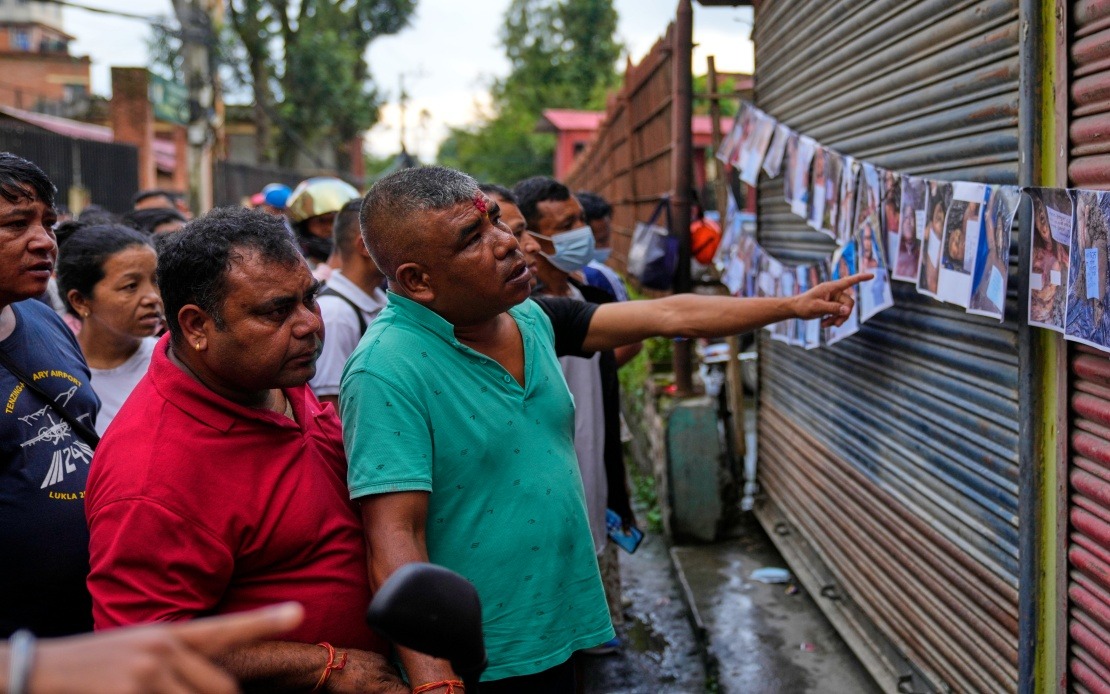
The search for survivors and missing persons in Nepal has entered its third consecutive day following a catastrophic natural disaster that has reshaped the landscape of the country's northern border region. The death toll from the flooding, which swept through multiple river systems, has climbed above 500, with rescue teams and civilian volunteers working against time and deteriorating conditions to locate those still unaccounted for. Among the affected population are dozens of Malaysian nationals, with authorities in Kuala Lumpur undertaking extensive efforts to trace the whereabouts of citizens caught in the disaster zone.
The scale of Malaysia's missing persons crisis has become clearer as Nepalese authorities compiled comprehensive lists of foreign nationals unaccounted for. Of 57 Malaysians initially reported as unreachable, two had been successfully located by Friday afternoon, though this progress offers limited reassurance given that 55 others remain out of contact. Datuk Syed Mohamad Hasrin Tengku Hussin, Deputy Secretary-General at Malaysia's Foreign Ministry responsible for bilateral affairs, emphasised that these figures remain preliminary and subject to ongoing verification through coordination with Nepalese authorities and relevant agencies on the ground. The verification process has proven complex given the scale of the disaster and the challenges faced by local authorities in communicating with affected areas.
Nepal's tourism department released an official roster containing the names of 537 foreign nationals from more than 30 countries reported missing in the immediate aftermath of the flooding. The Department of Tourism, operating under Nepal's Ministry of Culture, Tourism, and Civil Aviation, compiled the list with demographic details and information about the travel agencies organising trips for the affected visitors. Among those enumerated were 51 Malaysian nationals, representing one of the larger contingents of missing foreigners. The systematic documentation reflects attempts by Nepalese authorities to bring order to a chaotic situation and facilitate international coordination in accounting for citizens of multiple nations.
The natural disaster originated from a dramatic failure in the Himalayan region when a glacial collapse triggered the sudden release of enormous volumes of water. This torrent rushed down the Bhote Koshi and Trishuli river systems, overwhelming communities situated along their courses. The speed and power of the water overwhelmed infrastructure designed for normal seasonal flows, demolishing roads, bridges, and buildings while sweeping away vehicles, livestock, and people. Whole sections of communities were severed from surrounding areas, with some districts cut off entirely from external communication and supply routes. The damage extended far beyond the immediate point of origin, with floodwaters carrying debris and destruction downstream for considerable distances.
The humanitarian challenge has intensified as authorities struggle with the grim task of managing fatalities and identifying victims. Bodies and human remains are being recovered in districts far downstream from Rasuwa, where they were carried by the powerful current. Morgue facilities across affected areas are operating at or beyond capacity, creating severe logistical obstacles for authorities attempting to process identifications and provide families with closure. The sheer number of deceased has overwhelmed the infrastructure typically available for such purposes, with storage facilities inadequate for the scale of loss. This bottleneck means that many families remain uncertain about the fate of their loved ones, unable to access information about whether their relatives are among those recovered or still missing.
Rescue operations have managed to extract 121 foreign nationals from the flooded region, though notably none of these rescued individuals have been confirmed as Malaysian nationals. This absence from the rescue lists raises concerns among Malaysian authorities and families awaiting news of missing loved ones. The rescue efforts have involved coordination among international partners and local emergency services, yet accessibility to some areas remains severely compromised. Rescue teams have faced obstacles including damaged infrastructure, destroyed bridges, and challenging terrain that hampers their ability to reach remote communities where survivors may still be sheltering or where additional victims may be located.
Malaysia's government has mobilised diplomatic and humanitarian resources in response to the crisis. The Foreign Ministry continues active efforts to establish the status and location of Malaysians in affected areas, working through official channels with the Nepalese government and consulting with travel agencies that organised tours for the missing nationals. Prime Minister Datuk Seri Anwar Ibrahim indicated that Malaysian assistance could take multiple forms, ranging from direct financial support to the deployment of specialist personnel. The National Security Council maintains close communication with Nepalese authorities to determine what form of Malaysian assistance would be most effective and welcome given Nepal's immediate needs and capacity to coordinate international aid.
One significant potential contribution involves the Malaysian Special Search and Rescue Team, a specialist unit trained in complex rescue operations in challenging environments. Given the mountainous terrain, damaged infrastructure, and ongoing natural hazards in the Himalayan flood zone, such specialised capacity could provide valuable assistance to Nepalese rescue efforts. The deployment decision awaits confirmation of Nepalese government requirements and approval, reflecting diplomatic protocols surrounding foreign assistance in the aftermath of natural disasters. The Malaysian government's readiness to mobilise such resources underscores the gravity with which authorities regard the situation and the commitment to supporting both their own nationals and the broader humanitarian response.
For Malaysia and other Southeast Asian nations, the Nepal disaster highlights the ongoing vulnerability of tourists and expatriates to natural hazards in geographically challenging regions. The Himalayan region, while renowned for its natural beauty and trekking opportunities, presents genuine environmental risks including glacial instability, sudden weather changes, and geological hazards that can materialise with minimal warning. The incident has prompted reflection among travel agencies and tourist authorities across Southeast Asia regarding risk assessment and preparedness protocols. Tour operators working in Nepal and similar high-altitude regions face pressure to review safety procedures, communication systems, and emergency response planning to better protect clients from unexpected natural disasters.
The broader implications extend beyond the immediate tragedy affecting Malaysian nationals. The event demonstrates the interdependence of modern tourism and the reality that disasters in distant regions can rapidly touch the lives of Southeast Asians. Communications infrastructure and tourist systems connecting South Asia with Southeast Asia mean that developments in Nepal directly affect families and businesses across Malaysia and neighbouring countries. The coordination challenges evident in the current response, including verification delays and communication difficulties, underscore the importance of robust consular systems and pre-established protocols for managing crisis situations affecting citizens abroad. As rescue and recovery operations continue, Malaysian authorities will accumulate experience and insights applicable to future emergency responses in remote or disaster-affected regions.

