Nepal's emergency response teams have successfully extracted 121 foreign nationals from flood-affected areas following a catastrophic glacial collapse in the Himalayan region, even as authorities grapple with a rapidly rising death toll and hundreds of unaccounted persons. The international contingent rescued by Friday evening comprised citizens from multiple nations, highlighting the scale of the disaster and its impact on the region's tourism sector during what would normally be a peak travel season.
According to data released by Nepal's tourism authorities, the rescued foreigners included 85 Indian nationals, 16 Chinese citizens, and nine South Koreans. Additionally, rescue teams brought to safety two Americans, two Russians, and two Italians, alongside individual nationals from Belgium, Bulgaria, Portugal, Spain, and Switzerland. The diversity of nationalities underscores how the disaster struck during a period of significant tourist activity across Nepal's major attractions and trekking routes.
The catastrophe erupted when both the Bhote Koshi and Trishuli rivers swelled dramatically following Wednesday's glacial collapse high in the Himalayan peaks. This geological event unleashed torrents of water, debris, and mud that overwhelmed downstream communities with little warning. The death toll from this single incident has already approached 550, making it one of the deadliest natural disasters in recent South Asian history. The sheer magnitude of casualties reflects the ferocity of the flood and the remoteness of many affected areas, where warning systems and evacuation infrastructure remain limited.
The geographical scope of devastation extends beyond Nepal's borders into China, particularly affecting the Xizang region where many travellers were engaged in religious pilgrimages. Approximately 400 Indian nationals were reported safe in the Chinese region, though Indian authorities remain concerned about around 100 people of Indian origin holding passports from other countries whose whereabouts remained uncertain. Additionally, Indian Ministry of External Affairs spokesman Randhir Jaiswal indicated during a media briefing that 320 Indians had lost contact with their families, though subsequent rescue operations have gradually improved this situation.
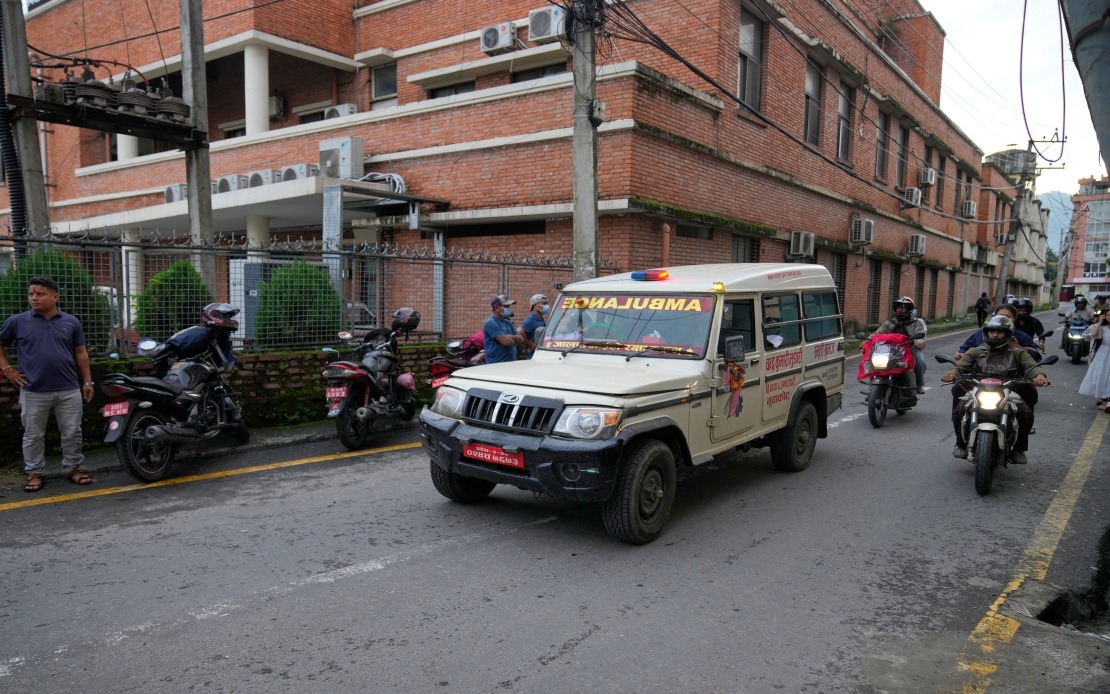
Nepalese hospitals and morgues have become overwhelmed by the volume of casualties and bodies being recovered. Facilities in Chitwan and Pokhara districts, which would normally service the affected region, lack adequate capacity to accommodate the massive influx of deceased persons. Nepalese authorities have been forced to establish alternative storage facilities and coordinate with international partners on victim identification protocols. This logistical challenge has compounded the humanitarian crisis, as families across the region struggle to locate and identify their missing relatives.
Search and rescue operations continue across multiple downstream locations along both river systems, with teams systematically combing through debris fields and accessible areas. The terrain's challenging topography means that many zones remain inaccessible to conventional rescue vehicles, forcing teams to rely on helicopters and manual search methods. Some survivors are being discovered days after the initial flooding, though the window for finding people alive continues to narrow as time passes.
Prime Minister Balendra Shah convened an emergency Cabinet meeting on Friday to assess the full extent of the disaster and coordinate response mechanisms across government agencies. In a demonstration of national solidarity, Shah and his Cabinet colleagues pledged to contribute one month's salary to the Prime Minister's Natural Disaster Relief Fund, directing these resources toward immediate flood relief operations. This gesture symbolised the government's commitment to supporting affected communities, though the scale of the disaster suggested that internal resources alone would prove insufficient.
Regional partners have mobilised rapid humanitarian assistance. India dispatched two shipments of relief materials totalling 47.5 tonnes, with an additional aircraft scheduled to deliver supplies on Friday. Among those confirmed safe were 63 Indian workers employed at the Trishuli hydropower project, and 21 additional Indian nationals who had been successfully transported back across the border. Pakistan's Prime Minister Shehbaz Sharif telephoned his Nepalese counterpart to express solidarity and communicate that Pakistan would be sending emergency relief supplies, underscoring the broader South Asian commitment to supporting Nepal during this crisis.
The incident raises critical questions about disaster preparedness in mountainous regions where glacial instability poses increasing risks. Climate scientists have warned that accelerating glacier retreat across the Himalayas may increase the frequency of such catastrophic events. Nepal, already vulnerable to multiple natural hazards including earthquakes and monsoon floods, now faces emerging threats from rapid glacial change. For Malaysian observers, this disaster serves as a reminder of similar vulnerabilities facing mountainous and low-lying regions across Southeast Asia, particularly those communities dependent on glacier-fed river systems.
The international response to Nepal's crisis reflects both the interconnectedness of modern travel patterns and the imperative for regional cooperation on disaster management. Many of the rescued foreigners were tourists or workers who had no specific connection to local communities yet became victims of a regional catastrophe. This underscores how natural disasters transcend borders and national boundaries, affecting visitors and local populations indiscriminately. As recovery operations continue, Nepal will confront the dual challenge of managing immediate humanitarian needs while beginning the lengthy process of identifying victims, supporting bereaved families, and planning long-term reconstruction.

