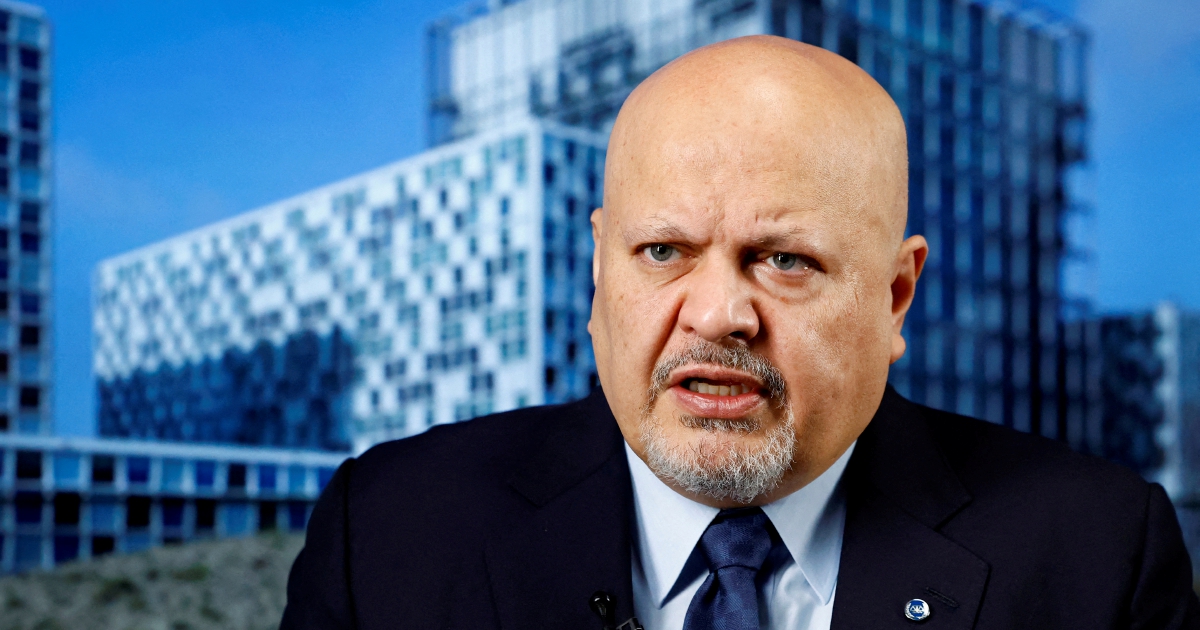
Israeli Prime Minister Benjamin Netanyahu has expressed satisfaction at the removal of International Criminal Court prosecutor Karim Khan, characterising him as a "con job" in a statement issued on Sunday. This reaction comes shortly after Khan's departure from his position following mounting allegations of sexual misconduct that ultimately led to his forced resignation.
The timing of Netanyahu's comments underscores the high-stakes diplomatic tensions between Israel and the international judicial system. Khan had issued an arrest warrant for Netanyahu in May, accusing him of war crimes and crimes against humanity related to the conflict in Gaza. This warrant represented an unprecedented moment for an Israeli leader on the global stage, intensifying already fraught relations between the Israeli government and the ICC, an institution that Israel has never recognised.
Khan's tenure as chief prosecutor had proven increasingly controversial. Beyond the sexual misconduct allegations that ultimately sealed his fate, his leadership style had attracted criticism from various quarters, including governments and civil society organisations. The allegations against him reportedly involved inappropriate behaviour and raised serious questions about institutional accountability within the ICC itself. His resignation represented a significant institutional failure, exposing vulnerabilities in the court's internal oversight mechanisms that observers have long highlighted as problematic.
For Netanyahu and the Israeli government, Khan's departure provided a symbolic victory in what has been an intense battle over international legal jurisdiction. The Prime Minister's characterisation of the prosecutor as fraudulent reflects Israel's broader position that the ICC has overstepped its mandate and pursued politically motivated investigations. However, Khan's removal does not automatically invalidate the arrest warrant he issued, leaving the legal situation in a state of uncertainty that could embolden future prosecutorial action under new leadership.
The significance of this development extends beyond the bilateral relationship between Israel and the ICC. It raises critical questions about the court's legitimacy and effectiveness as an institution designed to pursue accountability for grave crimes. The misconduct allegations against Khan, combined with institutional mismanagement, have damaged the court's credibility precisely when international law and global governance institutions face mounting scepticism from multiple quarters.
From a Southeast Asian perspective, this situation illustrates the ongoing challenges facing international justice mechanisms. Countries in the region, including Malaysia, have expressed concerns about the ICC's selective application of justice and its perceived bias toward powerful nations. The Khan episode provides fresh evidence that even at the highest institutional levels, accountability remains inconsistently applied, potentially undermining the court's moral authority when addressing conflicts in other regions.
The removal of Khan also creates an opportunity for institutional reset. His successor will inherit both the Gaza investigation and wider questions about prosecutorial independence and institutional integrity. How the new prosecutor navigates these challenges—particularly regarding the Netanyahu arrest warrant and other sensitive investigations—will determine whether the ICC can recover credibility or whether it faces further marginalisation by major global actors.
Israel's strategic response to Khan's departure suggests the government believes this change may offer opportunities to challenge or delay international proceedings. However, the underlying investigation and warrant mechanism remain, meaning Israel cannot assume the legal threat has disappeared merely because the specific prosecutor has departed. The institutional structures that enabled Khan's investigation continue to exist and could be activated by his replacement.
The broader context involves ongoing tensions between national sovereignty and international accountability frameworks. Israel's refusal to recognise ICC jurisdiction and its government's public celebration of Khan's removal reflect a calculated strategy of delegitimising institutions perceived as hostile to Israeli interests. Yet this approach also carries risks, potentially further isolating Israel from international legal norms at a moment when global opinion regarding the Gaza conflict remains deeply divided and scrutinised.
For Malaysia and other developing nations that have invested in the ICC as a mechanism for pursuing justice against powerful actors, Khan's removal presents both cautionary lessons and challenges. It demonstrates that international institutions remain vulnerable to the influence of geopolitical forces and internal misconduct, requiring constant vigilance and reform efforts to maintain legitimacy. The incident also highlights the need for stronger internal governance structures and accountability mechanisms within global institutions.
Moving forward, the ICC faces a critical juncture. New leadership must rebuild institutional credibility while maintaining prosecutorial independence and upholding the court's mandate. The Gaza investigations and related matters cannot be allowed to become casualties of institutional dysfunction. For countries seeking reliable mechanisms for addressing grave crimes and atrocities, the Khan episode serves as a reminder that international justice remains fragile and heavily influenced by political considerations that transcend legal frameworks.

