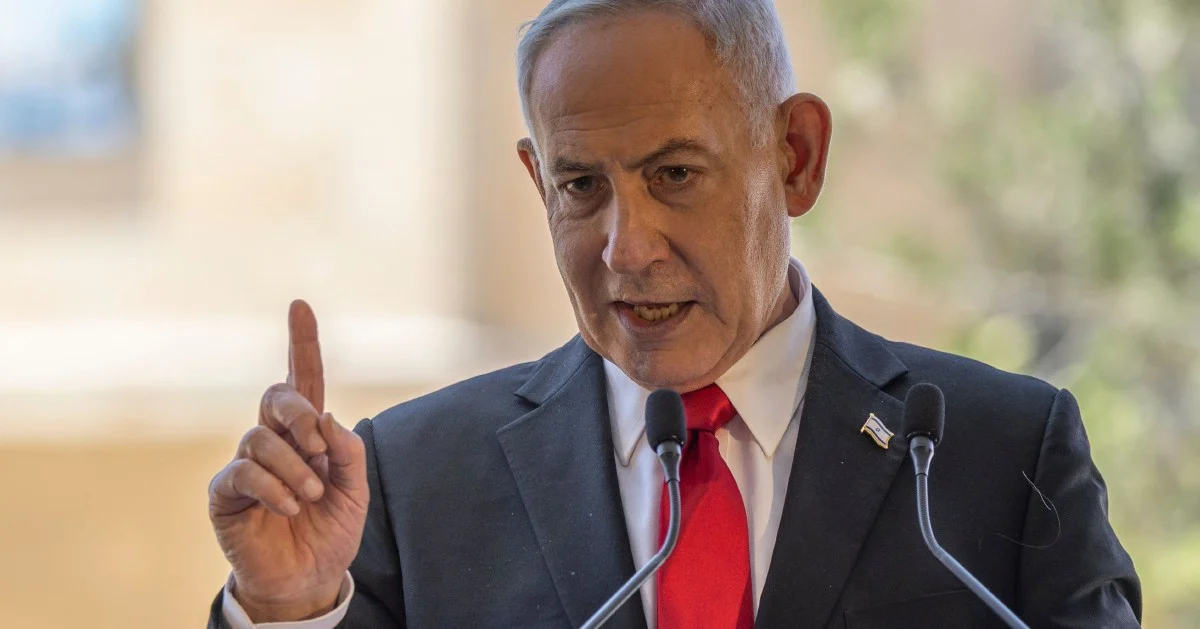
Prime Minister Benjamin Netanyahu's government is engaging in a final legislative push to enact a series of disputed measures before the Israeli parliament formally dissolves, a move that sets the stage for national elections scheduled four months hence. The accelerated tempo of legislative activity reflects a strategic calculation by the ruling coalition to lock in policy changes while they retain control of the Knesset, before facing an electoral verdict that could reshape the political landscape.
The legislative agenda under review encompasses contentious issues that have divided Israeli society and drawn sustained criticism from opposition parties and civil society groups. Rather than allowing these matters to languish or be reconsidered by a future parliament, Netanyahu's administration is employing the window before elections to finalize their legislative objectives. This approach highlights the high stakes involved in Israeli parliamentary politics, where timing and procedural momentum can prove decisive in whether proposed laws reach the statute books.
Opposition factions have responded with vigorous resistance to what they characterise as an attempt to force through ideologically driven or divisive legislation without adequate public deliberation. The compressed timeline compounds their concerns, as it limits opportunities for parliamentary debate and public scrutiny. Critics argue that governing coalitions should exercise restraint during pre-election periods, allowing incoming administrations room to shape policy rather than imposing irreversible legal frameworks that bind successor governments.
The political dynamics surrounding this legislative sprint underscore underlying tensions within Israeli democracy regarding the balance between executive power and parliamentary oversight. When a coalition commands a working majority and faces an imminent dissolution, the incentive structure shifts markedly toward rapid legislative action. The opposition, by contrast, lacks the parliamentary votes to obstruct most measures and must rely on public pressure and legal challenges to block provisions they deem harmful.
For regional observers and international commentators, the episode provides insight into how Israeli political actors operate under electoral pressure. The willingness to prioritize legislative accomplishments despite opposition outcry suggests that Netanyahu's government calculates electoral advantage from finalizing these policies, even if the immediate aftermath involves controversy. This calculation reveals assumptions about voter preferences and political messaging that the government believes will resonate during the campaign period.
The timing also reflects broader patterns in Israeli politics, where coalition governments frequently attempt to consolidate achievements before elections force a reassessment of power-sharing arrangements. The current coalition's composition may change substantially depending on electoral outcomes, making the present moment particularly valuable for securing legislative wins. Once parliament dissolves and campaigns commence, the focus shifts to electoral competition rather than legislative governance.
Civil society organizations and human rights advocates have flagged concerns that the abbreviated legislative process insufficient time for proper vetting of consequences or alternative approaches. When significant bills move through parliament rapidly, opportunities for amendment and refinement diminish accordingly. The affected communities often discover impacts only after laws take effect, by which point formal legal change becomes more difficult to reverse.
For Malaysian observers, the Israeli situation illustrates how parliamentary procedures and electoral cycles intersect globally. Many democracies face similar pressures when governments race to legislate before elections, though the specific legal and constitutional frameworks differ across nations. The tension between legitimate legislative objectives and concerns about process fairness spans different political systems and reveals universal challenges in democratic governance.
The opposition's capacity to challenge these laws through Israeli courts may provide some recourse, particularly if bills are claimed to violate constitutional protections or procedural requirements. Israel's Supreme Court has historically played an active role in reviewing government actions, though the boundary between legitimate judicial review and interference in legislative matters remains contested within Israeli political discourse. Legal challenges could potentially delay or modify implementation even if initial passage succeeds.
International observers have noted that the legislative push occurs amid broader regional tensions and domestic political polarization within Israel. The government's eagerness to finalize its agenda before elections suggests leadership confidence in prevailing at the ballot box, or alternatively, uncertainty about prospects and determination to cement achievements before potential electoral reversal. This reading reflects how domestic political calculations inform legislative strategy during pre-election periods.
The implications for Israeli governance extend beyond the immediate legislative cycle. If this approach succeeds in passing controversial measures with minimal delay, it establishes precedent for future governments to employ similar tactics. Conversely, if robust public opposition or legal challenges prove successful in blocking measures, opposition parties may cite these outcomes as validation of their resistance during the present legislative session.
The coming weeks will demonstrate whether the coalition possesses sufficient parliamentary discipline and voting power to enact its full legislative agenda. The margin of victory on individual bills will indicate the strength of internal coalition unity and whether defections occur among government-aligned lawmakers. These parliamentary votes will thus carry significance beyond the immediate policy outcomes, suggesting something about electoral sentiment and political realignment.

