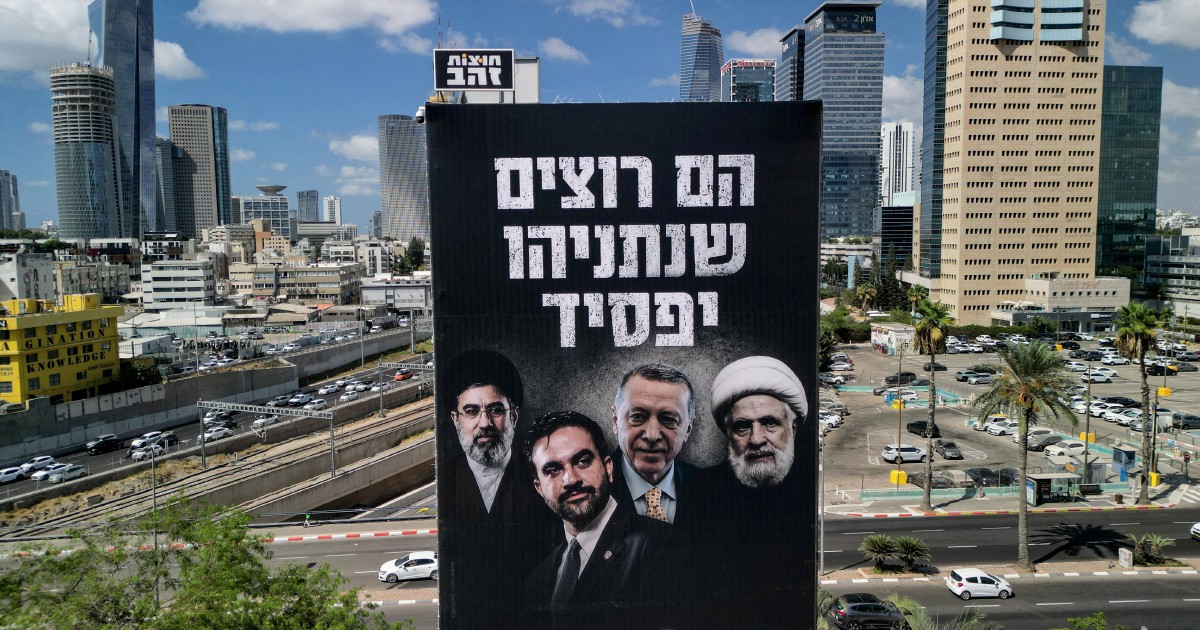
Prime Minister Benjamin Netanyahu's Likud party took a significant step toward the October 27 general election on Monday when members voted to nominate their slate of candidates, a process that underscored the party's increasingly precarious political position heading into what is shaping up as one of Israel's most competitive electoral contests in recent years.
The candidate selection exercise, conducted among Likud's membership base, carries deeper implications than routine internal party mechanics. The process itself signals internal dynamics within Netanyahu's coalition that have shifted markedly since he consolidated power. Where once Likud could rely on electoral dominance, the party now confronts a fragmented political landscape in which its traditional support base faces serious competition from multiple quarters across the political spectrum.
Israel's political environment has undergone substantial transformation in recent years, marked by recurring cycles of elections and coalition building that have weakened traditional party structures. The right-wing bloc that Netanyahu has long anchored now faces pressure not only from the centre-left but also from emerging political formations challenging Likud's hold on conservative voters. This fragmentation means that even a party led by Israel's most durable political figure cannot guarantee the commanding electoral performance it might have achieved in earlier decades.
The timing of the candidate selection carries particular weight given the current state of Netanyahu's government and broader national circumstances. Israel faces multifaceted challenges that have animated public debate and shaped voter sentiment, creating an environment where incumbency provides limited automatic advantage. Election cycles in democracies typically reward governing parties with substantial benefits, yet the Israeli context demonstrates how external pressures and internal political divisions can erode such advantages quickly.
For Malaysian and regional observers, the Israeli electoral process illustrates broader patterns affecting established democracies worldwide. Long-governing parties frequently encounter difficulty maintaining electoral coalitions when faced with economic pressures, security challenges, or internal party fragmentation. These dynamics appear regardless of geography, suggesting universal factors at work in contemporary democratic politics that transcend specific national contexts.
Likud's internal selection process determines not merely individual candidates but signals the party's strategic positioning for the campaign ahead. The choices made by party members regarding which figures to elevate carry implications for how Likud will market itself to voters and which constituencies it prioritizes. Candidate selection thus functions as both practical necessity and political statement about party identity and electoral strategy.
The right-wing faction's electoral challenges extend beyond personality-driven politics surrounding Netanyahu himself. Structural changes in Israel's political economy, demographic shifts within the Jewish electorate, and evolving attitudes toward governance and security have all contributed to the landscape within which Likud now operates. These underlying forces suggest that tight competition in October reflects not temporary circumstances but possibly durable realignment in Israeli politics.
Regional implications of Israeli electoral dynamics warrant consideration for Southeast Asian stakeholders. Israel's political stability and governance effectiveness influence Middle Eastern security calculations that reverberate globally. While regional elections might seem distant from Southeast Asian concerns, the interconnected nature of modern international relations means that significant political transitions in any major nation eventually affect broader geopolitical equilibria.
The campaign leading to October 27 will likely emphasize governance performance, security credentials, and economic management—terrain where incumbency provides mixed benefits. Netanyahu's long tenure gives him platform and credibility but also invites scrutiny of record and accountability for outcomes. Challengers conversely benefit from ability to offer alternative vision without defensive record to maintain, a dynamic that typically strengthens opposition in competitive elections.
Likud's candidate selection concludes a crucial phase of internal party organization and initiates intensified preparation for public campaigning. The next months will test whether the party can unite around its selected representatives and mobilize supporters effectively, or whether internal divisions and external pressures generate momentum that favours competitors. How the right-wing bloc consolidates its message and coordinates among its various component parties will significantly influence electoral outcomes.
The October election will ultimately determine not only Israel's governmental composition but also policy direction on matters ranging from Palestinian relations to domestic economic priorities. For regional observers tracking Middle Eastern developments, the Israeli election deserves attention as potential inflection point with consequences extending well beyond Israel's borders, particularly given the interconnected nature of regional security architecture and international diplomatic engagement in the Middle East.

