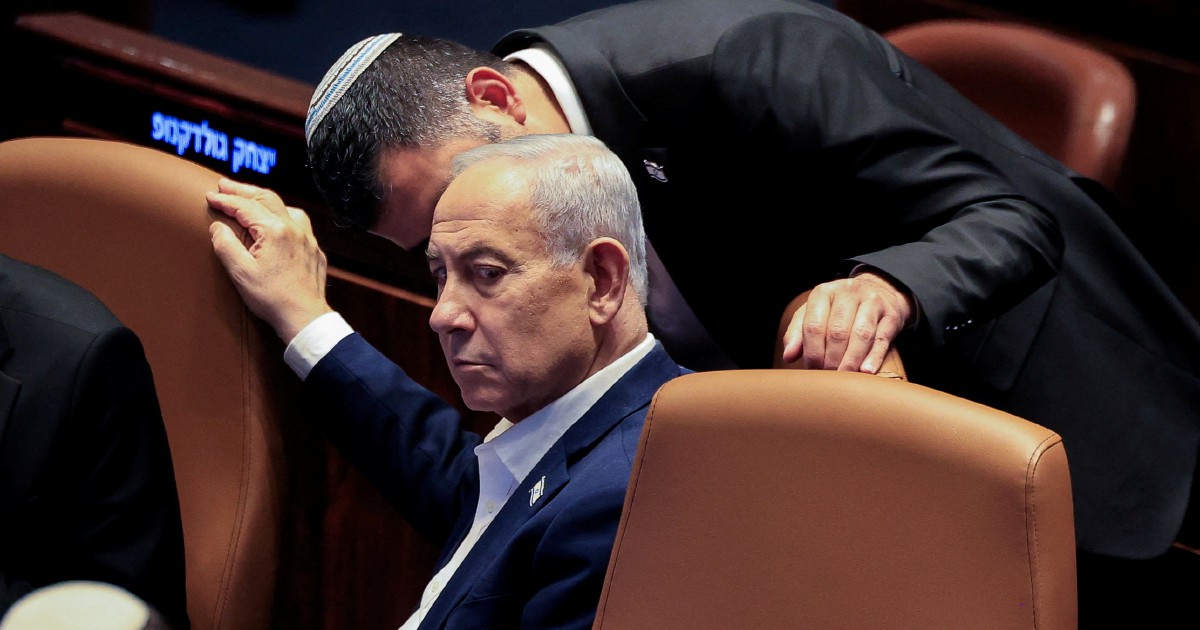
Prime Minister Benjamin Netanyahu's office has forcefully rebuked New York Mayor Zohran Mamdani following remarks in which the mayor suggested he was deliberating over the prospect of apprehending the Israeli leader ahead of an upcoming United Nations summit. The confrontation reflects deepening tensions surrounding Netanyahu's international standing and the fraught diplomatic environment surrounding Israeli-Palestinian issues at the global level.
The exchange emerged as Netanyahu prepares to participate in UN proceedings, where he is expected to address the international community. Mamdani's comments, indicating that he was considering action against the Israeli prime minister, have triggered a stern response from Netanyahu's office, which characterised the remarks as inappropriate and potentially troublesome for diplomatic relations.
The incident underscores the polarised political landscape in the United States regarding Middle Eastern affairs, particularly the Israeli-Palestinian conflict. New York, as the home of UN headquarters, has long been a focal point for international disputes and a stage where leaders from around the world encounter heightened scrutiny from local and national officials. The mayor's remarks suggest an unusual and provocative intervention into matters typically handled through diplomatic channels rather than municipal jurisdiction.
Nethanyahu's office framed the comments as unacceptable, asserting that such statements undermine the normal functioning of international relations and the immunity historically accorded to heads of state visiting the United Nations. The principle of diplomatic immunity has been a cornerstone of international law, protecting leaders from legal harassment while engaged in official duties and international diplomacy. Any suggestion of circumventing this principle generates significant diplomatic friction and raises questions about the stability of international protocols.
For Malaysian and Southeast Asian observers, this incident illuminates the broader challenges facing the international order when domestic political pressures in powerful nations intersect with global governance. Malaysia has historically maintained clear positions on Palestinian rights and has been vocal in international forums regarding the Israeli-Palestinian conflict. The controversy demonstrates how individual political actors in influential countries can complicate diplomatic processes that require sustained engagement and mutual respect.
The timing of Mamdani's remarks, emerging shortly before Netanyahu's scheduled UN appearance, suggests a calculated political intervention rather than casual commentary. Such statements carry symbolic weight beyond their immediate legal implications, signalling strong political opposition within one of America's major cities. For a sitting mayor of New York to publicly entertain the notion of arresting a visiting head of government represents a notable departure from conventional diplomatic restraint and municipal responsibility.
The implications extend beyond the immediate bilateral tension between Israel and New York. Such rhetoric can influence perceptions of American governance and the extent to which municipal officials feel empowered to act on their political convictions regarding international affairs. This raises questions about the coordination between federal foreign policy objectives and local political agendas, issues that resonate throughout the international community as nations assess the reliability and coherence of American diplomatic conduct.
Netanyahu's government has faced mounting international criticism over its policies, particularly regarding Palestinian territories. The prime minister himself has encountered legal challenges in various jurisdictions, making questions of immunity and extrajurisdictional authority increasingly contentious. The office's strong rejection of Mamdani's remarks signals that Netanyahu intends to proceed with his UN participation without compromise or interference, reinforcing the principle that international forums must remain insulated from local political theatrics.
From a Southeast Asian perspective, the incident highlights the importance of protecting international institutions from the erosion of diplomatic norms. Nations in this region, many of which have complex relationships with major powers and rely on international law to protect their sovereignty, have vested interests in maintaining robust systems of diplomatic immunity and predictable international conduct. When major democratic cities entertain the prospect of circumventing established legal frameworks, it sends troubling signals about the stability of the international system that smaller and mid-sized nations depend upon for their security and interests.
The controversy also reflects the intense domestic political divisions within the United States concerning Middle Eastern policy. Palestinian advocacy groups and their supporters have mobilised significantly in American cities, particularly New York, which has substantial Arab-American and Muslim-American constituencies. Mamdani's remarks, whether intended seriously or as political signalling, tap into these significant grassroots movements that have become increasingly assertive in shaping urban politics.
Looking forward, the exchange suggests that Netanyahu's UN visit will likely be accompanied by significant political protests and diplomatic tension. The mayor's office will face pressure regarding what specific actions, if any, they intend to pursue, while Netanyahu's delegation will remain vigilant about security and the protection of the prime minister's movement within New York. This dynamic exemplifies how international gatherings in the United States increasingly become focal points for domestic political expression rather than purely diplomatic occasions.
For Malaysia and other nations watching how international protocols hold up under political pressure, the incident provides cautionary lessons about the fragility of diplomatic norms when major powers face internal divisions over foreign policy. The coming days will likely reveal whether Mamdani's remarks were serious overtures or rhetorical positioning, and whether other American officials will distance themselves from such provocative commentary or allow it to influence broader approaches to Israeli leaders visiting the United States.

