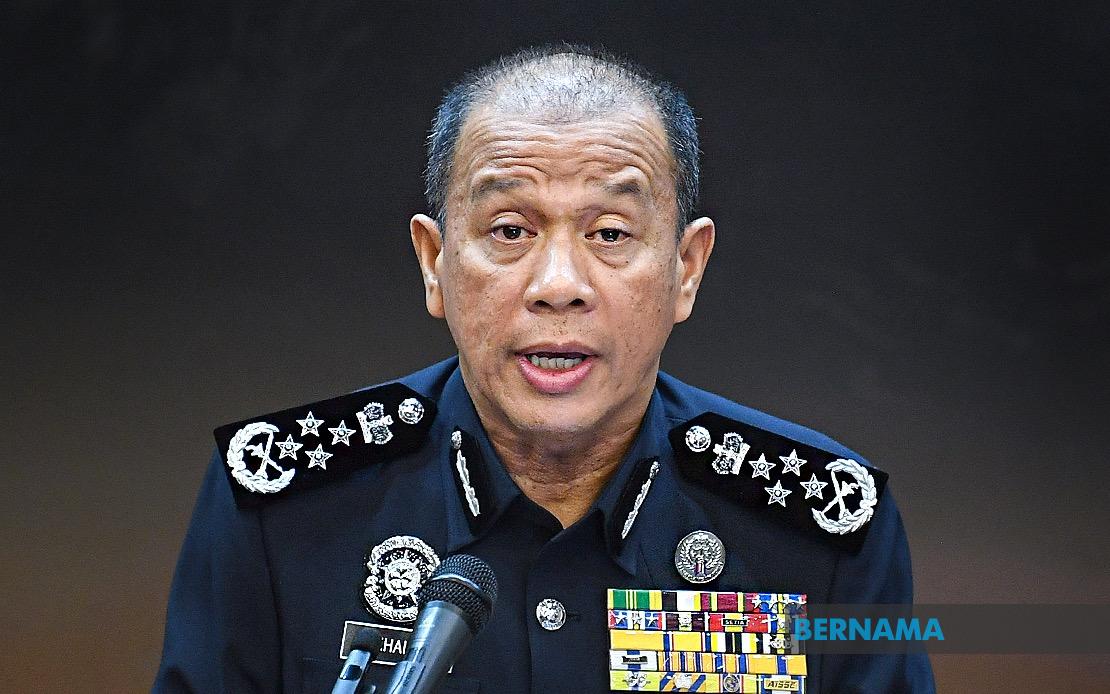
The Royal Malaysia Police has embraced the government's announcement of a revamped promotion mechanism for both the PDRM and Malaysian Armed Forces as a significant step forward that recognises the contributions of those safeguarding the nation's security and public order. Inspector-General of Police Tan Sri Mohd Khalid Ismail framed the initiative as long-overdue recognition of personnel entrusted with critical responsibilities, marking a meaningful shift in how the government approaches the career development of its uniformed services.
Speaking at an event in Kuala Lumpur, the IGP expressed profound gratitude to Prime Minister Datuk Seri Anwar Ibrahim for placing the career advancement agenda of national security forces at the centre of government policy. The announcement represents a culmination of discussions that have engaged both the PDRM and MAF leadership for some time, reflecting longstanding concerns within these services about the pace and transparency of promotion pathways.
The government has committed, in principle, to dismantling bureaucratic obstacles that have historically slowed advancement through the ranks. By aligning the PDRM and MAF promotion systems with those used across the broader civil service, authorities aim to create a more consistent, predictable career trajectory for officers and enlisted personnel. This harmonisation could reduce inconsistencies that have previously created frustration among personnel who perceive promotional delays or opacity in decision-making.
Prime Minister Anwar conveyed the government's position during the Semarak Kenegaraan programme at Terendak Camp, where he addressed Malaysian Armed Forces personnel. His comments signalled that expediting promotions is not merely a police matter but a whole-of-government priority affecting both uniformed services. The timing of the announcement, coinciding with a major programme celebrating military and security contributions, underscored the symbolic importance the government places on recognising these institutions.
For the PDRM specifically, the move carries implications beyond simple career progression. The force has faced repeated challenges in recruitment and retention, particularly at middle management levels where officers sometimes transfer to other government agencies or private security sectors seeking clearer advancement pathways. A streamlined promotion system addresses one of the structural grievances that has contributed to this attrition. By demonstrating tangible commitment to officer development, the government signals investment in police institutional strength during a period when public confidence in law enforcement remains a sensitive political issue.
The IGP emphasised that career improvement pathways directly correlate with institutional motivation and professionalism. This connection reflects a broader understanding within security leadership that personnel who perceive fairness in advancement tend to demonstrate greater commitment to ethical conduct and service quality. In the Malaysian context, where integrity within the PDRM has been a longstanding concern, offering credible advancement opportunities may create additional incentive structures for officers to maintain professional standards and resist corruption.
The PDRM has positioned itself as ready to cooperate fully with implementation of whatever new mechanism emerges. This posture suggests the force has been consulted during the design phase and views the coming framework as addressing its institutional interests. However, the force is currently awaiting technical details about how the new system will function, what criteria will govern promotion decisions, and how it will integrate with existing human resources management systems.
Full details of the revised promotion mechanism are scheduled for announcement during the Ambang Merdeka celebration at Stadium Merdeka on August 30, a prominent national occasion. Selecting this venue and timing elevates the announcement's profile, framing promotion reform as part of broader national development and institutional renewal rather than a routine administrative adjustment. This strategic timing also allows the government to present the initiative as part of its larger agenda for strengthening public institutions and improving governance.
For Malaysian observers and regional security analysts, the promotion reform signals confidence within government that the PDRM and MAF represent priority sectors deserving investment in human resource development. The reform effort acknowledges that sustainable institutional strength depends partly on creating career satisfaction among professional personnel. In Southeast Asia, where several nations grapple with police legitimacy issues and security force professionalism, Malaysia's willingness to address promotion mechanisms represents one approach to addressing internal institutional incentives.
The broader implications extend to the civil service ecosystem. If promotion reform for security forces succeeds in improving retention and professional conduct, other government agencies may face pressure to modernise their own advancement systems. This could catalyse wider civil service reform, though implementation success will depend substantially on how the new mechanism functions in practice and whether it genuinely accelerates promotion timelines without compromising merit-based selection.
For PDRM personnel themselves, the announcement provides reassurance that leadership recognises career stagnation as a genuine concern. Whether the reformed system ultimately delivers faster, fairer promotion decisions will determine whether morale gains materialise into sustained improvements in institutional performance. The government's credibility on this issue will rest on transparent implementation and visible career progression among eligible officers in the coming months.

