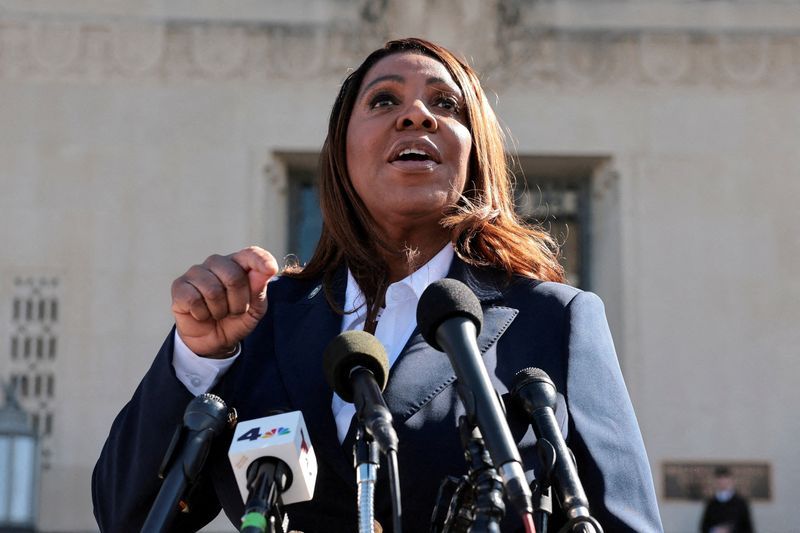
A New York court has dealt a significant blow to Zelle's legal defence, with Justice Phaedra Perry-Bond ruling that the electronic payment platform must proceed to trial against claims by New York Attorney General Letitia James. The decision, handed down on Tuesday, rejects Zelle's argument that the lawsuit lacked sufficient legal grounds, allowing the case to advance despite the company's backing by seven major American banks. This development marks an important moment in regulatory oversight of fintech payment systems, particularly regarding the tension between rapid market expansion and consumer safety protections.
The core allegation against Zelle centres on what the attorney general characterises as a deliberate choice to sacrifice security for growth. According to James, the platform's operators—Early Warning Services, the entity owned by Bank of America, Capital One, JPMorgan Chase, PNC, Truist, US Bank and Wells Fargo—rushed Zelle to market while ignoring safety recommendations from its own banking partners. Justice Perry-Bond found James's allegations sufficiently detailed and credible to proceed, noting that the company had systematically "prioritized accessibility, convenience, consumer adoption, and market dominance at the expense of consumer safety." This framing suggests the judge viewed the lawsuit as raising legitimate questions about corporate priorities in the fintech space rather than representing mere regulatory overreach.
The lawsuit alleges that fraudsters have stolen more than $1 billion from Zelle users, a figure that has drawn increasing scrutiny to the platform's security architecture. Typical frauds documented by the attorney general include account takeovers through hacking, social engineering schemes that convince users to send money for non-existent goods or services, and impersonation fraud where scammers pose as banks, government agencies or utilities. The sheer volume and variety of these schemes underscore systemic vulnerabilities that, according to the lawsuit, could have been mitigated through earlier adoption of protective measures. Perry-Bond's ruling suggests the court found persuasive evidence that Zelle possessed knowledge of these risks yet failed to act with appropriate urgency.
A particularly damaging aspect of the case involves Zelle's continued collection of fees from fraudulent transactions. The judge noted that the platform's ongoing retention of such revenue raises troubling questions about whether the company may have implicitly or expressly sanctioned fraudulent activity on its network. This observation goes beyond technical negligence allegations to suggest potential complicity, a distinction that could prove consequential in determining liability and damages. The financial incentive structure—whereby processing volumes and associated fees increase regardless of transaction legitimacy—represents a potential conflict of interest that the court apparently found worthy of examination.
Marketing practices also feature prominently in James's claims. Zelle promoted itself to consumers with assurances of "peace-of-mind" and emphasised that it was "backed by the banks, so you know it's secure." These messaging strategies, if proven to be misleading given the actual level of fraud on the platform, could constitute deceptive advertising. The gap between marketing promises and operational reality presents a classic consumer protection issue, particularly relevant for Malaysian and Southeast Asian readers familiar with similar marketing claims by financial service providers in their own regions.
Zelle's response has centred on dismissing the allegations as politically motivated while defending its fraud prevention record. Company spokesperson Eric Blankenbaker stated that reports of fraud affecting Zelle users have "always been exceptionally low," characterising the attorney general's case as "recycling claims that courts across the country have rejected as meritless." However, this assertion directly contradicts the allegation of over $1 billion in losses and suggests that the company disputes the attorney general's data or methodology rather than addressing the underlying safety concerns. The company also defended its marketing by arguing that advertising the platform as safe and secure was not inherently misleading, and that it bore no liability for what it termed "passive nonfeasance" in failing to prevent fraudulent activity.
The timing of this lawsuit reflects broader shifts in regulatory approach to fintech. James initiated her case after the U.S. Consumer Financial Protection Bureau (CFPB) dropped a similar enforcement action in March 2025, shortly after President Donald Trump began his second term. The CFPB's withdrawal from Zelle oversight leaves space for state-level regulators like James to pursue accountability, illustrating how federalism can create alternative regulatory pathways when federal agencies reduce their enforcement focus. This dynamic is particularly relevant for observers in other jurisdictions considering how to maintain regulatory momentum when central authorities step back from oversight.
A crucial timeline detail strengthens the attorney general's position. According to James's allegations, Zelle did not adopt what she describes as "basic" safety features until 2023—four years after those same safeguards had been initially proposed. This delay occurred despite mounting pressure from the CFPB and congressional investigations. The prolonged inaction despite known vulnerabilities and regulatory interest suggests that the company prioritised other considerations over consumer protection, a narrative that Justice Perry-Bond apparently found compelling enough to warrant a full trial.
Zelle's prominence in the American payments landscape makes this case particularly significant. Launched in 2017, the platform has become a major competitor to PayPal's Venmo and Block's Cash App, serving as the interbank payment mechanism for numerous financial institutions. The scale of Zelle's operations and its integration into the U.S. banking system mean that security weaknesses affect millions of consumers across multiple banks. For Malaysian observers, Zelle's experience offers cautionary lessons about fintech expansion in developing regulatory frameworks, where growth pressures may similarly outpace safety infrastructure.
The judge's decision to allow the case to proceed does not determine its outcome but rather establishes that the allegations warrant examination through the full litigation process. Discovery phases ahead will likely reveal internal communications about safety discussions, decision-making processes regarding feature implementation, and financial data regarding fraud losses and fee collection. These documents could provide substantial insight into corporate priorities and risk assessment frameworks at Zelle. The case now moves toward trial with significant implications not only for Zelle and its banking shareholders but for regulatory expectations across the fintech payment industry regarding fraud prevention as a baseline operational obligation rather than an optional enhancement.

