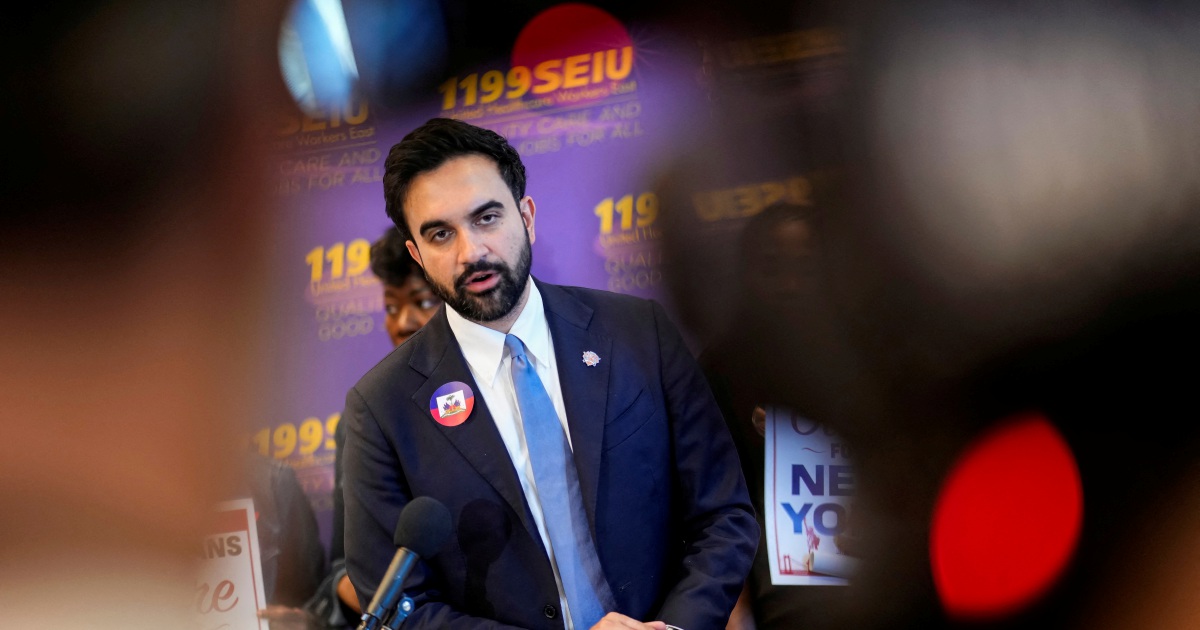
New York City Mayor Zohran Mamdani has signalled ongoing deliberations about whether to attempt arresting Israeli Prime Minister Benjamin Netanyahu when he attends an upcoming United Nations summit, according to remarks made in a Saturday interview. The prospect of such a move has triggered sharp condemnation from Netanyahu's office and supporters, highlighting the profound tensions surrounding Israeli leadership at international forums.
Mamdani's comments reflect a broader political predicament facing New York officials as they grapple with competing legal and diplomatic considerations. The mayor did not specify precise timelines or outline concrete steps his administration would take, but his willingness to publicly discuss the possibility underscores how contentious Netanyahu's presence in the city has become among certain segments of the political establishment. Such statements typically emerge from pressure campaigns by advocacy groups and elected officials who view Netanyahu's policies toward Palestinians as warranting accountability measures.
The notion of arresting a sitting foreign leader at the UN headquarters in Manhattan presents extraordinary legal complications. International diplomatic immunity protections, established under the Vienna Convention on Diplomatic Relations, typically shield heads of state and government from domestic prosecution while they conduct official duties. However, some jurisdictions have argued that certain circumstances—particularly cases involving alleged crimes against humanity or war crimes—might override conventional immunity protocols. These arguments remain contentious within international law circles, and the prospect of New York attempting such an arrest would almost certainly trigger immediate legal challenges and diplomatic protests.
Netanyahu's administration swiftly rejected Mamdani's suggestion, characterising it as politically motivated and illegitimate. Netanyahu's representatives pointed to established diplomatic protocols that protect foreign leaders attending international organisations on US soil. They also questioned the mayor's authority to unilaterally initiate arrest proceedings against a UN attendee, raising concerns about the politicisation of law enforcement and the potential precedent such action might establish for international relations.
The controversy reflects deeper divisions within American politics over Israel's military conduct, particularly concerning operations in Gaza and the Palestinian territories. Progressive elements within New York's political class have grown increasingly vocal in criticising Israeli government policies, while mainstream Democratic leadership has generally sought to maintain strong Israel ties while calling for humanitarian protections. Mamdani's intervention positions him within the more assertive faction, though his willingness to pursue such an extraordinary step remains unconfirmed.
From a Southeast Asian perspective, this dispute carries relevance to how nations navigate relationships with powerful allies while maintaining principles of international law. Many regional governments face similar dilemmas when balancing strategic partnerships against concerns about human rights and proportionality in military operations. The question of how democratic cities within Western powers handle controversial foreign leaders becomes a barometer for global commitment to consistent application of accountability standards.
The UN summit represents a unique gathering where international leaders converge, creating moments when different legal jurisdictions overlap. New York City's role as the headquarters of the United Nations places it at the intersection of domestic law and diplomatic convention. This situation forces American officials to reconcile local political pressures with international obligations, a tension that has repeatedly surfaced throughout modern history when controversial leaders visit the city.
Legal experts have noted that any genuine attempt to arrest Netanyahu would require coordination across multiple levels of government, including federal agencies that typically defer to the State Department on matters affecting international relations. The federal government has historically intervened to prevent such arrests, viewing them as threats to diplomatic stability and America's capacity to host the UN. Such intervention would likely leave New York officials unable to proceed, regardless of their political inclinations.
The practical barriers to executing an arrest are substantial, but the political messaging behind discussing such possibilities carries weight among constituencies opposing Israeli government policies. Whether Mamdani's comments represent genuine legal consideration or primarily serve rhetorical purposes remains unclear. The ambiguity itself, however, signals the depth of internal debate within American cities regarding how to respond to leaders whose actions generate significant moral and political controversy.
For Malaysia and the wider region, this episode illustrates how Western democracies navigate complex questions about accountability, diplomatic privilege, and principled stands on international issues. It also demonstrates that even within allies of Israel, there exists meaningful political space for criticising government policies and attempting to hold leaders accountable through mechanisms normally reserved for domestic offenders. The outcome of these discussions will likely influence how other countries approach similar situations in coming years.

