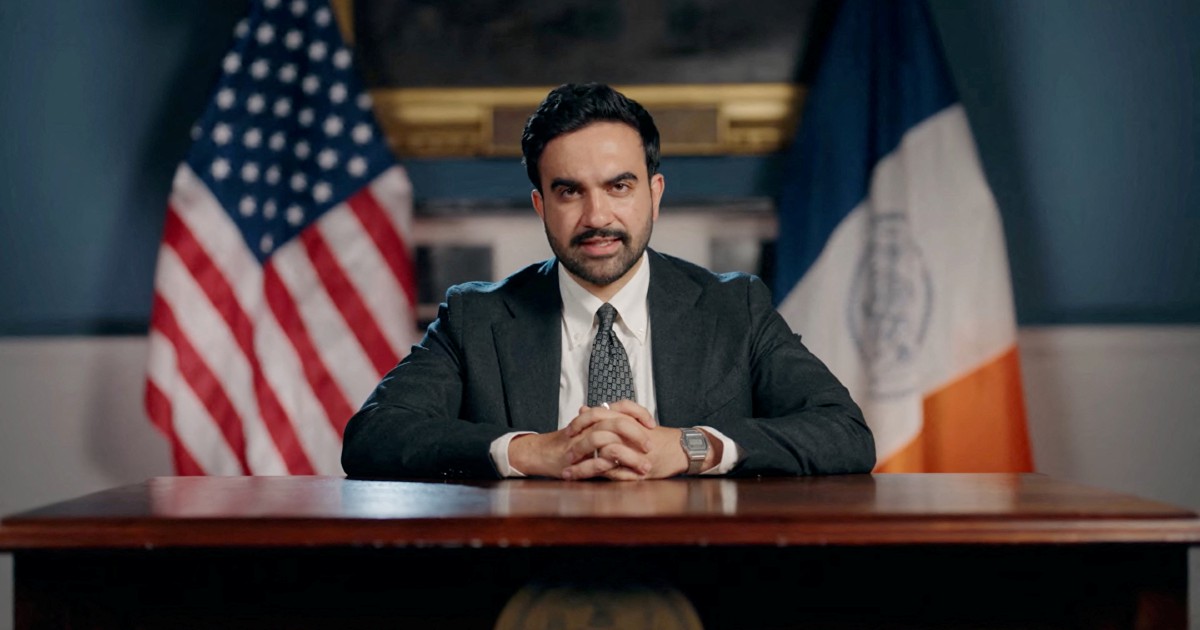
New York Mayor Zohran Mamdani has rejected suggestions that his city possesses the jurisdictional authority to enforce an International Criminal Court arrest warrant against Israeli Prime Minister Benjamin Netanyahu, placing responsibility squarely with federal authorities in Washington. Speaking on Tuesday, Mamdani made clear that any action on the warrant falls outside the purview of municipal law enforcement and must be handled at the national level by US government officials.
The ICC issued its arrest warrant against Netanyahu in November 2024, marking a significant moment in international criminal justice proceedings. The court's decision followed its investigation into alleged crimes linked to Israel's military operations in Gaza. The warrant's issuance immediately raised complex questions about how nations should respond, particularly the United States, which is not party to the ICC and has no formal obligations to enforce its orders.
Mamdani's position reflects the intricate legal architecture governing international arrest warrants within the American system. Municipal police forces operate under state and local jurisdiction, empowered to enforce laws within their geographical boundaries but lacking authority to implement international treaties or ICC directives independently. The US federal government, through the State Department and Department of Justice, maintains control over how America engages with ICC matters and determines policy regarding cooperation with the court's decisions.
The statement underscores ongoing tension between different levels of American governance on matters of international law. While some cities have progressive constituencies that view the ICC's actions sympathetically, municipal authorities cannot unilaterally decide to detain foreign leaders or dignitaries on their own authority. Such actions would require explicit federal directive and could carry serious diplomatic implications for US-Israel relations, a cornerstone of American foreign policy in the Middle East.
The Netanyahu warrant emerged from the ICC's broader investigation into the 2023-2024 conflict in Gaza following Hamas's October 2023 attack on Israel. The court has examined allegations regarding both Israeli military conduct and Palestinian armed group actions. The prosecutor's office has sought to investigate potential violations of the laws of war and humanitarian law committed by various parties to the conflict.
For Malaysia and other Southeast Asian nations, the Netanyahu warrant situation carries important implications for the broader question of how developing countries should relate to international criminal justice mechanisms. Many nations in this region have supported stronger ICC enforcement, viewing the court as a potential check on powerful actors. However, they simultaneously grapple with concerns about how such mechanisms might eventually be applied to their own leaders and military operations.
The American position on the ICC remains distinctive among democratic nations. Unlike Canada, European Union members, and Australia, the United States has never ratified the Rome Statute that established the ICC. This non-membership means America has no legal obligation to enforce ICC warrants, yet it creates ambiguity about voluntary cooperation in cases involving its allies. Historically, the US has pursued selective engagement with the court, supporting investigations in some conflicts while opposing those involving American interests or close partners.
Mamdani's comments suggest that the federal government should formally address the warrant question and provide clear guidance to local authorities. Without such direction, individual cities and states could face ongoing pressure from constituents, activist groups, and international observers regarding their stance on the matter. The absence of federal clarity creates a governance vacuum that leaves municipal officials in an awkward position.
The warrant's practical impact remains limited given Netanyahu's ability to avoid countries that might enforce it or be pressured to do so. However, the symbolic significance is considerable, as it represents the first time the ICC has issued a warrant for an Israeli leader and reflects the court's determination to investigate allegations stemming from the Gaza conflict. The decision has intensified debates about whether the ICC operates with sufficient impartiality and whether powerful nations should respect its authority.
For regional observers, the situation illustrates the complexity of building effective international legal institutions when major powers remain outside the system. The contrast between American non-participation and the expectations placed on other nations to comply with ICC decisions raises questions about justice, power, and legitimacy. Southeast Asian nations have invested diplomatic capital in supporting international courts and criminal tribunals, making American ambivalence about such mechanisms a point of ongoing concern.
The federal government's eventual response to the Netanyahu warrant will likely establish important precedent for how Washington handles future ICC actions. Whether officials choose to formally oppose enforcement, remain silent, or actively facilitate cooperation could reshape international perceptions of American commitment to the rules-based international order it claims to champion. The decision will also reflect calculations about protecting the US-Israel alliance against competing commitments to international legal norms.
Mamdani's statement correctly identifies that responsibility resides in Washington, but it also highlights the absence of clear federal policy guidance on how the US should approach ICC warrants involving allied leaders. Until the State Department and Justice Department provide explicit direction, cities like New York will remain in legal and diplomatic limbo regarding how to handle potential encounters with Netanyahu or other ICC-targeted individuals on American soil.

