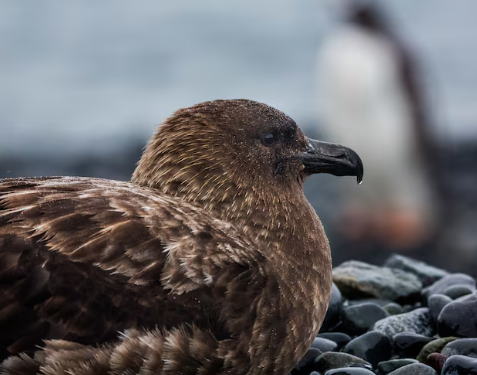
New Zealand has reported its first confirmed case of the highly pathogenic H5N1 bird flu virus, marking the arrival of the disease in the South Pacific nation. A brown skua seabird discovered on a Wellington beach tested positive for the virus, according to Biosecurity Minister Andrew Hoggard's announcement on Wednesday, July 15. The discovery comes roughly a month after Australia, the last continent without confirmed detections, identified its own cases, completing a global spread of the virulent strain that has devastated wild bird and mammal populations worldwide since 2021.
The appearance of H5N1 in New Zealand follows an established pattern of geographical expansion. The virus, which has claimed millions of bird lives across multiple continents, has simultaneously infiltrated poultry operations and dairy farms while occasionally infecting farmworkers in affected regions. Australia has now recorded 14 confirmed or presumed positive detections as of the time of New Zealand's announcement, suggesting the Tasman Sea provides no barrier to the virus's transmission through migratory bird populations. Despite the concerning discovery, Hoggard emphasised that current surveillance has detected no evidence of widespread wildlife die-offs or transmission networks among wild bird populations within New Zealand's borders, nor has the virus been found in domestic poultry operations.
New Zealand's biosecurity planners have long anticipated this scenario, having spent months coordinating with the poultry industry to establish contingency protocols and resilience frameworks. However, the nation's unique ecological circumstances create stakes considerably higher than those facing most countries. New Zealand's avian fauna evolved in complete isolation from mammalian predators for millions of years, producing an exceptional array of flightless species and ground-dwelling birds that never developed the defensive behaviours or flight capabilities common to species elsewhere. This evolutionary trajectory, whilst producing globally irreplaceable biodiversity, has created a population acutely vulnerable to novel threats.
The country's native bird species already face compounding pressures from habitat degradation and introduced predators such as stoats, rats and feral cats. Many of New Zealand's most iconic bird populations exist in critically endangered states, their numbers dwindling year after year. An unchecked H5N1 outbreak could deliver a catastrophic blow to species that have survived centuries of human settlement but are now balanced precariously on the edge of viability. Wildlife authorities have recognised this existential risk and launched an unprecedented vaccination campaign targeting 300 core breeding individuals from five of the nation's most threatened species, including the flightless takahe and kakapo, both emblematic of New Zealand's conservation efforts.
The vaccination programme represents a significant escalation in conservation methodology, applying medical intervention at a scale previously unseen in New Zealand's wildlife management. These core breeding populations represent the genetic and demographic anchors of their respective species, held in carefully managed facilities and sanctuaries designed to preserve populations against extinction. Vaccinating these birds aims to provide a protective buffer should the virus spread into sanctuary environments, preserving the breeding stock necessary for potential species recovery. The strategy reflects the judgement that preventive intervention now is far preferable to attempting recovery after potential extinction.
Brett Gartrell, professor of wildlife health at Massey University, has articulated the profound anxiety animating these protective measures. Gartrell emphasised that New Zealand's birds lack any evolutionary exposure to influenza viruses of this severity, having never faced such pathogens during their isolated evolutionary development. This naïveté leaves them biologically unprepared to mount effective immune responses, potentially making them unusually susceptible to severe illness and death compared to bird populations in other regions that have experienced influenza exposure over evolutionary timescales. The concern extends beyond immediate mortality rates to the possibility that virus spread could outpace vaccination programmes, overwhelming the protective measures authorities have implemented.
The vulnerability of New Zealand's avifauna carries implications far beyond national borders. Several of the species now considered at risk from H5N1 exist nowhere else on Earth, representing millions of years of unique evolutionary development found in no other location. Their extinction would represent an irreversible loss of biological diversity and evolutionary heritage with no global equivalent. For a nation that has invested heavily in conservation infrastructure and positioned itself as a leader in endangered species protection, the potential loss would carry both emotional and economic consequences, affecting tourism, scientific research value, and international conservation partnerships.
The broader regional context shows Southeast Asia and the South Pacific facing similar or even greater challenges from H5N1 spread. Unlike New Zealand's concentrated efforts to protect a handful of critically endangered species, the region's domestic poultry sectors involve millions of birds across hundreds of farms with varying biosecurity standards. Human populations dependent on poultry as primary protein sources face economic disruption and food security concerns that dwarf the conservation questions animating New Zealand's response. The New Zealand case thus serves as a regional alarm bell, signalling that H5N1 presence in the Southwest Pacific creates risk vectors affecting not just wildlife but human livelihoods and food systems throughout the region.

