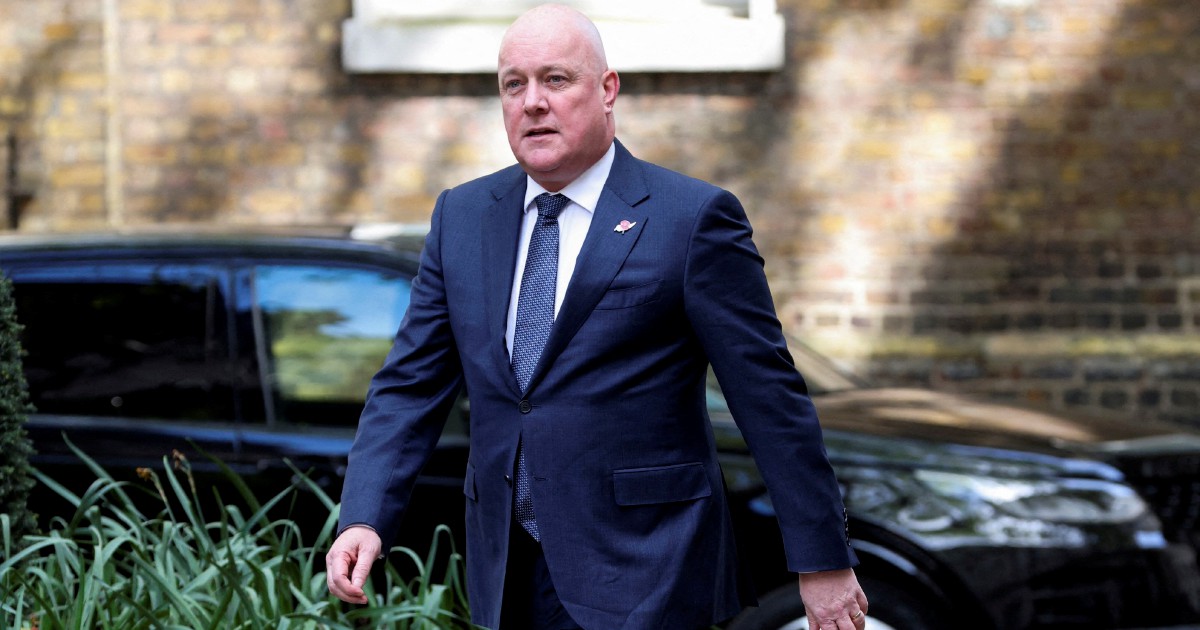
New Zealand Prime Minister Christopher Luxon has consolidated his position within the ruling National Party, affirming he enjoys the support of party MPs as he navigates the politically sensitive period leading into a general election scheduled for later this year. The survival of the challenge, launched with considerably less than a quarter-year remaining before voters cast their ballots, represents a stabilisation moment for Luxon and the government, even as it underscores underlying tensions that have surfaced within the party's ranks.
The emergence of a formal challenge to Luxon's leadership, initiated during the final stretch of the electoral cycle, reflects broader dynamics within the National Party that have accumulated over his time as Prime Minister. Such contests are rarely held without calculation from those initiating them, suggesting concerns among some party members about electoral prospects, policy direction, or internal management. The timing is particularly revealing—typically, parties seek to project unity in the months immediately preceding a campaign, making the fact that dissidents felt compelled to force a vote noteworthy.
Luxon's assertion of "full support" from the party membership carries particular weight in New Zealand's political system, where prime ministerial authority ultimately depends on retaining the confidence of their own parliamentary caucus. A decisive vote in his favour provides him with a strengthened mandate to pursue government business without the distraction of internal sniping or speculation about his tenure. For the National Party machinery, a clear outcome also allows organisational focus to shift more decisively toward campaign preparation and messaging.
The context of New Zealand politics remains important for understanding why such challenges emerge. The country's coalition government structure has meant that Luxon has needed to maintain working relationships with minor coalition partners while managing his own party's internal dynamics. Policy compromises required to keep such arrangements stable can generate discontent among backbenchers or MPs with particular ideological commitments. Additionally, the National Party comprises politicians from varying philosophical positions, and periods of electoral uncertainty can amplify factional tensions.
For Malaysian and Southeast Asian observers, the incident offers insight into how Westminster-style democracies handle leadership turbulence during critical electoral windows. Unlike systems where prime ministerial transitions might occur through executive appointment or where parliamentary parties exercise less independent authority, New Zealand's mechanisms require open contestation and explicit caucus endorsement. This transparency, while sometimes appearing chaotic to outsiders, ultimately reflects the strength of parliamentary accountability in such systems.
The challenge's resolution also signals likely continuity in New Zealand's foreign policy and regional positioning. Luxon's government has been notably engaged with Indo-Pacific security concerns and has strengthened defence partnerships, particularly regarding strategic competition with China. A change in prime ministerial leadership during the election campaign would have created uncertainty about these commitments, potentially affecting coordination with allies including Australia and other regional partners. His consolidated position removes such speculation.
Electorally, the outcome provides the government with momentum to present itself as united and capable of governance through the campaign period. Opposition parties will seek to portray any remaining divisions as evidence of internal dysfunction, but Luxon's victory in the party vote allows him to move past this episode and focus messaging on government achievements and future policy platforms. The National Party can now present a united front rather than appearing fractious.
However, the fact that the challenge was mounted at all suggests underlying anxieties about electoral performance or governance direction that have not simply vanished. Those who initiated the challenge presumably believe the party's prospects could be improved through alternative leadership, and while they have been overruled by their colleagues, their concerns may reflect broader sentiment among some voter constituencies. Luxon will need to demonstrate through the campaign that the confidence placed in him remains warranted.
The broader implications for New Zealand's political system include questions about the sustainability of current coalition arrangements and whether the government's policy agenda has adequately addressed voter concerns on cost-of-living issues, healthcare, and public safety—areas where New Zealand voters have expressed significant frustration. The leadership challenge, while resolved, hints at party members' awareness that these issues remain politically volatile.
Moving forward, Luxon's strengthened position creates space for more decisive leadership during the campaign. With internal challengers effectively silenced through the caucus vote, he can pursue strategic messaging and policy announcements without simultaneously managing questions about his political survival. This represents a meaningful advantage for a government seeking re-election, particularly in a political environment where voter attention spans and media cycles often work against incumbent administrations.
The incident ultimately demonstrates that even in established democracies with strong institutional traditions, political pressure and uncertainty can prompt challenges to sitting leaders. New Zealand's system, however, has mechanisms to resolve such contests definitively and relatively quickly. Luxon's survival, confirmed by his own party members, provides him with democratic legitimacy heading into the election campaign and removes a significant distraction that could have hampered government effectiveness in these final months.

