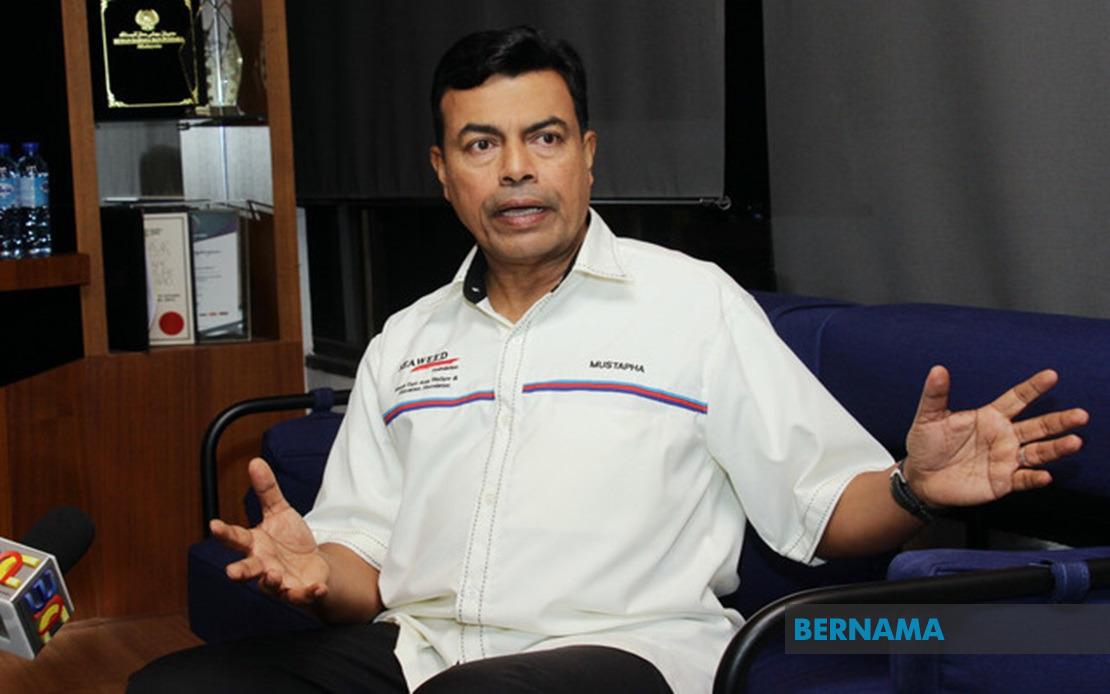
A prominent education advocacy group has urged Malaysia's Education Ministry to establish a specialised oversight body dedicated to safeguarding student welfare and school safety, contending that the current system places too much responsibility on teachers while failing to address escalating security concerns. Speaking in Semporna on July 9, Datuk Dr Mustapha Ahmad Marican, chairman of the South East Asia Welfare and Education Foundation (SEAWEED), argued that dedicating institutional resources to this function would modernise Malaysia's approach to school security while freeing educators to focus on their core teaching responsibilities.
The proposal represents a systematic shift away from the existing model where schools manage disciplinary matters, incident response, and safety protocols with minimal external oversight or specialised support. Mustapha suggested the new body could operate either as a division within the Education Ministry itself or as an independent statutory authority with its own powers, budget, and accountability mechanisms—a decision he indicated should be determined through consultation with education stakeholders. This flexibility reflects recognition that different governance structures may suit Malaysia's federal education landscape better than a one-size-fits-all approach.
The call for institutional reform draws from international precedent. Both the United Kingdom and Australia maintain dedicated agencies or comprehensive legal frameworks that specifically monitor and enforce student safety standards across their school systems. These jurisdictions have developed specialised expertise in identifying emerging threats, investigating incidents, and driving continuous improvement in safety protocols. By pointing to these examples, the SEAWEED chairman implicitly suggested Malaysia risks falling behind regional and global best practices if it continues delegating safety oversight primarily to individual schools and general ministry channels.
One of the most pressing issues such a body would address is the growing problem of school bullying, which Mustapha identified as a persistent threat to student wellbeing. Bullying incidents that result in physical injury demand urgent intervention and comprehensive responses, yet current reporting and follow-up mechanisms often lack the urgency or systematic approach necessary to prevent escalation. A dedicated safety agency could establish standardised protocols for incident investigation, support pathways for victims, and intervention strategies for perpetrators—ensuring consistency across schools regardless of administrative capacity or leadership commitment.
Parallel to bullying, gangsterism represents another significant threat that has manifested in Malaysian schools in recent years, creating environments where some students experience genuine fear and where educational outcomes suffer. Mustapha argued that a specialised agency would be better positioned than individual schools to identify early warning signs, coordinate with law enforcement, and implement prevention programmes that address the root drivers of gang recruitment among teenagers. This requires expertise in adolescent psychology, community engagement, and risk assessment that cannot realistically be expected from school principals managing dozens of competing administrative demands.
The proposed body would also address the critical dimension of student mental health in relation to safety and discipline. Rather than treating bullying or disciplinary infractions as isolated incidents requiring punitive responses, a comprehensive agency could mandate and coordinate psychological assessment and support services. This approach recognises that many safety issues stem from underlying mental health challenges, trauma, or social disconnection—factors that require therapeutic intervention rather than purely disciplinary action. Integrating mental health assessment into school safety frameworks would represent a paradigm shift from punishment-focused to rehabilitation-focused schooling.
Equally significant to Mustapha's advocacy is his emphasis on practical, preventive security measures. He specifically recommended that schools implement regular bag inspections to intercept weapons before dangerous items reach the school environment. Such inspections, if conducted consistently and fairly, can serve as a powerful deterrent while demonstrating institutional seriousness about safety. However, implementation requires clear protocols to protect student dignity and prevent discriminatory practices—another area where centralised oversight and training through a dedicated agency could establish minimum standards and accountability measures.
The consideration of bag inspections also points toward a broader security infrastructure question: what combination of physical security, surveillance, access control, and human oversight best protects students without creating an oppressive or prison-like atmosphere? A specialised agency could conduct evidence-based research, pilot different approaches, and disseminate findings to schools, preventing each institution from reinventing security policies in isolation. This would also ensure that school safety measures remain proportionate, transparent, and subject to parental and community input.
Mustapha's call for in-depth research on bullying dynamics within the Malaysian context addresses a significant knowledge gap. While international research exists, the particular cultural, socioeconomic, and demographic factors driving bullying in Malaysian schools have received limited systematic investigation. A dedicated agency could commission and oversee this research, producing locally relevant insights that inform prevention and intervention strategies. Understanding whether bullying in Malaysian schools stems primarily from socioeconomic disparity, ethnic tensions, family dysfunction, or other drivers would enable more targeted policy responses than generic anti-bullying programmes.
The establishment of such an agency would also create clearer lines of accountability when safety failures occur. Currently, responsibility for preventing incidents is diffused across school leadership, the Education Ministry, and local authorities, making it difficult to identify where systemic gaps exist. A dedicated body would have explicit performance metrics and reporting obligations, enabling parents and the public to assess whether the system is genuinely improving school safety or simply managing the appearance of action. This transparency could restore public confidence in school security following high-profile incidents that have shaken parental trust.
Implementing Mustapha's proposal would require legislative action, budget allocation, and institutional restructuring—significant undertakings that demand political will. However, the costs of inaction are substantial: students cannot learn effectively when fearful, teachers become demoralised when unsupported in managing serious safety issues, and parents withdraw children from school when safety cannot be assured. The Education Ministry's response to this proposal will signal whether Malaysia views school safety as a core institutional responsibility deserving dedicated resources or as an ancillary matter to be managed alongside competing priorities. For Malaysian parents, educators, and students, this distinction carries profound implications.

