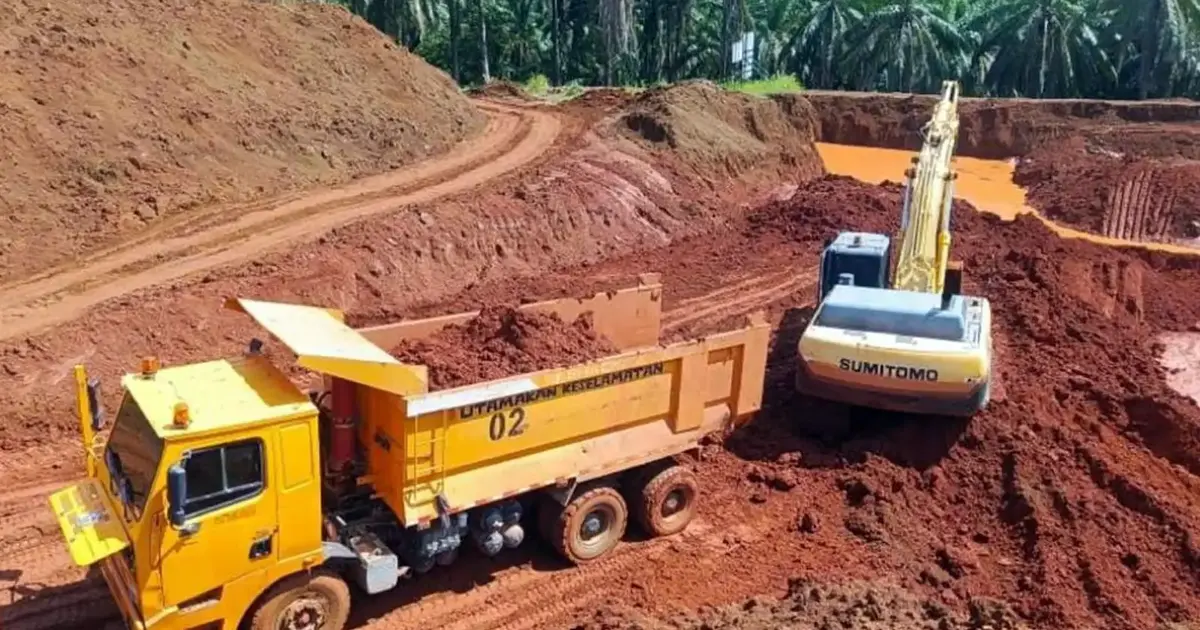
A coordinated enforcement operation by the General Operations Force has dismantled an illegal bauxite mining network operating within Felda plantation areas, resulting in nine arrests and the seizure of approximately RM3.75 million in assets. The raid represents an intensified crackdown against unauthorised mineral extraction activities that have been a persistent concern across Malaysia's primary production zones, where valuable bauxite deposits exist beneath agricultural land designated for smallholder farmers.
The suspects taken into custody include nine foreign nationals whose presence on Felda property without proper authorisation has triggered investigations into the broader operational scope of the illegal mining enterprise. Authorities have indicated that the arrested individuals are believed to have orchestrated or participated in the systematic extraction of bauxite, a lightweight ore essential to the global aluminium industry and a commodity subject to strict regulatory controls in Malaysia. The capture of this network potentially disrupts supply chains feeding into underground mineral trading networks that operate across Southeast Asia.
The confiscated assets valued at RM3.75 million encompass machinery, equipment, and financial holdings directly connected to the mining operation. Such seizures underscore the profitability of illegal bauxite extraction despite regulatory frameworks designed to protect designated agricultural areas and prevent environmental degradation. The scale of assets recovered suggests this was not a small-scale opportunistic venture but rather an organised concern with significant capital investment and operational complexity.
Bauxite mining in Malaysia has been a sensitive issue balancing economic extraction interests against environmental protection and land-use preservation. Felda plantations, established to provide sustainable livelihoods for settler farmers through regulated agricultural production, have occasionally become targets for illegal miners seeking high-value mineral deposits. The presence of such operations within these protected zones represents a dual threat: it undermines the economic viability of legitimate farming operations and creates environmental hazards through uncontrolled extraction practices.
The involvement of foreign nationals in this operation aligns with broader regional patterns where transnational criminal networks exploit weaker enforcement mechanisms to access valuable mineral resources. These networks typically involve coordination between local operatives who provide access and logistical support, and international elements who manage processing, financing, and distribution. The targeting of Felda properties suggests the perpetrators identified these areas as relatively accessible locations with mineral deposits worth the operational risks.
Enforcement agencies have intensified scrutiny of illegal mining activities following recognition that such operations generate substantial illicit revenue while causing environmental damage through unregulated extraction, improper waste management, and habitat disruption. The General Operations Force involvement indicates this investigation was treated as a priority matter warranting deployment of specialised paramilitary enforcement personnel trained in complex field operations. Such operations require coordination between multiple agencies including minerals and geoscience authorities, agricultural enforcement bodies, and local law enforcement.
The timing of this raid reflects broader regional efforts to combat illegal mining operations that have attracted international attention and contributed to environmental concerns in Southeast Asia. Countries including Indonesia and Thailand have experienced significant environmental and social costs from uncontrolled bauxite extraction, including water pollution, ecosystem damage, and conflicts with local communities. Malaysia's regulatory approach seeks to prevent similar outcomes by maintaining strict controls over mining activities and penalising unauthorised operations.
Further investigation into the seized operation will likely reveal connections to broader supply chains and potentially identify additional suspects or locations involved in the network. Authorities typically examine financial records, communication evidence, and operational documentation recovered during such raids to map the full extent of the criminal enterprise and establish individual roles and responsibilities among participants. The interrogation of arrested suspects will focus on establishing command structures, funding sources, customer networks, and frequency of extraction activities.
The case demonstrates ongoing challenges in monitoring and securing large Felda tracts despite improved surveillance capabilities. With thousands of kilometres of plantation boundaries and relatively dispersed settlement patterns, maintaining complete security across all designated areas remains logistically demanding. Enhanced cooperation between Felda management and law enforcement agencies through intelligence sharing and coordinated patrol strategies represents a necessary approach to preventing future incursions by illegal mining operators seeking to exploit these valuable land reserves.

