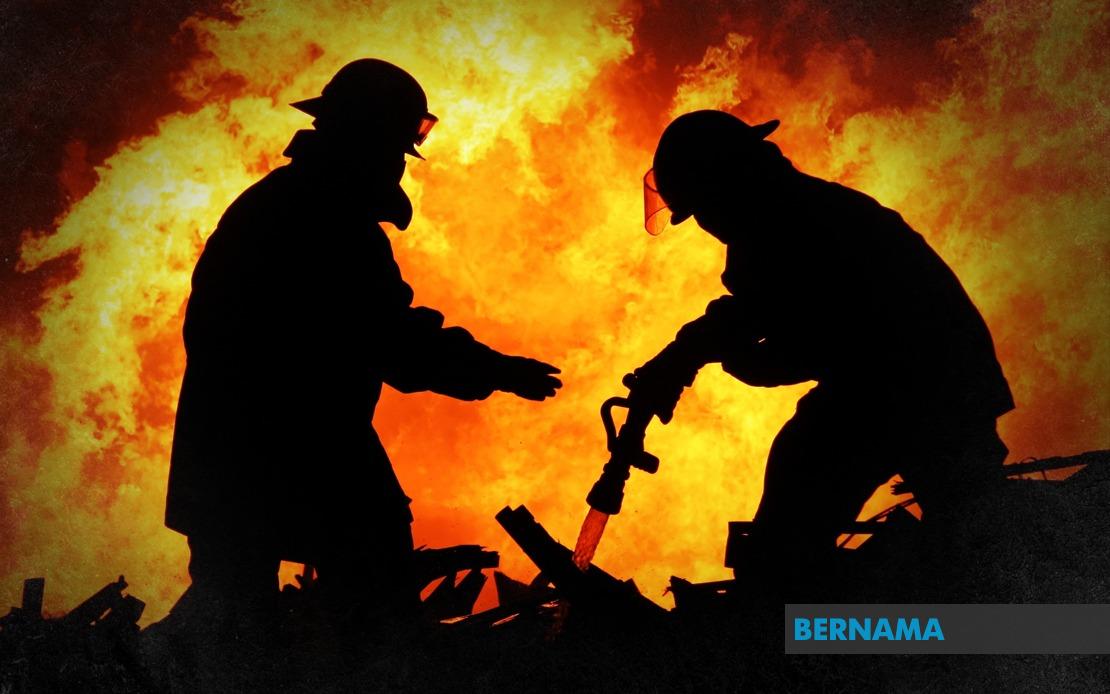
An explosion at a firecracker manufacturing operation in Gujarat state claimed nine lives on Saturday, adding another chapter to India's grim record of industrial disasters in the pyrotechnics sector. The blast at Talent Fireworks in the Vastral area of Ahmedabad left six additional workers injured, with local media reporting varying degrees of injury severity among those caught in the immediate vicinity of the explosion.
The tragedy unfolded at a facility that authorities now confirm was functioning without the required manufacturing licence. Police have moved swiftly to arrest the factory's owner as investigations begin into the circumstances that led to the catastrophic failure of safety protocols. The unlicensed status of the operation underscores a persistent challenge across India's sprawling informal manufacturing sector, where profit margins often outweigh compliance considerations and regulatory oversight remains inconsistent.
Prime Minister Narendra Modi responded promptly to the incident with an announcement of financial assistance from the Prime Minister's National Relief Fund. Each family bereaved by the tragedy will receive 200,000 rupees, approximately RM8,490 by current exchange rates, from the central government relief mechanism. This established response protocol reflects the frequency with which such industrial catastrophes occur across India's manufacturing landscape.
At the state level, Gujarat Chief Minister Bhupendra Patel declared that the provincial government would supplement the central relief with an additional 400,000 rupees per deceased family member, bringing total state compensation to approximately RM16,980 per household. This two-tiered relief structure, combining central and state resources, represents standard Indian disaster response procedure but also highlights the systematic nature of workplace accidents in certain industrial sectors.
Fireworks manufacturing remains one of India's most hazardous industries, with regular incidents occurring across multiple states including Tamil Nadu, Andhra Pradesh, and Telangana. The pattern of these disasters reveals consistent contributing factors: inadequate safety infrastructure, insufficient worker training, absence of proper licensing mechanisms, and widespread non-compliance with established safety regulations. Manufacturing units in these regions often operate in densely populated areas with minimal buffer zones from residential zones, compounding the human cost when incidents occur.
The Vastral area where Talent Fireworks operated has witnessed similar incidents previously, reflecting a concentration of informal manufacturing operations in older urban industrial zones. These facilities frequently lack modern fire suppression systems, proper ventilation, and segregated storage for volatile materials—all standard requirements in regulated manufacturing environments. Workers, often migrant labourers or economically vulnerable individuals with limited alternative employment options, perform hazardous tasks without adequate protective equipment or safety training.
Since enforcement mechanisms remain fragmented across municipal, state, and national regulatory bodies in India, many unlicensed operations continue functioning openly despite legal prohibitions. The relative ease of acquiring raw materials and the high profit margins in firecracker manufacturing create persistent incentives for operators to bypass licensing and safety requirements. Even when raids and closures occur, operators frequently relocate or resume operations under different names or ownership structures.
For Malaysia and other Southeast Asian nations, the incident serves as a cautionary reminder of occupational safety challenges that remain relevant across the region. Although Malaysia's regulatory framework for hazardous manufacturing is considerably more stringent than India's, cases of non-compliance persist, particularly among smaller operators and those in remote locations. Cross-border labour mobility means that safety standards in neighbouring countries directly influence regional labour practices and worker expectations.
The broader context reveals how globalisation of supply chains and competitive pressure on costs can incentivise cutting corners on safety in developing economies. Indian firecracker manufacturers supply regional and international markets, and quality/safety failures can have reputational impacts throughout the supply chain. Several Malaysian importers and retailers source from Indian manufacturers, making supply chain due diligence regarding safety compliance an increasingly important business consideration.
Investigators will likely examine whether Talent Fireworks had attempted to obtain a licence previously and been denied, whether it deliberately concealed operations, or whether it operated through inadequate understanding of regulatory requirements. These distinctions matter for determining whether the tragedy represents a systemic enforcement failure or individual operator negligence—though in practice, India's manufacturing disasters typically reflect both systemic weaknesses and poor individual decision-making.
The relief payments announced, while providing immediate financial assistance to grieving families, address symptoms rather than underlying causes. Substantive prevention would require coordinated action across India's state and central governments to strengthen enforcement, improve worker training, establish safety certification requirements, and create economic pathways that make compliant manufacturing competitive against illegal alternatives. Without such structural changes, similar incidents will almost certainly recur.
Workers entering India's manufacturing sector face asymmetric risks, where their vulnerability to exploitation combines with minimal safety protection and limited recourse mechanisms when incidents occur. The relatively modest compensation amounts, while meaningful for low-income families, underscore the limited financial value Indian regulatory systems currently assign to workplace safety compared with developed economies. This disparity continues to shape manufacturing location decisions for regional and international companies seeking lower operational costs.

