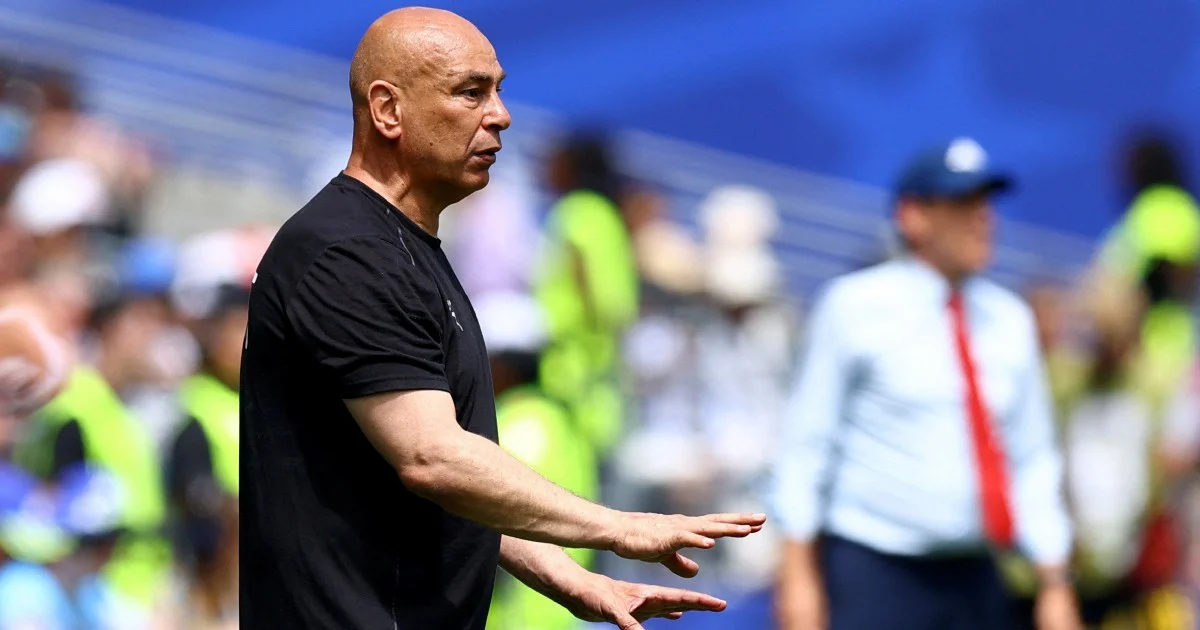
Hossam Hassan has sought to quell mounting speculation about potential friction within Egypt's squad, specifically regarding the absence or involvement of talismanic forward Mohamed Salah, as the North African nation prepares for a pivotal World Cup encounter. Speaking ahead of the Group G match against New Zealand at BC Place in Vancouver on Sunday, the Egyptian coach categorically rejected suggestions that discord exists among his players, painting a picture of a united dressing room focused entirely on the tournament's objectives.
The intervention comes at a sensitive moment in Egypt's World Cup campaign, with every match carrying heightened significance for a nation with deep footballing traditions and World Cup aspirations. Group G presents a challenging pathway to advancing through the tournament's initial phase, and Hassan's comments reflect the coaching staff's awareness that external narratives—whether about player relationships or tactical discord—can destabilise team morale and distract from on-field preparation. By addressing the speculation directly, Hassan appears intent on controlling the narrative surrounding his squad's internal dynamics.
Mohamed Salah's status as Egypt's primary creative force and goal-scoring threat elevates any suggestion of unrest involving the Liverpool attacker to national importance. His availability and form will likely determine whether Egypt can achieve a competitive showing in Canada. Hassan's explicit dismissal of friction suggests that whatever prompted external commentary about potential divisions has been either misinterpreted or represents normal squad management issues rather than fundamental problems. The coach's confidence in projecting harmony could be tactical positioning designed to present a strong external face regardless of internal complexities.
The timing of these assurances reflects standard pre-match protocol, where coaches routinely manage media narratives about squad cohesion. However, the specific focus on Salah indicates that questions about the player's relationship with teammates or coaching staff had gathered sufficient momentum to require direct contradiction. Such statements, when volunteered proactively, sometimes reveal underlying sensitivities that the coaching staff wishes to neutralize before they can affect player psychology or team performance.
New Zealand represents Egypt's immediate focus, though the broader Group G landscape will determine how significant each match becomes. The Egyptians will approach this fixture understanding that positive results early in the tournament provide psychological momentum and increase the margin for error in subsequent games. Hassan's emphasis on squad unity serves a dual purpose: reassuring supporters back home that internal problems are not undermining campaign prospects, while also signalling to his players that he expects complete commitment and professionalism regardless of any external chatter.
The decision to highlight the absence of internal issues rather than to discuss tactical preparation or specific match strategies against New Zealand suggests that Hassan felt compelled to address legitimate concerns that had begun circulating. In modern football, social media and global sports journalism networks ensure that any hint of squad disharmony spreads rapidly and can affect team morale if not addressed. By making a clear statement early, Hassan attempts to minimize ongoing speculation that could prove distracting.
For Malaysian and Southeast Asian observers following the tournament, Egypt's trajectory carries indirect regional significance. A strong Egyptian showing could influence how African nations are perceived within global football hierarchies, potentially affecting how regional confederation matches are evaluated and how tournament structures are assessed. Additionally, the performance of high-profile players like Salah on the world stage maintains their profile and commercial appeal across Asian markets where they have substantial fan bases.
The World Cup provides a unique stage where squad harmony directly translates to performance outcomes. Unlike club football, where teams have seasons to build chemistry and address fractious relationships, World Cup campaigns compress everything into brief, high-stakes windows. Hassan's insistence that no meaningful problems exist within his squad suggests confidence that his team can focus entirely on football rather than internal management during these critical matches.
Looking forward, Egypt's performance against New Zealand will provide objective evidence regarding squad cohesion and mental sharpness. If the team performs well, Hassan's assertions about unity will appear vindicated. Conversely, any poor showing could reignite speculation about whether underlying tensions affected concentration and execution. This dynamic places additional pressure on the upcoming match, transforming it from a routine group-stage fixture into a referendum on Hassan's claims about squad harmony and his team's actual readiness for World Cup competition.