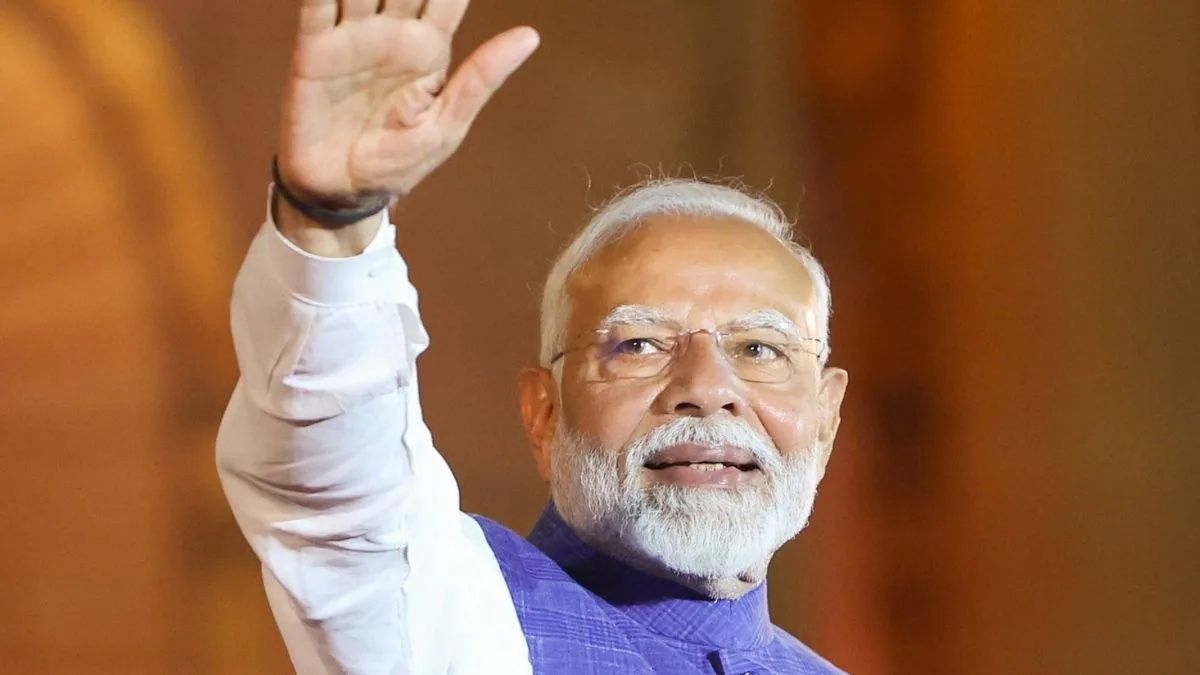
Prime Minister Narendra Modi will headline India's 12th International Day of Yoga (IDY) celebrations from Kolkata's historic Red Road on Sunday, June 21, in what officials describe as a major reaffirmation of his administration's commitment to promoting public health and well-being. The event, structured around the theme "Yoga for Healthy Ageing," will unfold in the early morning hours with mass demonstrations of the Common Yoga Protocol drawing thousands of participants, including senior government dignitaries and citizens from across the metropolitan area.
The choice of Kolkata as the primary venue carries significant political undertones that extend beyond the wellness narrative. The decision arrives shortly after the Bharatiya Janata Party (BJP) secured a decisive victory in West Bengal's Assembly elections, displacing the incumbent Trinamool Congress from power after years of control. Senior party leaders have signalled that the state will receive substantial central government attention in the coming years, with development initiatives and resource allocation featuring prominently in the Modi administration's regional agenda.
Red Road itself represents a symbolic selection. As one of Kolkata's most prominent public gathering spaces, the venue embodies the city's traditions of civic assembly, military heritage, and environmental consciousness. Organisers anticipate record-breaking attendance figures for Sunday's event, reflecting what they characterise as unprecedented enthusiasm for yoga and wellness practices across India. The scale of participation is expected to underscore how comprehensively yoga has become integrated into mainstream Indian public discourse.
The Ministry of Ayush has orchestrated an expansive promotional campaign leading up to the national event. The "Yoga Sangam Portal," a registration platform designed to coordinate participation across institutions and communities, has achieved a remarkable milestone with over 600,000 organisational registrations. This figure demonstrates the breadth of engagement, with registered bodies expected to mobilise their members simultaneously with Prime Minister Modi's participation, creating a nationwide coordinated experience of yoga practice.
Globally, the initiative extends far beyond India's borders. Around 2,500 organised events are scheduled to take place worldwide, leveraging India's diplomatic network across 211 missions abroad. This worldwide footprint reflects how yoga, once a distinctly Indian practice, has transformed into a globally recognised wellness modality with significant cultural and diplomatic value for New Delhi.
For Malaysian and Southeast Asian observers, the international dimension carries particular relevance. The proliferation of yoga celebrations across diplomatic missions illustrates India's successful export of its wellness traditions as a form of cultural diplomacy. Regional countries, including Malaysia, have witnessed expanding interest in yoga across urban populations, with government recognition and private sector initiatives promoting it as a complementary health approach alongside conventional medicine.
Union Minister for Ayush and Health Prataprao Jadhav contextualised this year's theme within global demographic trends. Rising life expectancy across developed and developing nations presents a novel challenge: transforming longer lifespans into periods of active, meaningful living rather than mere survival. Jadhav articulated that yoga offers a "time-tested and holistic pathway" addressing this challenge by simultaneously strengthening physical capacity, enhancing mental health, and improving overall quality of life.
The Ministry of Culture has integrated India's cultural heritage into the wellness narrative through a parallel initiative: yoga programmes will be staged at 100 iconic locations throughout the country. This approach deliberately weaves together traditional Indian cultural sites with contemporary health promotion, suggesting that wellness practices are inseparable from civilisational values and heritage consciousness.
Kolkata itself has witnessed preparatory momentum through earlier programming. The "Daud Se Dhyan 2026 – From Movement to Stillness" initiative, organised under the Swachhata Se Swagat Programme (a cleanliness campaign), brought together health promotion, civic responsibility, and environmental consciousness. Such groundwork indicates that Sunday's main event represents the culmination of sustained engagement rather than an isolated celebration.
State-level coordination demonstrates administrative commitment to the initiative. The West Bengal government has mandated participation in IDY celebrations for all government employees, requiring them to engage at their respective workplaces, residential complexes, or designated venues including Red Road and Milan Mela grounds. This top-down approach ensures visible government participation and signals the administration's prioritisation of health messaging.
For regional audiences, the timing and scale of India's yoga celebrations merit attention as indicators of how South Asian governments increasingly employ wellness promotion as both a public health strategy and a vehicle for cultural assertion. The coordination between central and state authorities, combined with international participation, illustrates how yoga has transcended its origins to become a multifaceted instrument for public engagement, health communication, and diplomatic outreach.
The 12th International Day of Yoga celebrations underscore how India's government employs wellness initiatives to advance multiple policy objectives simultaneously—health improvement, cultural promotion, administrative coordination, and international positioning. As the celebrations unfold from Kolkata's symbolic Red Road, they will broadcast a message about India's commitment to holistic well-being while simultaneously reinforcing political narratives about governance, development, and national pride.