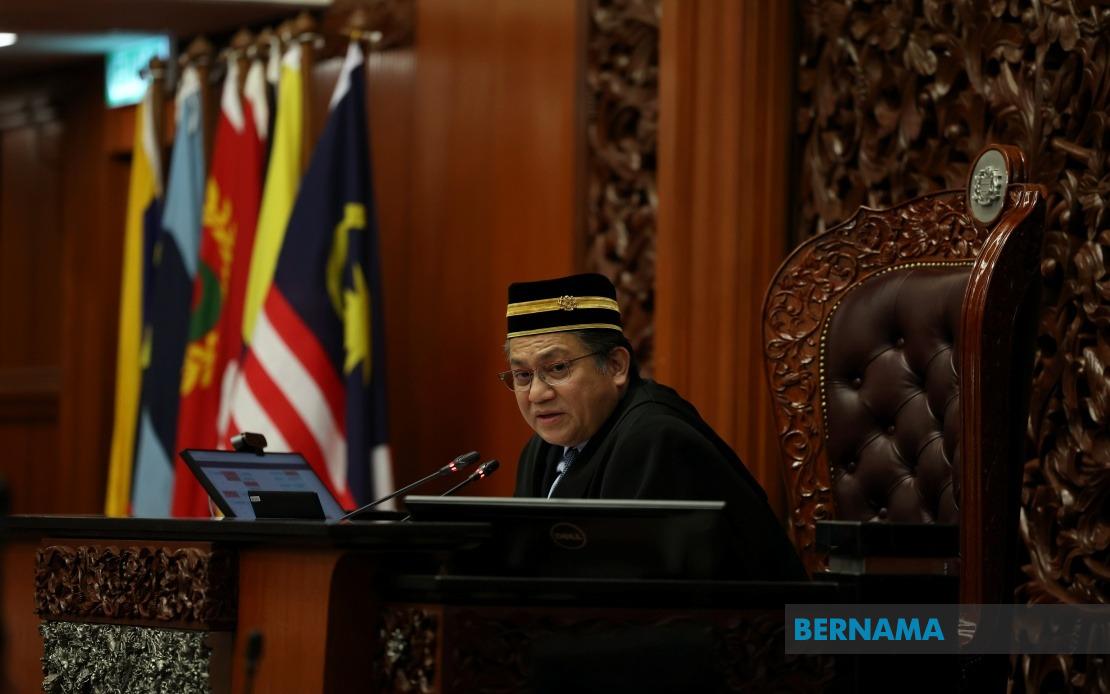
Senator Datuk Nur Jazlan Mohamed has been reappointed as Deputy Speaker of the Dewan Negara for a second term, formalising his continued role in Malaysia's upper legislative chamber. The Higher Education Minister Datuk Seri Zambry Abd Kadir submitted the sole nomination on behalf of Prime Minister Datuk Seri Anwar Ibrahim during proceedings at the Dewan Negara on July 20, with the appointment ratified before the day's question and answer session commenced.
Nur Jazlan's reappointment by His Majesty the Yang di-Pertuan Agong covers a three-year mandate extending from June 15 2026 to June 14 2029, consolidating his position within the upper chamber's leadership structure. The 60-year-old politician first assumed the Deputy Speaker role in June 2023 and now enters his second consecutive term in the position, reflecting confidence in his stewardship of parliamentary procedures and Senate business. His reappointment represents continuity in the legislative leadership during a period when Malaysia's parliament continues to navigate complex governance priorities.
An accomplished political figure with extensive parliamentary experience, Nur Jazlan brings substantial credentials to the Deputy Speaker position. He holds membership on the UMNO Supreme Council and serves as chief of the Pulai Division of UMNO, anchoring his influence within the party structure. Prior to his Senate appointment, he represented the Pulai constituency in the Dewan Rakyat for fourteen years, from 2004 until 2018, accumulating legislative expertise across both chambers. Additionally, he served as Deputy Home Minister throughout the 2015 to 2018 period, providing him with executive government experience and insight into ministerial operations.
Alongside Nur Jazlan's reappointment, fellow Senator Mussodak Ahmad was also confirmed for a second senatorial term during the same proceedings. Mussodak, who represents the Kedah State Assembly in the upper chamber, received his reappointment confirmation for a three-year period commencing March 20 2026 and concluding March 19 2029. Both senators were formally sworn in before Datuk Awang Bemee Awang Ali Basah, the Speaker of the Dewan Negara, establishing their official standing for the forthcoming term.
Mussodak's background reflects the diverse political interests represented within the Senate framework. The Kedah PAS secretary has previously contested state-level elections, standing as a candidate for both the Bayu and Guar Chempedak state assembly seats. His initial appointment to the Senate in March 2023, representing the Kedah State Assembly, marked his entry into the upper chamber. The reappointment acknowledges his contributions during the first senatorial term and signals party confidence in his continued participation in national legislative debates.
The Dewan Negara, comprising 70 senators appointed through various mechanisms including royal appointment and state assembly delegation, functions as Malaysia's upper legislative chamber with distinct responsibilities complementing the lower house. The Senate's composition reflects a balance between centrally appointed members and representatives from state legislatures, creating a deliberative body intended to provide considered review of legislation and national concerns. Leadership positions within the chamber, including the Deputy Speaker role, carry significance in orchestrating parliamentary business and maintaining procedural order.
The parliamentary calendar indicates that the Senate will convene for its Second Meeting of the Fifth Term during the current sitting period, spanning ten days from July 20 through August 4. This sitting schedule accommodates the legislative agenda and provides space for senators to deliberate on matters of national importance. The presence of experienced leadership in positions such as the Deputy Speakership contributes to the efficient management of debates and the orderly progression of parliamentary business during these extended sessions.
Nur Jazlan's continued tenure as Deputy Speaker occurs within the context of broader Malaysian political dynamics and the stability of the current parliamentary framework. His reappointment, submitted unopposed through a sole nomination process, suggests institutional consensus regarding his suitability for the position. The Deputy Speaker carries responsibilities for maintaining parliamentary decorum, assisting the Speaker in managing debate, and ensuring adherence to standing orders, making the role integral to Senate functioning.
The reappointment process itself reflects the formal mechanisms through which Malaysia's political institutions maintain leadership continuity. The involvement of the Prime Minister's office in nominating candidates for upper chamber positions underscores the integration of executive and legislative branches within the Malaysian system. The submission of nominations before parliamentary proceedings and the formal swearing-in of appointees demonstrate the institutional protocols governing senatorial appointments and the transition of new terms.
For Malaysian political observers, the reappointments of both Nur Jazlan and Mussodak Ahmad signal an intention to maintain stability within the upper chamber's administrative structure. The retention of experienced leadership in the Deputy Speaker position suggests confidence in existing parliamentary management practices. The three-year mandate granted to both senators extends through 2029, providing continuity across a substantial parliamentary period and potentially encompassing significant legislative agendas affecting Malaysia's development trajectory during this timeframe.

