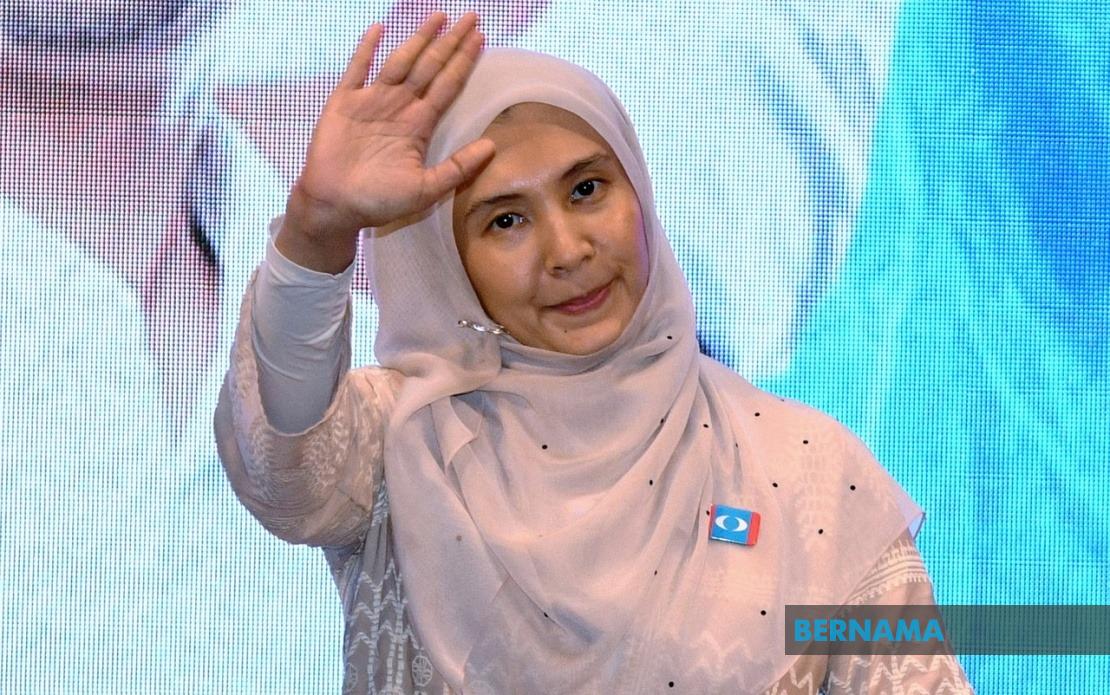
Nurul Izzah Anwar, the daughter of Prime Minister Anwar Ibrahim, has decided to step away from her responsibilities as deputy president of the People's Justice Party (PKR), signalling a strategic shift in her career trajectory toward academic pursuits. The announcement, made through a Facebook statement on August 6, marks a significant moment in Malaysian politics as a prominent second-generation political figure opts to temporarily withdraw from high-level party machinery during her father's premiership. Her decision reflects broader considerations about balancing political ambition with personal development and the pursuit of knowledge outside the immediate demands of executive party roles.
The move comes after Nurul Izzah submitted a formal request to step down, which the PKR Central Leadership Council approved following internal deliberations. Rather than a complete departure from political life, her decision represents a temporary leave of absence from the deputy presidency, allowing her to maintain membership while suspending active duties in the position. The arrangement provides flexibility for her return to formal party responsibilities at a later stage, underscoring that this transition is not necessarily permanent but rather a pause to focus on other dimensions of her professional development and community engagement.
In her statement, Nurul Izzah emphasised that her commitment to supporting PKR and the broader vision for Malaysia remains intact despite stepping back from the deputy presidential responsibilities. She articulated that meaningful community service need not be confined to formal political structures or party positions, a perspective that suggests her future contributions may take diverse forms across civil society, education, or other sectors. This framing demonstrates sophistication in understanding that political influence and social impact can manifest through multiple channels beyond traditional hierarchical party roles, a lesson increasingly recognised among younger political figures navigating complex career paths.
Saifuddin Nasution Ismail, the party's vice-president, has been appointed to serve as acting deputy president while Nurul Izzah pursues her educational objectives. The selection of Saifuddin represents a strategic consolidation of experience and institutional knowledge within PKR's upper leadership, as he has accumulated significant government experience and demonstrated administrative capability in previous roles. This arrangement ensures continuity in the party's governance structure while allowing the leadership to address the void created by Nurul Izzah's temporary withdrawal with a figure capable of managing the responsibilities with minimal disruption to party operations.
Parallel to Saifuddin's appointment, Amirudin Shari takes on the role of PKR election director, strengthening the party's electoral preparedness during a politically fluid period in Malaysia. The restructuring of these senior positions reflects an attempt to distribute responsibilities effectively across experienced hands, ensuring that the party's machinery remains functional and responsive to membership needs. These managerial adjustments suggest that PKR leadership is prioritising organisational stability even as significant personnel transitions occur within its upper echelons.
Nurul Izzah's decision carries symbolic weight within Malaysian politics, where dynastic politics traditionally involves children of prominent figures maintaining or expanding their power bases within family-affiliated parties. Her choice to pursue education rather than consolidate her position as heir apparent signals an evolution in how second-generation political figures may approach their roles and responsibilities. This departure from conventional succession patterns raises important questions about generational shifts in political ambition and the value placed on formal education among rising figures in Malaysian politics.
The timing of the announcement, occurring before the PKR National Congress scheduled for August 15 and 16 in Melaka, allows party members to absorb the changes before the gathering. These biennial congresses serve as crucial forums for party direction-setting, policy discussion, and leadership affirmation, making Nurul Izzah's prior communication of her decision a considerate approach to party transparency. Her intention to meet with party members at the congress despite her withdrawal from the deputy presidency indicates she remains engaged with grassroots PKR activity and values direct communication with the membership about her transition.
For Malaysian observers, Nurul Izzah's move raises pertinent questions about succession planning within the ruling coalition and how younger politicians balance personal development with political obligation. Her father's position as Prime Minister places the family in the most prominent political echelon, yet Nurul Izzah appears to be resisting the pressure to immediately escalate within formal hierarchies. This approach may reflect confidence in her long-term positioning, a desire to build credibility independent of family connections, or simply pragmatic recognition that competitive politics at the highest levels requires thorough preparation and education.
The broader context includes ongoing discussions within Malaysian political circles about institutional strengthening, generational renewal, and the separation of personal ambition from party duty. Nurul Izzah's willingness to temporarily cede a significant position to focus on studies exemplifies a more measured approach to political participation compared to previous eras. Her statement emphasised that she remains committed to the party's mission and values, suggesting her sabbatical is calculated rather than a crisis-driven withdrawal.
From a Southeast Asian perspective, the incident offers insights into how established political families navigate succession and talent development. Unlike systems where power is immediately consolidated through hierarchical advancement, Malaysia's PKR appears to be experimenting with more flexible arrangements that accommodate individual circumstances while maintaining institutional continuity. This approach may prove instructive for other regional parties seeking to balance dynasty politics with meritocratic principles.
PKR's information chief Datuk Seri Fahmi Fadzil formalised the party's position through official channels, emphasising that the leave was granted to accommodate Nurul Izzah's request following constructive discussions within the Central Leadership Council. This procedural clarity reduces speculation about conflict or disagreement, instead framing the transition as a mutual agreement reflecting democratic principles within party governance. The professional manner in which the announcement was managed suggests PKR's desire to demonstrate institutional maturity and respect for individual choices even among senior figures.
Moving forward, observers will monitor whether Nurul Izzah's temporary withdrawal becomes a permanent exit from formal party politics or a calculated interlude before her return to active leadership roles. Her decision underscores that even within established political dynasties, individuals retain agency to pursue paths beyond immediate power consolidation. The success of this transition will likely influence how other second-generation Malaysian politicians approach similar decisions between political ambition and personal development, potentially reshaping expectations around generational succession in Malaysian politics.

