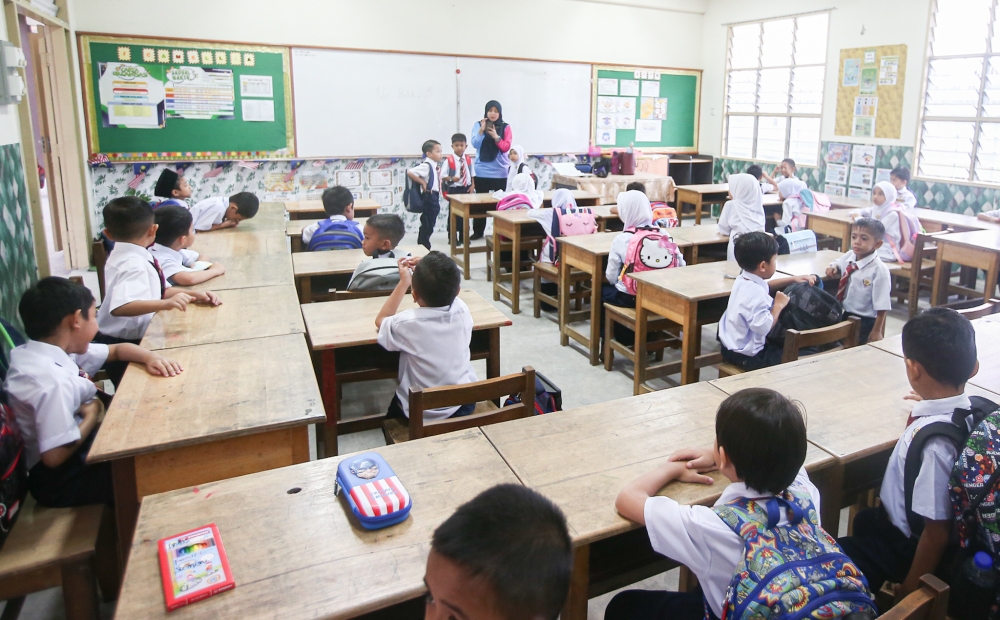
Malaysia's teaching profession faces a deepening crisis of confidence as educators withdraw from disciplinary responsibilities amid mounting litigation and public vilification, prompting the National Union of the Teaching Profession to advocate for formal legal protections. The union's endorsement of a Teachers' Protection Act reflects escalating tensions between classroom management authority and parental activism, a dynamic that threatens to reshape how schools enforce behavioural standards across the country.
The predicament confronting Malaysia's one-million-strong teaching workforce extends beyond conventional workplace grievances. Educators report genuine apprehension when contemplating corrective measures, knowing that a single incident—whether misinterpreted or genuinely problematic—can trigger litigation from parents, complaints to education authorities, or viral social media campaigns that devastate professional reputations. This psychological toll manifests in tangible consequences: teachers increasingly overlook misconduct, avoid confronting rule violations, and refrain from implementing established disciplinary procedures that once constituted routine classroom management.
The underlying tension reflects a significant generational and cultural shift. Parents today possess unprecedented access to information, legal remedies, and platforms for public grievance. When a child returns home with a complaint about a teacher's actions, families can immediately mobilise lawyers, post detailed accounts on Facebook or TikTok, and mobilise community support. Teachers, by contrast, operate under strict codes of conduct that generally prohibit public defence or detailed counter-narratives, leaving them vulnerable to one-sided narratives that circulate unchecked through digital channels.
Lawsuits targeting educators have indeed proliferated, though precise data remains elusive. Cases have ranged from allegations of excessive corporal punishment to claims of verbal humiliation, with some reaching settlement stages while others proceed through lengthy litigation. The financial and emotional burden on individual teachers—who typically earn modest salaries and lack substantial legal resources—creates severe deterrence effects. Even teachers ultimately vindicated in court face years of uncertainty, mounting legal fees, and psychological distress that discourage future enforcement of discipline policies.
Online backlash represents a particularly insidious dimension of this challenge. A recorded reprimand, a disputed account of a classroom incident, or even a misunderstanding can explode across social media within hours. Teachers become targets of coordinated criticism, harassment, and defamatory comments. Parents may launch hashtag campaigns demanding their removal, and education ministry officials sometimes respond reactively to social media pressure rather than conducting thorough investigations. The absence of meaningful digital due process leaves educators exposed to mob justice, where public opinion substitutes for factual adjudication.
The NUTP's advocacy for protective legislation acknowledges a fundamental reality: maintaining classroom order requires teachers to exercise authority, and that authority loses meaning if educators fear consequences disproportionate to their actions. Discipline—properly administered—teaches accountability, consequences, and behavioural boundaries essential to child development. When teachers abandon this responsibility due to fear, the entire educational ecosystem suffers. Students receive inconsistent messaging, high-performing peers experience frustration when misconduct goes unchecked, and behavioural standards deteriorate across institutions.
Malaysia's education system already incorporates specific disciplinary procedures outlined in legislation and school regulations. Teachers are trained in age-appropriate corrective techniques and must follow documented protocols before implementing serious consequences. The disconnect between existing frameworks and current practice suggests that the problem is not insufficient authority but rather insufficient protection from disproportionate retaliation for reasonable disciplinary actions taken in good faith.
A Teachers' Protection Act could establish several safeguards aligned with international precedents. Provisions might include qualified immunity for teachers acting within their professional duties, expedited dispute resolution mechanisms, mandatory investigation periods before public statements are permitted, and explicit protections against defamatory online campaigns. Such legislation would not shield genuinely abusive educators but would separate legitimate cases from misunderstandings and reinstate reasonable boundaries between professional accountability and social media vendettas.
The stakes extend beyond individual teacher welfare. Schools increasingly hire young graduates who witness the profession's vulnerabilities and choose alternative careers. Experienced educators consider early retirement rather than endure mounting legal uncertainty. This talent exodus concentrates teaching roles among less ambitious candidates, ultimately affecting education quality nationwide. Countries that have lost teacher morale through erosion of professional protection have discovered that reversing the trend takes decades.
Southeast Asian nations increasingly grapple with comparable tensions between parental empowerment and professional autonomy. Singapore, despite stronger legal protections for educators, has experienced similar pressure; Thailand has witnessed social media campaigns targeting teachers; and Indonesia has debated teacher protection frameworks. Malaysia's proactive consideration of legislative safeguards could establish a regional model reconciling legitimate parental oversight with necessary professional confidence.
Implementing effective teacher protection requires careful calibration. Legislation cannot shield misconduct; rather, it must distinguish between disputed disciplinary methods and genuine abuse. Independent investigations, clear standards for what constitutes actionable complaints, and transparent appeals processes should complement formal protections. Teachers must remain professionally accountable while exercising reasonable authority without paralyzing fear.
The Teachers' Protection Act debate ultimately reflects broader questions about trust, authority, and institutional confidence. Societies that treat educators as trusted professionals rather than perpetual suspects attract and retain higher-calibre teachers while maintaining standards that protect vulnerable students. Malaysia's teaching profession awaits policy responses that rebalance these competing imperatives.

