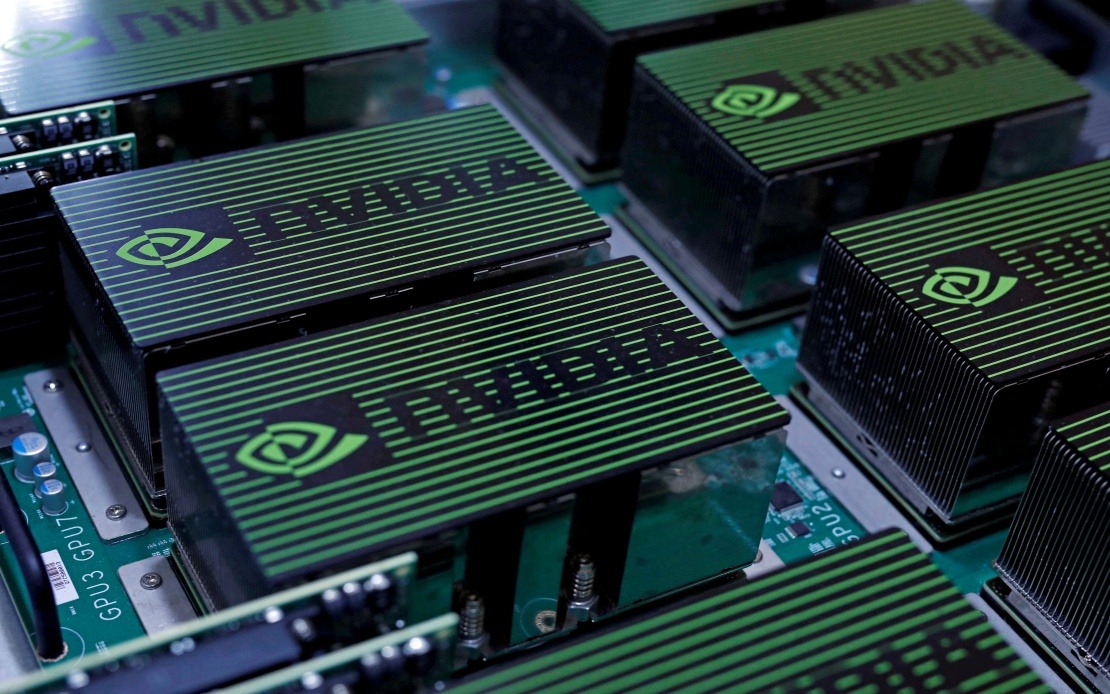
Nvidia, the world's leading artificial intelligence chip manufacturer, has substantially reduced the number of Asian companies permitted to purchase its most advanced processors in response to toughened United States export restrictions. The reduction—cutting the customer roster by more than half—represents a significant escalation in Washington's efforts to prevent cutting-edge semiconductor technology from reaching China through alternative supply chains across the region.
The sweeping measure targets customers in three key markets: Singapore, Malaysia, and Japan. These nations have emerged as critical hubs for AI development and cloud infrastructure in Asia, making them particularly sensitive under US national security protocols. Nvidia has implemented stricter customer vetting procedures across these jurisdictions, resulting in the removal of numerous previously approved buyers from its authorized distributor and direct sale networks.
While the affected companies have been informed they may attempt to address regulatory concerns and resubmit applications, the preliminary barring represents a dramatic shift in Nvidia's operational approach to the region. The company's decision to enforce these restrictions reflects mounting pressure from the US government, which has grown increasingly concerned about the illicit diversion of advanced semiconductor technology intended for restricted end-users in mainland China.
Among the most significantly impacted segment are neocloud providers—specialized cloud computing platforms designed specifically for artificial intelligence model training, data processing, and advanced machine learning applications. These firms operate at the frontier of AI commercialization in Asia, offering infrastructure services to startups, research institutions, and enterprises seeking to deploy large language models and other computationally intensive AI systems. Their removal from approved purchasing lists threatens to disrupt the region's growing AI ecosystem.
The underlying rationale for these restrictions centers on US intelligence assessments indicating that Chinese entities have systematically exploited third-country distribution networks to acquire prohibited advanced chips. Despite existing direct export bans on cutting-edge semiconductors to China, Nvidia's products—particularly the H100 and related data centre processors—have allegedly been diverted through intermediaries in Southeast Asia and East Asia. The Pentagon and US Commerce Department have classified these chips as essential to military applications including autonomous weapons, surveillance systems, and advanced cryptanalysis.
For Malaysia specifically, the implications are potentially substantial. The country has positioned itself as a regional technology hub and semiconductor manufacturing centre, hosting major investments from leading chipmakers. However, tighter restrictions on AI chip access could constrain the development of local artificial intelligence capabilities and cloud infrastructure. Malaysian technology companies, particularly those operating in the fintech, healthcare AI, and smart city sectors, may face increased difficulty sourcing the computational power necessary to remain competitive with counterparts in less-restricted markets.
The measure also underscores broader geopolitical tensions surrounding semiconductor technology. Artificial intelligence chips have become as strategically significant as nuclear materials were during the Cold War, with Washington recognizing that technological supremacy in AI capabilities will likely determine military and economic dominance throughout the twenty-first century. By restricting Nvidia's ability to supply Asia-Pacific markets, the US government aims to maintain its technological edge while simultaneously constraining Beijing's progress in AI development.
The screening intensification in Singapore, Malaysia, and Japan reflects a shift toward what analysts term "technology decoupling"—the deliberate fragmentation of global supply chains along geopolitical lines. Rather than imposing blanket bans that would damage relationships with allied nations, the US approach involves tightening approval mechanisms that ostensibly remain open while practically restricting access. This strategy allows Washington to maintain diplomatic relationships while achieving restrictive objectives.
Nvidia's cooperation with these measures demonstrates the company's vulnerability to US regulatory pressure despite its private sector status. The semiconductor manufacturer faces potential loss of access to the American market if it circumvents government restrictions, making compliance essentially mandatory. This dynamic has transformed major technology corporations into de facto instruments of US foreign policy, particularly concerning technology transfer to adversarial nations.
For the broader Southeast Asian technology sector, the implications extend beyond Nvidia's customer policies. Other semiconductor and AI-related companies may face similar restrictions, creating uncertainty for venture capital investment, startup formation, and technology talent retention. Ambitious regional initiatives to develop indigenous AI capabilities and reduce dependence on Western technology may face unexpected headwinds from export control mechanisms designed primarily to contain China.
The situation also highlights unintended consequences of export controls: by limiting legitimate access to advanced chips in allied countries, restrictions may paradoxically drive some companies toward non-Western alternatives or encourage China to accelerate development of indigenous semiconductor capabilities. Several Chinese chipmakers have launched competitive products, albeit with lower performance specifications, creating alternative pathways for restricted end-users.
Moving forward, the affected companies in Malaysia and elsewhere must navigate complex appeals processes while regulators assess whether the restrictions achieve intended security objectives without excessively damaging economic growth and technology innovation. The outcome will likely shape Asia-Pacific technology policy for years to come and influence how regional economies position themselves in an increasingly bifurcated technological landscape.

