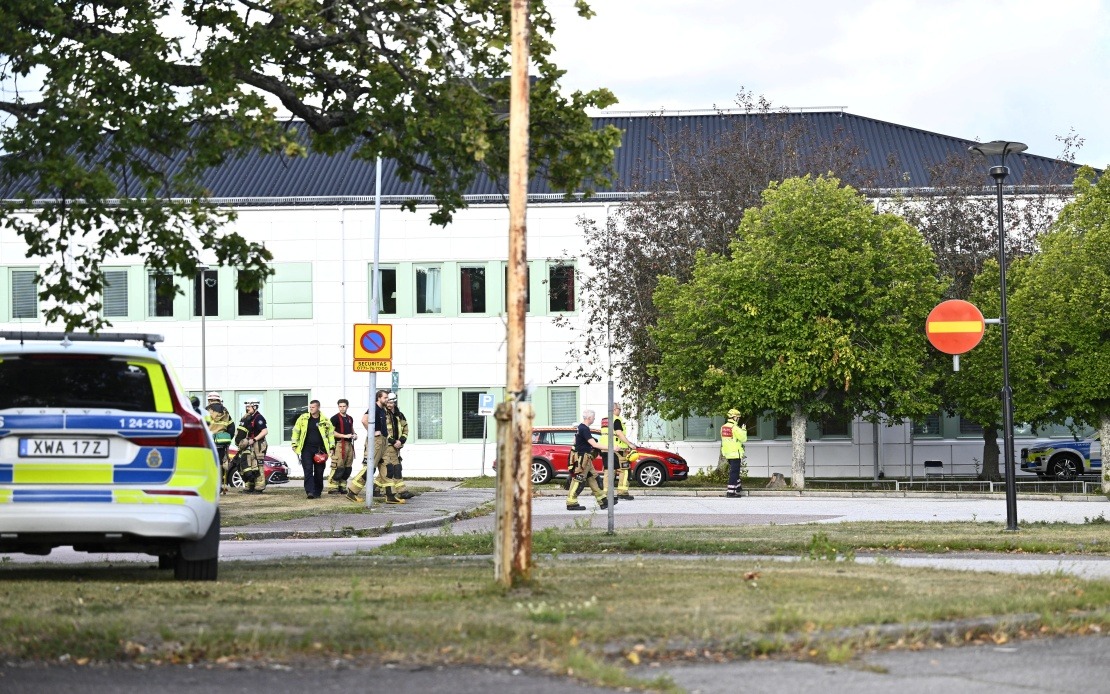
A violent incident involving a sword-wielding attacker has left one person dead and several others wounded at Brinell School in the central Swedish town of Fagersta. Emergency services and police responded to the scene shortly after 2.06 pm local time following an emergency call from the school, according to information released by Fagersta Municipality. The attack underscores ongoing concerns about school safety across Scandinavia and Northern Europe, where such incidents, while relatively rare, carry significant public impact.
Two teenage boys, both under 18 years of age, sustained serious injuries during the incident and were transported to medical facilities where they remain in stable condition despite the severity of their wounds. A third individual suffered minor injuries in the chaos that followed the assault. The specific circumstances surrounding how the attacker gained entry to the school and the duration of the incident remain under active police investigation. Authorities have not yet disclosed details about the fatality or confirmed the identity of the deceased.
Police have detained an 18-year-old suspect in connection with the attack. According to Swedish public broadcaster SVT, the individual is a former student of Brinell School and has been linked to multiple addresses within Fagersta. The fact that the perpetrator has a prior connection to the school raises questions about security protocols and whether warning signs were missed. Swedish law enforcement has not indicated whether there were any previous incidents or concerns involving the suspect that might have triggered preventive measures.
Immediate safety precautions were implemented across the municipality following the attack. Authorities placed seven educational and recreational facilities under lockdown, including Olympen, Fagerstahallen, Risbroskolan, Skogsglantan, Bjorksta, Prastkragen, and Norrbybacken. The widespread lockdown was a standard precautionary measure to ensure no further threat existed and to allow police to conduct their investigation without disruption. Parents in the area scrambled to collect their children, creating significant anxiety within the community as details of the incident emerged.
Swedish Justice Minister Gunnar Strommer confirmed that the government is monitoring the situation closely and maintaining direct communication with law enforcement agencies. In a statement, Strommer indicated that police had arrived at the scene and were working intensively to investigate the circumstances of the attack and gather evidence. He emphasized that the government would remain engaged with police operations and would receive continuous updates about developments as the investigation progressed.
The attack in Fagersta reflects broader security challenges facing educational institutions across Europe. Swedish schools, like many in the Nordic region, have generally maintained relatively open campuses that prioritize accessibility while maintaining reasonable security measures. This incident may prompt a broader review of school safety protocols not only in Fagersta but potentially across the nation. Education authorities will likely face questions about what safeguards are in place to identify and intervene with individuals who may pose risks to school communities.
For Malaysian observers, the incident serves as a reminder of how school violence manifests differently across different societies. While Sweden's incident occurred in a relatively low-violence context compared to many nations, it demonstrates that no country is entirely immune to such tragedies. The swift response from Swedish authorities and the government's transparency in addressing the incident contrast with varying approaches taken in other regions and highlight the importance of clear crisis management protocols.
The psychological impact on the Fagersta community will likely be profound and prolonged. Survivors of such incidents often experience trauma that requires specialized mental health support. Swedish authorities will need to coordinate counseling services for affected students, families, and school staff. The incident may also influence public discourse about youth mental health, access to weapons, and early intervention strategies for individuals showing signs of violent behavior.
As investigations continue, police will focus on establishing a clear timeline of events, determining motive, and analyzing any statements made by the suspect. The involvement of a former student suggests personal grievances may have played a role, though this remains speculative until official findings are released. The availability and regulation of swords and similar weapons in Sweden may also come under scrutiny as policymakers consider whether existing laws adequately restrict access to potential instruments of violence.
The incident represents a significant event within Sweden's relatively peaceful society and will likely generate important discussions about prevention, response, and community resilience. For neighboring nations and the broader European context, it underscores the necessity of comprehensive approaches to school safety that balance security with maintaining open, welcoming educational environments where students feel secure and supported in their development.

