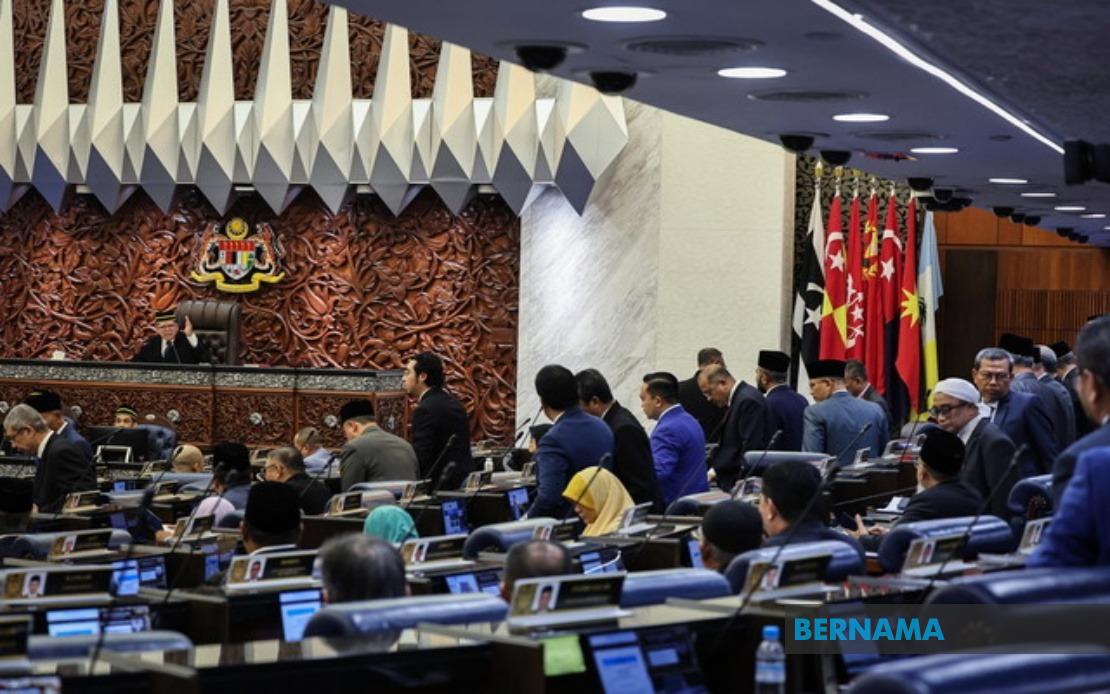
Opposition Members of Parliament abandoned the Dewan Rakyat chamber on August 11 in protest over a special sitting on the Lembaga Tabung Haji management and operations Royal Commission of Inquiry. The lawmakers refused to participate in a ministerial briefing scheduled during the session, citing their objection to the Parliament Speaker's decision to allow the sitting to proceed without Prime Minister Datuk Seri Anwar Ibrahim in attendance.
The timing of the walkout reflected broader tensions within Malaysian politics regarding parliamentary oversight and the conduct of inquiries into sensitive matters of public concern. The Tabung Haji RCI report had drawn significant attention, given the institution's importance to Muslim Malaysians and its history of governance challenges. By staging this coordinated departure, the opposition signaled that the credibility and legitimacy of such briefings depend on the full presence of senior leadership, particularly the Prime Minister whose government bears ultimate accountability for such matters.
Dewan Rakyat Speaker Tan Sri Johari Abdul responded to the exodus with pointed remarks aimed at both the departing parliamentarians and those remaining. In his address, he emphasized that the public was observing how lawmakers conducted themselves, framing the session as a test of legislators' commitment to important national issues. His decision to permit the opposition members to leave without obstruction, while inviting those who stayed to continue with business, effectively divided the chamber along partisan lines. The Speaker's tone suggested frustration with what he viewed as political grandstanding rather than genuine engagement with substantive governance matters.
The briefing proceeded with Minister in the Prime Minister's Department (Religious Affairs) Dr Zulkifli Hasan presenting the findings and recommendations. His continuation of the session despite the opposition departure meant that the government's perspective on the RCI findings was heard by supporters and remained on the parliamentary record, even as critics absented themselves. This scenario created a fragmented debate in which the committee's findings and official government response received minimal cross-examination from opposition lawmakers.
Perikatan Nasional opposition chief whip Datuk Seri Takiyuddin Hassan had earlier proposed postponing the special sitting entirely, citing the concurrent medical treatment of both Prime Minister Anwar Ibrahim and Deputy Prime Minister Datuk Seri Fadillah Yusof. His motion highlighted questions about whether major parliamentary briefings should proceed when top government figures are unavailable. The proposal implicitly challenged the parliamentary convention that such sessions require presence of key decision-makers to permit meaningful dialogue and accountability.
The absence of these two senior figures raised practical questions about the briefing's utility as a forum for accountability. Without the Prime Minister present to address questions or provide strategic context on government responses to the RCI findings, lawmakers questioned whether the exercise constituted genuine parliamentary scrutiny or merely a procedural formality. This reflected deeper tensions in Malaysian politics about whether parliament functions as a genuine oversight body or increasingly as a venue for announcements with limited interactive substance.
Tabung Haji's governance history has troubled policymakers and observers for years, with various investigations preceding this RCI. The institution's importance to Muslim Malaysians' financial security and pilgrimage funding arrangements meant that any inquiry findings carried significant public interest implications. The way parliament handles such reports—whether through robust debate or reduced engagement—therefore matters considerably for public confidence in both the inquiry process and parliamentary oversight itself.
The opposition's walkout, while dramatic, represented a calculated political statement rather than spontaneous dissent. By collectively departing, opposition MPs indicated that the government's handling of the session—proceeding without the Prime Minister—demonstrated insufficient respect for parliamentary seriousness. Whether this stance resonates with constituents or appears obstructionist depends heavily on how Malaysian voters view parliamentary convention and the appropriate calibration of oversight processes.
This incident illustrates ongoing friction between Malaysia's government and opposition over parliamentary procedure and the standards expected for serious business. Both sides make defensible arguments: the government's position that parliament should not halt critical business merely due to temporary absences of two leaders, versus the opposition's view that major inquiries warrant full institutional engagement. These tensions will likely persist as parliament navigates balancing operational continuity with adequate representation in important deliberations.
For Malaysian observers and regional analysts, the walkout underscores continued polarization in parliament and questions about whether Malaysia's legislature functions effectively as a unified deliberative body. The incident also highlights how institutional conflicts can impede substantive examination of matters affecting ordinary citizens. As Tabung Haji faces ongoing scrutiny over its investment performance and governance structures, the parliament's ability to conduct serious, inclusive oversight remains essential for rebuilding public trust in both the institution and the legislative process itself.

