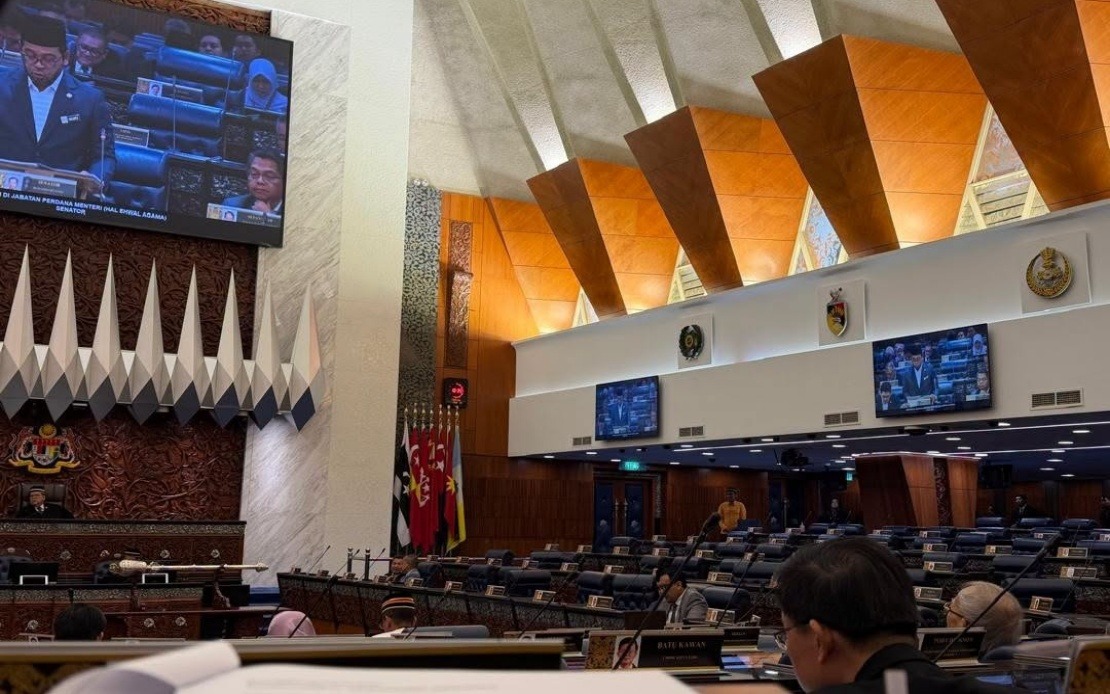
A parliamentary walkout by opposition members during a special Dewan Rakyat session dedicated to examining the Royal Commission of Inquiry findings on Tabung Haji has drawn sharp criticism from government ranks, with the MADANI Government Backbenchers Club chairman asserting that the boycott revealed a lack of serious engagement with matters affecting Muslim depositors' financial security. Datuk Seri Dr Zaliha Mustafa, who chairs the backbenchers' club and represents Sekijang, took to social media to challenge what she characterised as the opposition's hollow rhetoric about protecting Islamic institutions and Muslim welfare.
The controversy emerged during proceedings when opposition MPs departed en masse before Minister in the Prime Minister's Department for Religious Affairs Dr Zulkifli Hasan could deliver his briefing on the RCI report's conclusions. Opposition leaders had objected to Speaker Tan Sri Johari Abdul's determination to proceed with the session despite the absence of Prime Minister Datuk Seri Anwar Ibrahim and Deputy Prime Minister Datuk Seri Fadillah Yusof, both receiving medical treatment. Perikatan Nasional chief whip Datuk Seri Takiyuddin Hassan had earlier moved to postpone the sitting, citing these absences as problematic, though the Speaker elected to continue.
Dr Zaliha's intervention highlights a broader tension within Malaysia's parliament regarding opposition responsibility and engagement with government initiatives. She contended that opposition parliamentarians had positioned themselves as champions of Islam and Muslim interests throughout numerous preceding debates, yet when Parliament specifically created space for them to interrogate, refute, and deliberate upon each aspect of the RCI's conclusions, they abandoned the chamber. This juxtaposition formed the crux of her argument: if the opposition truly prioritised transparency and accountability in Islamic financial institutions, they possessed a unique opportunity to demonstrate this commitment through robust parliamentary scrutiny.
The Tabung Haji matter carries particular significance for Malaysian governance because the institution holds approximately 8.8 million accounts and substantial accumulated funds from Muslim depositors, predominantly pilgrims and ordinary savers from lower to middle-income backgrounds. An RCI was established following public concerns about the fund's management and performance, meaning the report's findings and subsequent government response carry direct implications for millions of Malaysian families' financial wellbeing. Against this backdrop, the opposition's departure from parliamentary proceedings takes on additional weight—it represents a withdrawal from direct engagement with conclusions affecting vulnerable constituencies.
Dr Zaliha emphasised that opposition MPs should have utilised parliamentary mechanisms to challenge whatever RCI findings they disputed, whether to defend particular parties or present alternative interpretations supported by evidence and logical argumentation. Parliament provides an institutional framework designed precisely for such adversarial scrutiny and policy debate. The minister would have been present to defend government positions, and the recorded hansard would create a permanent public record of all exchanges, lending legitimacy and transparency to the proceedings. Walking away, she suggested, forfeited these advantages.
The government backbencher's statement contained a pointed question directed at opposition supporters and the broader Malaysian electorate: if opposition MPs chose to absent themselves when confronting factual claims about Tabung Haji in Parliament, what did they genuinely want from this exercise? The implication was that the opposition's priorities might lie elsewhere than substantive policy engagement, perhaps in symbolic protest or avoiding difficult defences. This framing represents a rhetorical strategy common in Malaysian politics—questioning opponents' sincerity when their actions diverge from stated principles.
Several analytical observations emerge from this parliamentary episode. First, it demonstrates ongoing tensions within Malaysia's coalition politics, particularly between the government's MADANI bloc and opposition Perikatan Nasional over parliamentary procedure and the legitimacy of proceeding without senior executive figures. Second, it illustrates how disagreements over procedural matters—whether a sitting should proceed in the prime minister's absence—can escalate into boycotts that prevent substantive policy discussion entirely. Third, the episode reveals the gap between opposition politicians' public messaging about institutional accountability and their tactical choices in parliament itself.
For Malaysian citizens and regional observers, the Tabung Haji RCI represents one of the more consequential institutional reviews in recent years, given the fund's role in Islamic financial ecosystems across Southeast Asia and its symbolic importance within Malaysian Muslim society. The walkout therefore carries implications beyond immediate parliamentary theatre: it represents a lost opportunity for detailed public interrogation of how one of the region's major Islamic financial institutions should be reformed or restructured. Future depositors and current account holders might reasonably expect their elected representatives to engage intensively with conclusions affecting their savings and pilgrimage plans.
Dr Zaliha concluded her statement by reiterating that opposition parliamentarians claiming genuine commitment to Muslim interests should have remained in the chamber to scrutinise the report rigorously and debate specific contested points. The performance of this duty, she implied, mattered more than staging external protests. She further characterised the walkout as particularly disappointing precisely because parliament was examining management and stewardship of Tabung Haji depositors' funds—a governance matter of genuine substance rather than peripheral political positioning.
The broader context shaping this dispute includes Malaysia's complex political landscape following recent electoral shifts and coalition realignments. The MADANI government, formed from Pakatan Harapan, GPS, and various independent and Bumiputera parties, faces constant scrutiny from opposition blocs. Parliamentary procedures and institutional norms have become zones of contestation where political actors contest both substantive policies and the frameworks through which those policies are debated and decided. The Tabung Haji RCI presentation became another flashpoint within this larger struggle for parliamentary influence and narrative control.
Moving forward, the episode suggests that Malaysia's parliamentary culture continues grappling with questions about how opposition and government constructively engage with major policy matters during periods of political division. While robust opposition is healthy for democratic governance, walkouts and boycotts eliminate opportunities for detailed, recorded, and public scrutiny that could benefit affected citizens and strengthen institutional legitimacy. Whether opposition MPs' procedural objections were justified or their substantive disagreements with the RCI significant, their departure prevented the kind of intensive parliamentary examination that complex financial institution reform typically requires.

