A new financial benefit has been extended to over 1,100 student volunteers serving in the Civil Defence Student Corps, with the first payments rolling out this month following government approval of an allowance scheme designed to recognise their contributions to public safety. The 1,107 cadets enrolled across 36 higher learning institutions nationwide represent the initial cohort to benefit from this initiative, which reflects a broader commitment to improving conditions for young people engaged in civil defence and emergency response activities.
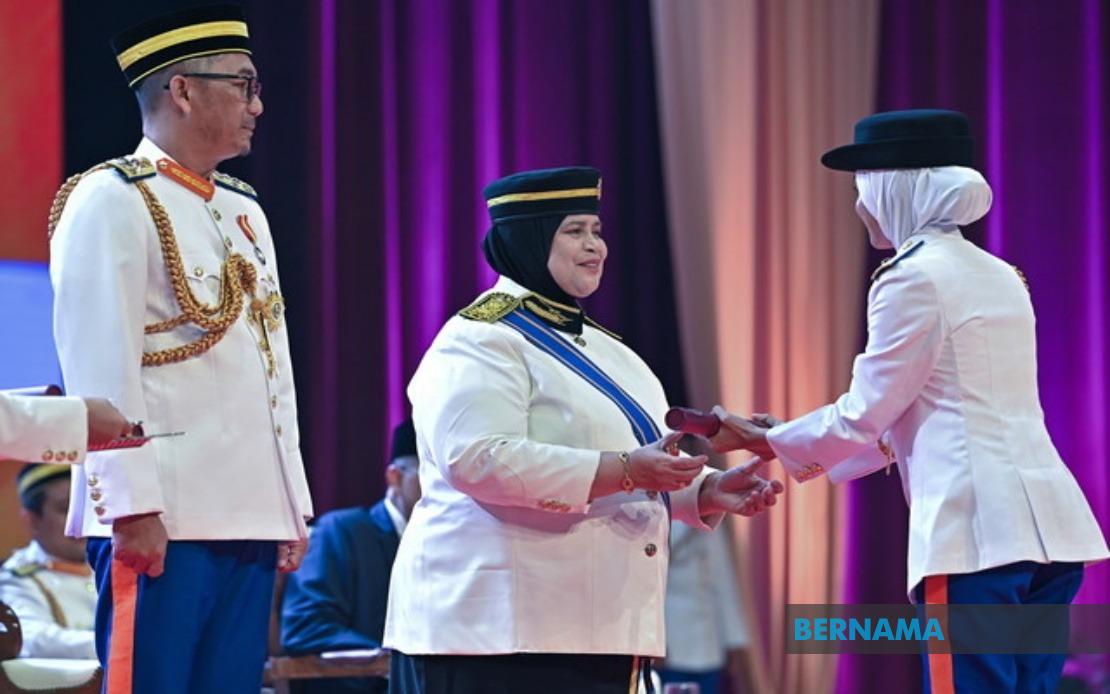
Deputy Minister of Rural and Regional Development Datuk Rubiah Wang announced the development at the 17th National Kor SISPA Commissioning Ceremony held at Universiti Pendidikan Sultan Idris in Tanjong Malim, underscoring that the rollout constitutes tangible progress in translating long-standing discussions into concrete policy outcomes. Representing Deputy Prime Minister Datuk Seri Dr Ahmad Zahid Hamidi at the event, Rubiah emphasised that moving welfare concerns from the planning stage into implementation represents a watershed moment for the organisation, which has historically operated on a largely voluntary basis.
The allowance structure reflects differentiation based on educational qualifications and work performed. Bachelor's degree holders will receive RM9.80 per hour for their duties, while diploma holders will earn RM8 per hour, with payments calculated according to actual hours contributed to Civil Defence activities. This tiered approach recognises varying levels of expertise and responsibility whilst maintaining affordability within the initial budget allocation of approximately RM500,000 for the first phase of implementation.
Government planners have deliberately structured the rollout in phases to manage expenditure carefully whilst establishing a sustainable funding mechanism. Rather than attempting universal coverage immediately, the phased approach allows policymakers to assess programme effectiveness, gather feedback from initial recipients, and identify opportunities to expand benefits over time as fiscal capacity permits. Rubiah indicated that the administration remains committed to exploring additional financial avenues that would eventually enable more Kor SISPA members to participate in the allowance scheme.
The allowance initiative addresses long-standing concerns about incentivising tertiary student participation in civil defence work, which operates alongside regular academic commitments. By offering modest hourly compensation, the scheme aims to attract and retain engaged young volunteers who might otherwise prioritise paid part-time employment or focus exclusively on studies. For many students balancing financial constraints with civic responsibility, even modest hourly rates can meaningfully offset opportunity costs associated with volunteering time.
Civil Defence work extends considerably beyond disaster response, encompassing year-round engagement with community safety, university campus security cooperation, and participation in institutional events and activities. Rubiah's remarks highlighted that cadets contribute substantially during non-emergency periods, suggesting their work deserves recognition beyond recognition ceremonies or certificates. This framing positions the allowance as compensation for genuine labour rather than merely a token gesture or honorific benefit.
Kor SISPA's institutional history demonstrates significant growth and maturation since its establishment in 2010 as a structured programme across universities and teacher training colleges. The organisation has graduated 11,802 members to date, creating a substantial alumni network within Malaysia's civil defence and public safety ecosystem. These graduates increasingly occupy positions where their cadet experience provides valuable grounding in emergency protocols, organisational discipline, and community service orientation.
The timing of this allowance initiative reflects broader governmental emphasis on youth engagement and welfare. With Malaysia facing recurring natural disasters including flooding and landslides alongside pandemic-related health emergencies, investing in trained volunteer cadres becomes strategically important. The allowance scheme signals recognition that sustaining civil defence capacity requires moving beyond rhetoric about national service toward material support for those who commit time to such work.
Regional implications merit consideration as other Southeast Asian nations contend with similar disaster vulnerability and resource constraints in emergency response systems. Malaysia's approach to formalising volunteer compensation through modest hourly rates may prove instructive for neighbouring countries developing their own civil defence institutional capacity. The model demonstrates that governments can acknowledge volunteer contributions without necessarily creating full-time paid positions, offering a scalable middle path between purely voluntary systems and expensive professional-only approaches.
The next commissioning ceremony is scheduled for Universiti Sultan Zainal Abidin next year, indicating continued programme expansion and institutionalisation across Malaysia's higher education landscape. This forward momentum suggests the allowance scheme may serve as precedent for addressing welfare concerns across other government-sponsored student volunteer programmes, potentially extending beyond civil defence into areas like environmental conservation, community development, or public health initiatives.
For current Kor SISPA members, the allowance represents validation of their work and modest financial recognition of time invested in public service. For prospective cadets, it removes one barrier to participation by offsetting opportunity costs of volunteer engagement. More broadly, the initiative reflects evolving governmental perspective on youth involvement in national resilience building, transitioning from inspirational appeals to material support structures that sustain long-term participation and commitment.

