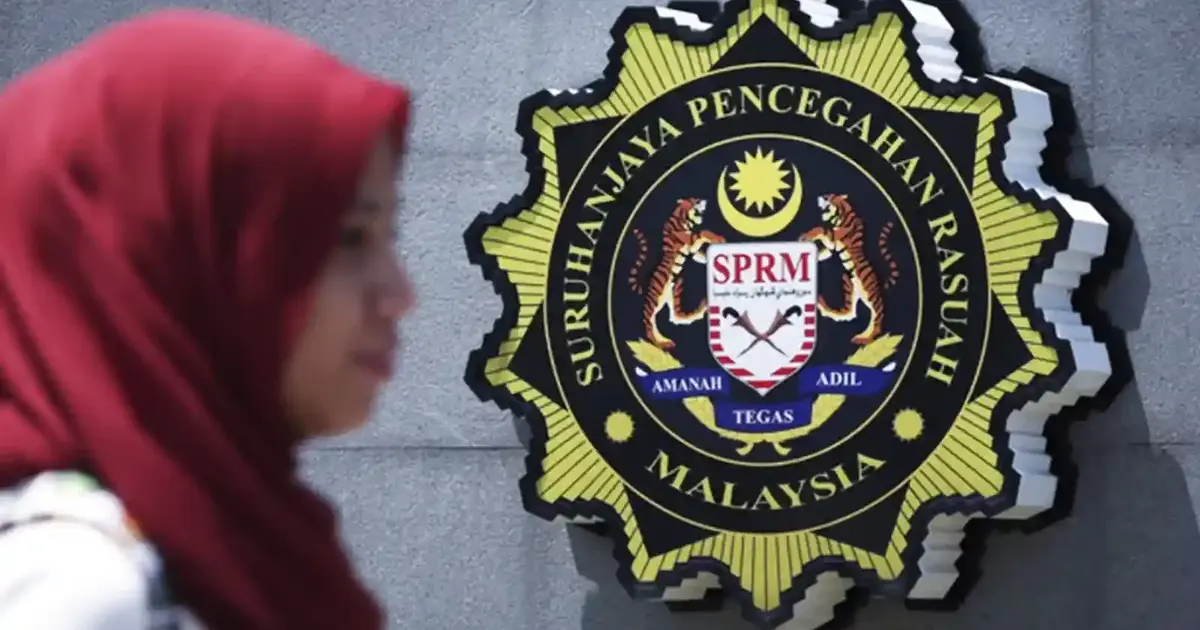
The Malaysian Anti-Corruption Commission has signalled an intensified enforcement campaign against individuals suspected of submitting false claims to the Social Security Organisation, Perkeso, with over 100 people expected to face charges across the nation. This coordinated legal action represents one of the largest crackdowns on benefit fraud in recent years and underscores growing concerns about the integrity of Malaysia's social safety net system.
As of the time of announcement, 29 suspects have already been formally charged in various states, marking the initial phase of what authorities describe as a comprehensive nationwide investigation. The breadth of the operation suggests the fraud may be more systemic than previously acknowledged, with alleged perpetrators operating across multiple jurisdictions and potentially targeting different Perkeso benefit schemes.
Perkeso, Malaysia's mandatory social security provider for private sector employees, offers numerous benefit schemes including disability assistance, survivor benefits, and workplace injury compensation. The false claims detected appear to have exploited these programmes through fraudulent applications, misrepresentations, or collusion with officials. Such schemes divert limited public resources from genuine claimants who depend on these payments for their livelihoods, particularly vulnerable workers and their dependents.
The investigation's scope and the large number of anticipated charges indicate that MACC has been conducting extensive forensic work to identify patterns, trace financial flows, and establish evidence against individual perpetrators. The phased charging approach allows investigators to secure convictions while continuing parallel enquiries into alleged coordinators or organisers of broader fraud networks. This methodology is typical of sophisticated corruption probes targeting systemic abuse rather than isolated incidents.
For Malaysian readers, this development carries significance beyond the immediate criminal proceedings. It highlights the vulnerability of social security systems to exploitation and raises questions about the adequacy of internal controls within Perkeso. The organisation's ability to detect fraud and cooperate with law enforcement will influence public confidence in claims processing and the reliability of benefit payments for legitimate recipients.
Regionally, Malaysia's approach mirrors efforts by other Southeast Asian governments to combat welfare fraud as social security schemes expand. Countries including Indonesia and the Philippines have faced similar challenges as benefit programmes grow. The MACC operation demonstrates that dedicated anti-corruption enforcement, when properly resourced, can identify and prosecute fraudsters who exploit public systems intended to protect workers and their families.
The prosecutions are also significant for workplace relations and employment standards. When fraudulent claims proceed unchecked, they inflate costs that employers and workers ultimately bear through insurance contributions and premiums. Legitimate claims can face greater scrutiny as administrators become defensive, potentially creating barriers for genuine beneficiaries to obtain entitlements. This dynamic makes fraud detection essential to maintaining the social security system's integrity and efficiency.
Authorities have not disclosed details about whether the suspects acted individually or whether some orchestrated larger schemes. The distinction matters because organised fraud networks require different enforcement strategies and carry graver implications for systemic reform. If the investigation reveals collusion with Perkeso administrators or intermediaries, this would necessitate internal disciplinary actions and potential restructuring of claims verification processes.
The announcement also reflects resource allocation priorities within Malaysia's law enforcement apparatus. The MACC's focus on Perkeso fraud, simultaneous with other high-profile investigations, suggests senior leadership has deemed benefit system integrity a pressing national concern. This signals to the public and potential wrongdoers that exploiting social security schemes carries real risk of prosecution and imprisonment.
Moving forward, the outcomes of these prosecutions will likely influence policy discussions around Perkeso's governance and fraud prevention mechanisms. Conviction of significant numbers of perpetrators may justify investment in improved verification systems, enhanced staff training, or updated procedures for handling applications. Conversely, if prosecutions reveal systemic vulnerabilities, policymakers may face calls for more fundamental reforms to how claims are assessed and authorised.
The timing of the enforcement drive also merits consideration. As Malaysia works toward stronger governance standards and reduced corruption perceptions, tackling fraud within essential services demonstrates commitment to that agenda. Successfully prosecuting over 100 suspects and recovering misappropriated funds would represent a tangible achievement in anti-corruption efforts that directly affects ordinary workers' welfare.
For employers and compliant workers who contribute to Perkeso, the message is clear: fraudulent claims will be investigated and pursued vigorously. This should reinforce legitimate use of the system and discourage collusion or submission of false documentation. As the investigation progresses and charges proceed through the courts, each conviction will serve as a deterrent against future attempts to exploit public social security resources.

