The 16th Negeri Sembilan state election will see a significant turnout of uniformed personnel casting their ballots ahead of the official polling day, with over 22,000 members of the Royal Malaysia Police and Malaysian Armed Forces eligible to vote early on July 28. This substantial bloc of security force voters reflects the longstanding practice of allowing uniformed services advance voting rights due to their operational commitments during election periods. The total figure of 22,339 comprises 5,455 PDRM officers and personnel from across Negeri Sembilan, complemented by 16,884 ATM personnel and their spouses who have qualified for the early voting window.
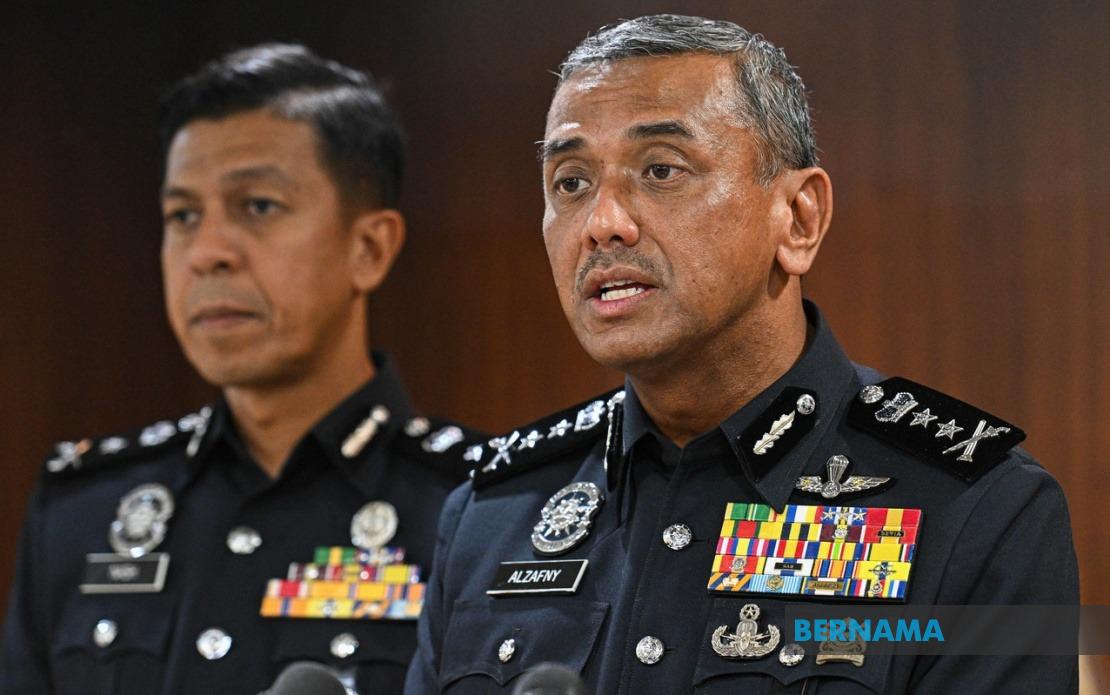
Negeri Sembilan police chief Datuk Alzafny Ahmad outlined the security arrangements governing the electoral process, disclosing that approximately 1,796 officers and personnel will be stationed across designated zones specifically to oversee early voting operations. The deployment strategy reflects the police force's comprehensive involvement throughout the electoral calendar, beginning with nomination day this coming Saturday when 2,393 personnel will be on duty at respective polling stations and administrative centres. The security footprint will expand further during the campaign period, with 1,685 personnel maintaining order and ensuring compliance with electoral regulations, before the full mobilisation of 4,788 personnel on the main polling day on August 1.
The staggered security deployment underscores the intricate logistical coordination required to manage elections across a state with diverse demographic and geographical considerations. By distributing personnel across multiple phases, authorities can concentrate resources during critical junctures while maintaining baseline security presence throughout. For Malaysian voters, this layered approach signals the government's intention to maintain electoral integrity and prevent disruptions that could undermine public confidence in the democratic process. The significant police presence also reflects historical lessons learned from past electoral events and contemporary security assessments within the state.
Datuk Alzafny issued direct appeals to all registered candidates and political party organisations contesting the election, emphasising that supporter behaviour during the campaign period would be subject to close monitoring and scrutiny. He stressed that political affiliations must not translate into uncontrolled street activities, unauthorised public gatherings, or demonstrations that could disrupt public order or alienate segments of the electorate. This guidance carries particular weight in a state like Negeri Sembilan, where urban and rural constituencies coexist and where electoral contests have occasionally generated passionate community responses.
The police chief specifically highlighted the prohibition against spreading misinformation, defamatory statements targeting political opponents, and hate speech—offences that have become increasingly prevalent in digital spaces during recent election cycles across Malaysia. The warnings extend explicitly to social media content, recognising that campaign messaging no longer confined to traditional rallies or print media but now proliferates across Facebook, WhatsApp, TikTok and other platforms where fact-checking and editorial oversight remain minimal. Political organisations have shown variable commitment to policing their own supporter networks, making police enforcement a critical backstop against inflammatory content.
Particularly significant is the police emphasis on protecting discourse related to religion, race, and the Royal Institution—the so-called 3R framework that Malaysian law treats as especially sensitive. Candidates and supporters have been explicitly warned that political speeches, campaign materials, media statements, and social media posts cannot weaponise religious identity, stoke ethnic tensions, or diminish respect for constitutional monarchy. This protective stance reflects Malaysia's constitutional compact, which acknowledges that electoral competition must operate within boundaries that safeguard communal harmony and institutional legitimacy. Violations can attract legal consequences ranging from police investigations to court proceedings under the Sedition Act or Communications and Multimedia Act.
Datuk Alzafny's appeal for mature acceptance of electoral outcomes addresses a persistent challenge in Malaysian politics—the phenomenon of losing candidates or parties contesting results through public protests rather than formal legal channels. He called on all participants to respect the Election Commission's official announcement and, should disputes arise, to pursue remedies exclusively through established courts and administrative procedures. This messaging particularly matters for state elections like Negeri Sembilan's, where closely contested seats in recent years have generated recrimination and where community trust in institutions remains variable across different constituencies.
The election timeline reflects the standard Malaysian model, with nomination day on Saturday establishing the final roster of candidates, followed by the early voting window on July 28 specifically accommodating security personnel and others with legitimate scheduling conflicts, and culminating in the public polling day on August 1. This compressed schedule—spanning barely two weeks from nominations to final results—compresses the campaign period and tests candidates' ability to reach voters efficiently. For voters in Negeri Sembilan, the early voting option for security forces will marginally reduce queuing pressures on August 1, though early voting turnout among eligible personnel historically varies.
The Election Commission's decision to enable early voting for uniformed personnel reflects practical acknowledgment that police, military, and other security service members face deployment schedules that may conflict with standard polling times. By facilitating advance balloting, the system ensures these citizens can exercise franchise rights without abandoning operational duties. This accommodation has become routine in Malaysian electoral practice and remains non-controversial, as both government and opposition candidates benefit equally from the arrangement.
For Malaysian voters and political observers, the Negeri Sembilan election serves as a significant indicator of public sentiment given the state's demographic diversity and its historical role as a swing region in national politics. The deployment of over 22,000 security force voters, combined with intensive police oversight of the campaign period, demonstrates state commitment to conducting a transparent and secure electoral exercise. However, the emphasis on controlling political behaviour and restricting campaign speech within 3R parameters also reflects ongoing tensions between democratic competition and constitutional safeguards that Malaysia continues navigating. The outcome in Negeri Sembilan will provide insights into whether current electoral management frameworks effectively balance these competing imperatives while maintaining public confidence in democratic processes.

