The Negeri Sembilan state election is gathering momentum as security forces and their families prepare for early voting tomorrow, with the Election Commission mobilising 38 dedicated polling centres across the state to accommodate over 22,000 eligible voters. The sizeable participation of military and police personnel reflects the logistical complexity of conducting a state election whilst maintaining security operations across the nation, a consideration that has become standard practice in Malaysian electoral administration.
The breakdown of early voters reveals a significant military contingent: 16,884 personnel from the armed forces and their spouses will be voting, whilst 5,455 police officers and their family members are also registered for the advance ballot. This distribution underscores the substantial defence and law enforcement presence within Negeri Sembilan, particularly given the state's geographical significance and proximity to Kuala Lumpur. The early voting mechanism allows these essential service personnel to fulfil their democratic duty without compromising security operations or leaving posts unmanned during the critical election period.
All 38 early polling centres will commence operations simultaneously at 8 am tomorrow, though closing times will vary depending on individual venue arrangements and anticipated voter turnout. The locations selected for early voting reflect the geographic spread of military and police installations throughout the state. Prominent centres include the Army Basic Training Centre in Port Dickson, the state police headquarters at Sendayan, the Sendayan Air Base, and the Nilai District Police Headquarters, each strategically positioned to serve their respective catchment areas efficiently. This decentralised approach minimises travel time for voters while ensuring adequate polling infrastructure.
Weather considerations may influence turnout patterns, with the Malaysian Meteorological Department forecasting divergent conditions across the state. Port Dickson residents and voters can expect heavy rain and thunderstorms throughout the morning, potentially complicating access to polling stations in that region. Most other areas should remain relatively clear during morning hours, providing a favourable window for voting before afternoon conditions deteriorate. MetMalaysia has predicted heavy rainfall affecting almost the entire state by afternoon, suggesting that morning voters will face more manageable weather conditions than those voting later in the day.
The 16th Negeri Sembilan state election, with polling day scheduled for August 1, has activated an unusually competitive landscape with 103 candidates contesting the 36 available state seats. The dissolution of the State Legislative Assembly on June 5 triggered this electoral exercise, setting a compressed timeline that has necessitated careful coordination of the voting process. The early voting window demonstrates the Election Commission's commitment to facilitating participation across all eligible demographics without disrupting the normal electoral calendar.
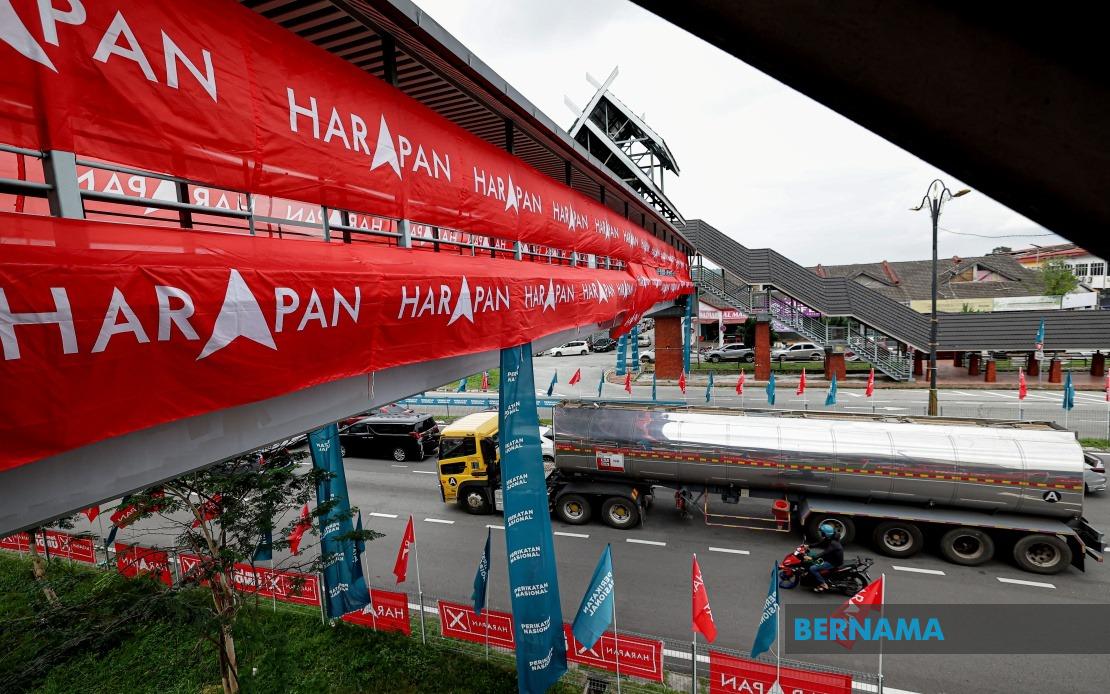
Pakatan Harapan has mounted an ambitious campaign with candidates in all 36 constituencies, divided between PKR's 16 nominees, DAP's 11 representatives, and Amanah's nine candidates. This coalition strategy reflects confidence in securing multiple seats across the state, with a particular focus on urban and semi-urban constituencies where these parties have traditionally performed strongly. The comprehensive slate suggests PH views Negeri Sembilan as contested terrain where strategic presence in every seat matters for momentum and voter engagement.
Barisan Nasional has adopted a more selective approach, contesting only 25 of the 36 seats through a coalition structure that includes 16 UMNO candidates, seven from MCA, and two from MIC. This partial slate may reflect either strategic concentration on winnable seats or ongoing negotiations about seat allocations within the traditional ruling coalition. The reduced footprint compared to PH suggests either confidence in targeted victories or acceptance of electoral headwinds in certain constituencies.
Perikatan Nasional's challenge to the political status quo involves 11 candidates spanning PAS, Wawasan, Gerakan, and MIPP, positioning the coalition as a significant but secondary force in the state's electoral equation. Meanwhile, Bersatu has adopted an independent strategy with 24 candidates, representing a major wildcard element in what was traditionally a two-coalition contest. This fragmentation of the opposition vote could create unpredictable outcomes in closely fought constituencies, where vote-splitting between PN, Bersatu, and smaller parties may allow PH or BN candidates to win with reduced vote shares.
Smaller parties including ASLI, PSM, and Berjasa are contesting limited seats, with Berjasa fielding seven candidates and both ASLI and PSM running single nominees. These minor players inject additional complexity into the electoral mathematics, potentially influencing outcomes in marginal seats where their combined votes might exceed winning margins. The 103-candidate field reflects heightened political contestation in Negeri Sembilan compared to previous electoral cycles, suggesting voter engagement across multiple ideological and organisational bases.
For Malaysian observers, the Negeri Sembilan election serves as a significant indicator of political momentum ahead of any anticipated national electoral contest. The state has historically swung between BN and opposition coalitions, making it a genuine bellwether for broader political trends. Early voting participation rates among security personnel may also signal enthusiasm or apathy within this traditionally important voter segment, offering insights into potential behaviour patterns during the general election cycle.
The careful orchestration of early voting demonstrates the Election Commission's technical capacity and commitment to inclusive democratic processes, even as it manages the practical challenges of conducting elections across a diverse state. The August 1 polling day will reveal whether the fragmented opposition vote and expanded candidate field produce unexpected outcomes, and whether early voting participation translates into broader turnout across the general population.

