The Parti Pesaka Bumiputera Bersatu Sarawak (PBB) is preparing to convene its Central Zone Special Convention on July 26 at the Sibu Indoor Stadium, with organisers anticipating the attendance of more than 3,000 delegates representing 24 branches across the region. The gathering marks a significant political event in Sarawak's calendar and represents the first of several zonal conventions planned for the party before year's end.
According to PBB secretary-general Datuk Seri Alexander Nanta Linggi, the central zone convention will precede similar events scheduled for the southern, Betong, and northern zones. The sequential rollout of these regional conventions suggests a coordinated national strategy for the party, allowing leadership to address grassroots members with consistent messaging while accommodating the distinct priorities and concerns of different geographical constituencies within Sarawak.
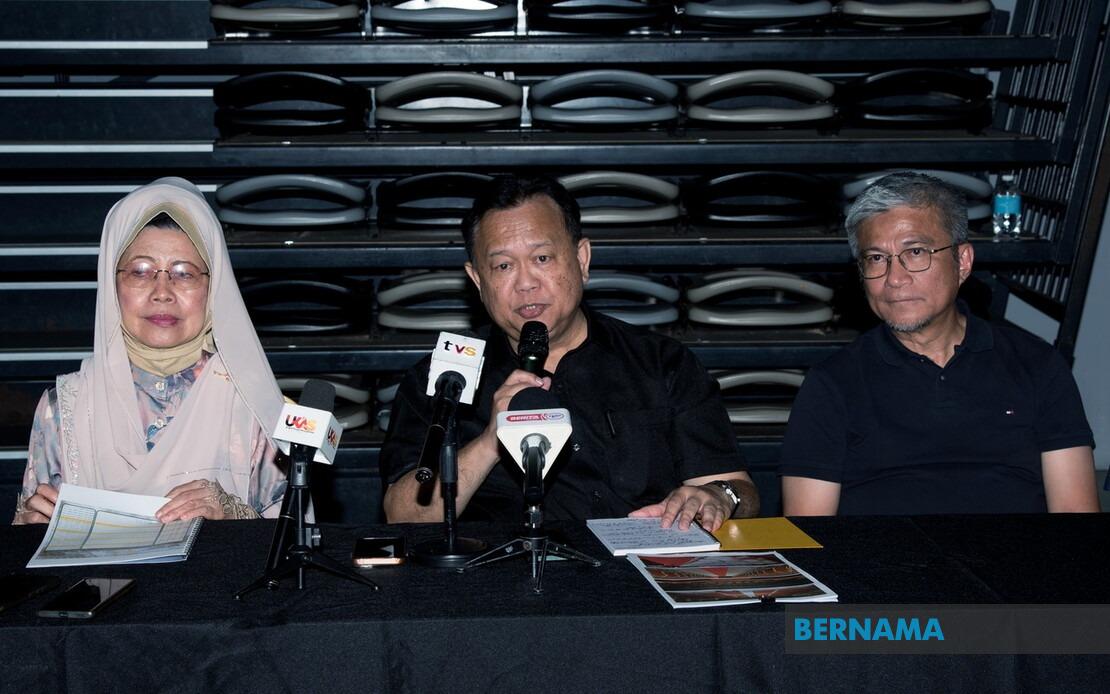
Preparations are well underway, with the party's organising committee having convened specifically to fine-tune logistical arrangements and operational protocols for the Sibu gathering. Datuk Seri Alexander Nanta Linggi emphasised that meticulous coordination would be essential to ensure the event proceeds without disruption, given the substantial number of participants expected and the complexity of managing such a large assembly.
The convention's agenda reflects contemporary policy concerns facing Sarawak and Malaysia more broadly. A dedicated presentation on the Malaysia Agreement 1963 (MA63) will feature prominently, underscoring ongoing discussions about constitutional arrangements and the state's constitutional position within the federation. MA63 remains a contentious and significant subject in Sarawak politics, with various stakeholder groups consistently advocating for clearer implementation and interpretation of its provisions.
Complementing the constitutional focus, organisers have scheduled presentations addressing the Post COVID-19 Development Strategy 2030 (PCDS 2030). This economic and social recovery framework reflects the state and national government's commitment to building resilience and sustainable growth in the pandemic's aftermath, a concern that resonates particularly with business leaders and development-focused constituencies across the state.
Beyond these headline topics, the convention will encompass a broad spectrum of political matters relevant to party members and the wider electorate. Such forums typically provide opportunities for delegates to voice concerns, propose motions, and engage in substantive debate about policy direction and party positions on pressing issues.
Sarawak Premier Tan Sri Abang Johari Tun Openg, who concurrently serves as PBB president, will officiate the convention and deliver a keynote address to assembled delegates. His presence and remarks carry particular weight, signalling the government's prioritisation of party unity and grassroots engagement. The premier's address will likely establish thematic directions for the party and government during a pivotal period of governance.
For Malaysian political observers, the PBB convention carries significance extending beyond intra-party proceedings. As the dominant political force in Sarawak and a key component of various national coalition arrangements, PBB's policy positions and internal dynamics influence broader Malaysian political trajectories. The timing and content of such conventions often signal shifting priorities or emerging consensus within the party leadership.
The convention also reflects the sustained importance of regional political structures within Malaysia's federal system. Despite centralising pressures, state-level parties continue mobilising substantial memberships and commanding considerable political authority. Sarawak's experience as a federated state with distinct constitutional status has fostered a particularly robust regional political culture, where state parties maintain independent institutional capacity and direct engagement with constituents.
The choice of Sibu, one of Sarawak's major urban centres, as the venue carries practical and symbolic dimensions. The city's central location and established conference infrastructure make it accessible to delegates across the central zone, whilst its prominence as an economic and cultural hub reinforces the convention's visibility and importance within the broader state political landscape.
For stakeholders tracking Sarawak's political evolution, the convention presents an opportunity to gauge party sentiment regarding key governance priorities, constitutional matters, and approaches to regional development. The presentations on MA63 and PCDS 2030 particularly suggest party preoccupation with constitutional arrangements and post-pandemic economic recovery, themes that will likely dominate political discourse across multiple constituencies.
The successful execution of such large-scale party conventions depends critically on organisational competence and attention to detail. The organising committee's preliminary meetings aim to anticipate potential complications and ensure seamless coordination across multiple functional areas, from security and logistics to audiovisual support and delegate management. Such preparatory rigour typically characterises major political gatherings in Malaysia.

