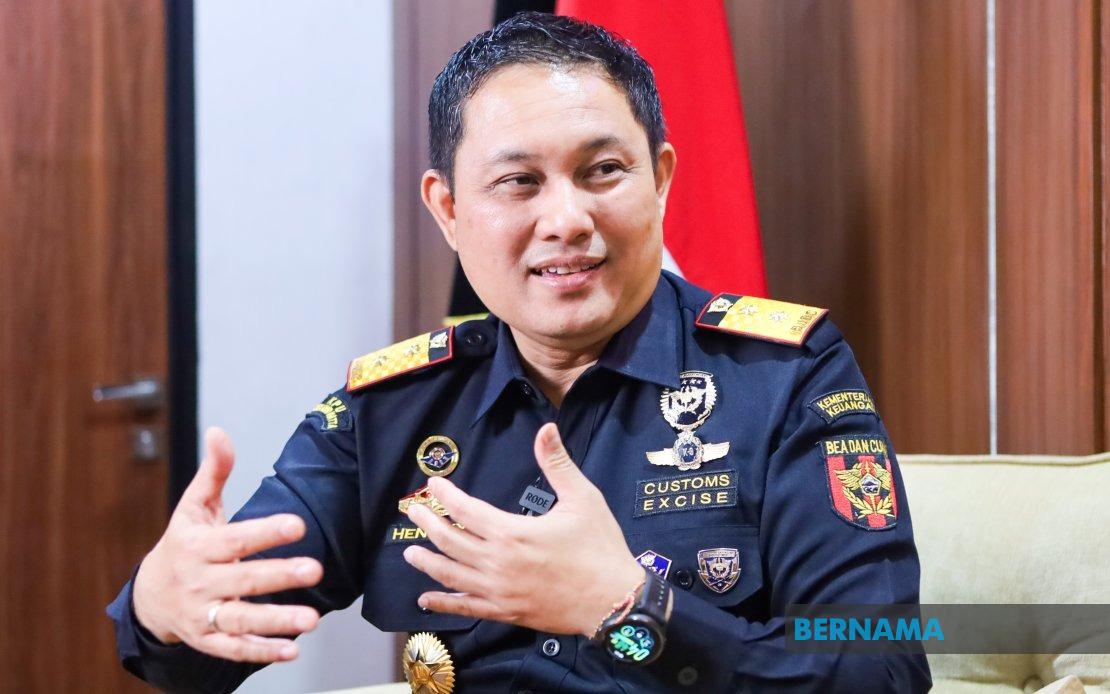
Indonesia's busiest international airport has emerged as a critical frontline in the region's drug trafficking crisis, with authorities recording more than 300 narcotics cases in merely seven months and averaging at least two interceptions daily. The scale of activity at Soekarno-Hatta International Airport reveals how international smuggling networks exploit major aviation hubs, recruiting couriers indiscriminately regardless of nationality or professional standing, and demonstrates the evolving sophistication of trafficking operations across Southeast Asia.
Hengky Tomuan Parlindungan Aritonang, head of the Soekarno-Hatta Main Customs and Excise Office, characterised the statistics as a reflection of enforcement intensity at an airport processing between 25,000 and 30,000 international passengers daily. The volume highlights both the challenge facing authorities and the calculated risk assessment by trafficking syndicates, who view major transit points as viable operational channels. These figures underscore how airports with substantial passenger throughput become preferred venues for moving controlled substances, where the sheer number of travellers creates cover for illicit activity.
A critical insight from customs operations concerns the disconnect between flight origins, courier nationality, and drug provenance. Aritonang explained that an inbound flight from Malaysia or Thailand does not necessarily indicate either the nationality of the person carrying contraband or where the drugs originated. This complexity reflects how sophisticated networks operate, utilising multiple jurisdictions and intermediaries to obscure trafficking routes. Regional aviation hubs in Malaysia, Thailand, and Hong Kong serve as transshipment points, allowing syndicates to obscure the true source and final destination of narcotics while exploiting the geographic connectivity of Southeast Asian air travel.
The recruitment strategies employed by trafficking organisations demonstrate remarkable flexibility. Aritonang noted that syndicates deliberately approach and persuade individuals from any background, including Indonesians working overseas who face pressure or financial incentives when returning home. This approach makes enforcement particularly challenging, as profiles of suspected couriers become diverse and less predictable. The willingness of syndicates to recruit across different nationalities and professions, including high-profile targets like commercial pilots, suggests these organisations prioritise access and opportunity over demographic considerations.
Customs data from the intercepted cases reveals that suspects have originated from Spain, Malaysia, France, and China, while Thailand, Spain, Malaysia, and Singapore emerged as primary sources for detected narcotics. The substances involved range across psychotropic agents, etomidate, and methamphetamine, with methamphetamine and MDMA accounting for the largest seizures by weight. This geographic and chemical diversity indicates that Soekarno-Hatta sits at the intersection of multiple international trafficking routes, with suppliers drawing from different production centres and targeting various consumer markets across the region and beyond.
Recent cases involving Malaysian nationals have drawn particular attention and sparked concern about potential discrimination. A Malaysian commercial pilot was arrested following the seizure of approximately 25 kilogrammes of MDMA at Soekarno-Hatta the previous week, while another Malaysian faced charges after 990 grammes of methamphetamine and 1,089 ecstasy pills were discovered strapped to his body at Juanda International Airport near Surabaya. Additionally, three Malaysian women were detained at Soekarno-Hatta following discovery of suspected MDMA, cocaine, and ketamine. These cases, concentrated within a short timeframe, have generated headlines across Indonesia and raised concerns among Malaysian travellers regarding potential profiling at immigration and customs checkpoints.
Aritonang provided explicit assurance that Malaysian citizens would not face heightened or differential scrutiny following these recent incidents, emphasising that customs screening adheres to professional international standards applied uniformly across all travellers. Screening procedures rely on objective criteria including data analysis, intelligence sources, and X-ray imaging, rather than on subjective assessments based on nationality, ethnicity, or appearance. This statement aims to mitigate tensions and reassure the significant Malaysian travel cohort to Indonesia that enforcement operations maintain professional integrity and impartiality.
The pilot case warranted particular attention not because the suspect held Malaysian nationality but because his professional status as a licensed commercial aviator made his alleged involvement in drug smuggling exceptionally unusual and newsworthy within Indonesian public discourse. Aritonang clarified that the syndicate's exploitation of a pilot represents a tactical shift reflecting the sophisticated thinking of trafficking organisations. The pilot could have originated from any nation, but his unusual profession amplified media interest and public concern about the extent to which syndicates penetrate seemingly secure professional categories.
Aritonang explained that pilots undergo stringent licensing, recruitment, medical examinations, and ongoing screening requirements that ordinarily would render them unlikely recruitment targets. The fact that a trafficking organisation successfully approached and persuaded a pilot suggests that operational security measures within the aviation industry may require reassessment. He observed that syndicates deliberately target individuals and approaches that security professionals consider improbable or impossible, exploiting this very improbability as camouflage. The airport official noted that historical precedent is limited, with only one other documented case involving an Indonesian pilot occurring approximately two decades earlier, underscoring the rarity and significance of the current incident.
The trafficking challenges evident at Soekarno-Hatta carry direct implications for Malaysia and the broader Southeast Asian region. The airport data confirms that trafficking networks operate across the region's interconnected aviation infrastructure, with Malaysia serving as both a source jurisdiction and transit point. Malaysian authorities must remain vigilant regarding domestic recruitment by these international syndicates, particularly targeting individuals with aviation sector access or international mobility. The concentration of Malaysian nationals in recent cases suggests that trafficking organisations may be actively recruiting from Malaysia, indicating that the risk extends beyond airport screening and into domestic recruitment and prevention strategies.
The volume of cases and the professional profiles of some suspects reveal gaps in existing enforcement mechanisms. While Soekarno-Hatta's customs operation demonstrates capacity to intercept substantial quantities of contraband, the ongoing success of smuggling attempts indicates that some shipments evade detection. The use of commercial air cargo systems alongside passenger luggage, as Aritonang mentioned regarding cargo investigations, suggests that traffickers employ diversified methods to distribute risk. Malaysian aviation security agencies and customs authorities should consider enhanced intelligence sharing and coordinated screening protocols with Indonesian counterparts to address this transnational challenge systematically.
The broader context demonstrates how Southeast Asian aviation networks have become integral to global drug trafficking operations. The diversity of source countries and chemical compositions of intercepted substances indicates that regional airports function as nodes within international supply chains. For Malaysia specifically, the pattern of Malaysian nationals appearing as couriers in recent cases raises questions about recruitment vulnerabilities, financial desperation, or coercion within certain communities. Enhanced public awareness campaigns and community-based prevention initiatives may help reduce the recruitment pool available to traffickers.
Moving forward, the data from Soekarno-Hatta underscores the necessity for sustained regional cooperation on narcotics enforcement. Intelligence sharing between Indonesian, Malaysian, Thai, and Singaporean authorities regarding trafficking routes, recruitment tactics, and suspected syndicates could enhance interdiction rates across multiple jurisdictions. The sophistication demonstrated by traffickers in accessing diverse courier pools and exploiting aviation infrastructure suggests that isolated national enforcement approaches have limited effectiveness. Regional mechanisms must evolve to address the transnational nature of these operations, recognising that individual airports and border points function as components within interconnected trafficking systems.

