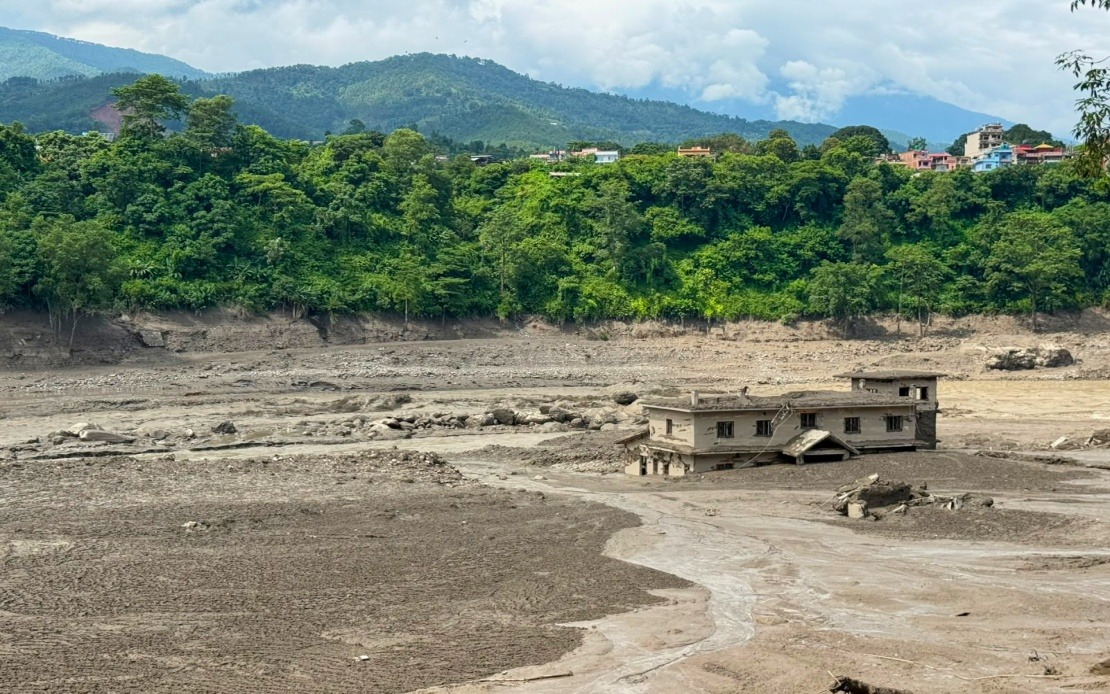
Nepal's tourism sector faces a crisis of unprecedented scale as the Nepal Tourism Board announced that more than 380 tourists have gone missing in the aftermath of severe flooding across the nation. According to the official statement released on Wednesday through the board's social media channels, the initial tally encompasses 384 individuals, comprising 291 foreign nationals and 93 Nepali citizens. The tourism authority emphasized that this figure represents preliminary data gathered from travel companies and tourism operators, with ongoing verification processes involving multiple stakeholders including local guides, travel agencies, regional authorities, and security personnel.
The nationality breakdown provides sobering evidence of the disaster's international dimensions. Indian citizens dominate the missing persons roster with more than 100 unaccounted for, reflecting the substantial volume of Indian tourism to Nepal's attractions. However, what carries particular resonance for Malaysian readers is the confirmation that 17 Malaysians are among those missing. This figure underscores the significant presence of Malaysian travellers exploring Nepal's natural wonders and trekking routes, many of whom were caught in the path of the flooding when attempting to reach remote mountain areas that are central to Nepal's tourism appeal.
Beyond the Malaysian contingent, the disaster has affected travellers from across the globe. British nationals account for 12 missing persons, while four South Africans and three Americans are unaccounted for. Single representatives from Australia and the Netherlands have also vanished in the flooding. The tourism board noted that the nationalities of 111 additional missing persons remain unconfirmed, suggesting that the final tally could shift as identification efforts proceed. This classification itself represents a significant challenge, as many tourists travelling through mountainous and remote regions may lack readily available documentation or contact information with tour operators.
The verification process underway carries critical importance for families and authorities alike. The Nepal Tourism Board's statement indicates that cross-checking is occurring at multiple levels, with information flowing between tourism companies, individual guides who may have been accompanying tour groups, local administration in the affected districts, and security agencies tasked with search and rescue operations. The coordination required across these disparate entities in the aftermath of a natural disaster speaks to both the complexity of modern tourism infrastructure and the vulnerabilities exposed when catastrophic weather events strike regions that depend heavily on international visitor arrivals.
For Malaysia specifically, the situation demands swift diplomatic engagement and consular assistance. The Malaysian government typically maintains strong protocols for supporting citizens abroad during emergencies, and the relatively substantial number of missing Malaysians suggests that multiple tour groups from different Malaysian operators were operating in Nepal simultaneously when the flooding occurred. Many Malaysian tourists favour Nepal for trekking expeditions to locations such as the Annapurna Circuit and Everest Base Camp routes, which are precisely the remote high-altitude areas most vulnerable to flash flooding and landslides triggered by extreme rainfall.
The broader context of Nepal's tourism dependency adds another layer to this disaster's implications. Nepal's economy relies substantially on international tourism, with annual visitor arrivals typically exceeding one million people. The country's natural attractions, ranging from the Himalayas to its religious and cultural heritage sites, draw tourists from Asia, Europe, and beyond. However, this very appeal places visitors in environments where infrastructure may be limited and rescue capabilities constrained, particularly in mountainous regions where access depends on seasonal conditions and weather stability.
Authorities have issued high-alert warnings for communities situated downstream from the affected areas, indicating that the flooding remains an active threat rather than a concluded event. This suggests that additional casualties and missing persons could emerge as floodwaters continue their progression through river valleys and populated zones. The downstream alert carries particular significance as it indicates that the disaster's full scope may not yet be apparent, with potentially more tourists and locals at risk as water levels rise and hazardous conditions persist.
The incident highlights the intersection of climate volatility, tourism expansion, and disaster preparedness across Southeast Asia and South Asia. Nepal, like many countries in the region, faces increasingly severe monsoon patterns and extreme weather events. Yet the pressure to maintain tourism flows to support economic development often means that tourist operations continue despite emerging meteorological risks. The presence of such large numbers of international tourists in remote areas during what became catastrophic flooding conditions raises questions about weather monitoring, evacuation protocols, and the communication systems linking tour operators to real-time hazard information.
For Malaysian travel agencies and tourism operators, this disaster presents a cautionary moment regarding destination risk assessment and group safety procedures. The missing Malaysians were almost certainly distributed across multiple tour companies and independent travel arrangements, suggesting a pattern of tourism activity that extends across Nepal's tourism sector rather than concentrating in a single operator's misfortune. This dispersal, while complicating coordination of rescue and family notification efforts, also means that lessons learned will likely influence how Malaysian tourism companies structure Nepal itineraries going forward.
The verification process mentioned by the Nepal Tourism Board will prove crucial for delivering definitive answers to families of missing persons. Given the remote locations where many tourists were trekking when floods struck, some individuals may have made their way to temporary shelters or villages without immediate communication capability. The cross-checking against tour company records, guide information, and security agency reports should eventually clarify whether missing persons categories include deceased individuals, those who have reached safety but remain out of contact, or those genuinely unaccounted for in affected zones. Each category carries vastly different implications for rescue operations and family notification.
The incident also underscores the vulnerability of the tourism supply chain in developing nations where natural disasters can rapidly overwhelm coordination systems. Malaysian tourists relying on local Nepali guides and porters depend on these individuals' knowledge and decision-making during emergencies. The flooding has exposed potential gaps in communication infrastructure, emergency protocols, and the ability of remote tour groups to receive real-time updates about developing hazards. Future tourism operations in Nepal will likely incorporate enhanced satellite communication devices, more frequent weather briefings, and predetermined evacuation procedures that acknowledge the reality of climate-driven extreme weather events.
As search and rescue operations continue and the verification process unfolds, Malaysian authorities will be working through diplomatic channels with Nepali counterparts to ensure that missing Malaysians receive priority attention and that their families receive regular updates. The consular services of the Malaysian embassy in Nepal will be coordinating with local authorities, facilitating contact between families and rescue teams, and preparing for potential repatriation of remains should the search efforts conclude with tragic outcomes. The next days and weeks will be critical for determining whether the missing persons can be located alive or whether the death toll will tragically increase from the flooding itself.

