Malaysia's Public Accounts Committee has sounded the alarm on the nation's cooking oil subsidy programme, warning that the scheme hemorrhages public funds through ineffective targeting and structural weaknesses that benefit ineligible recipients. Deputy chairperson Teresa Kok disclosed on July 16 that the PAC is recommending the Ministry of Domestic Trade and Cost of Living slash the monthly cooking oil quota by 60,000 metric tonnes and conduct a comprehensive overhaul of the entire supply chain. These recommendations emerged from an intensive four-month investigation triggered by critical findings in the Auditor-General's Report, which flagged unsatisfactory management of price controls and subsidies across the sector.
The investigation exposed a fundamental disconnect between supply and actual need. While the Cooking Oil Price Stabilisation Scheme maintains a quota of 60,000 metric tonnes per month, the PAC found that genuine domestic consumption by Malaysian households ranges between just 19,000 and 30,000 metric tonnes monthly. This surplus capacity creates an opening for leakage and misuse, with subsidised cooking oil finding its way to ineligible parties including foreign nationals and commercial operators who have no entitlement to assistance. The discrepancy between budgeted supply and real demand represents one of the starkest indicators of poor programme design, suggesting that policymakers have long operated with inaccurate consumption data.
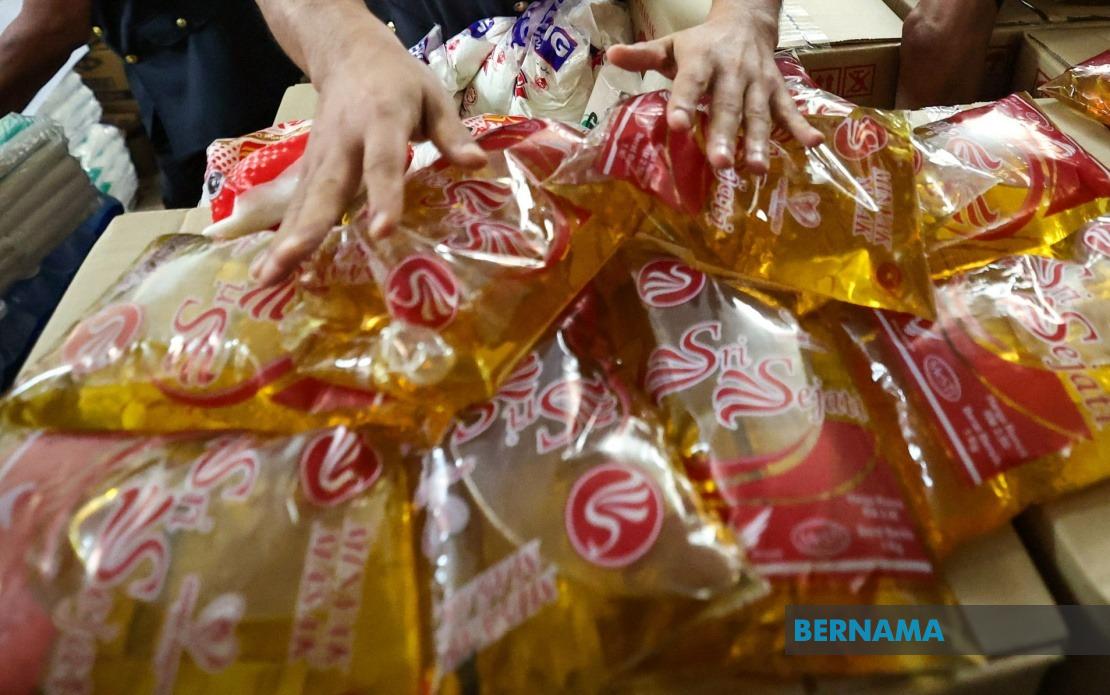
The scale of financial waste is staggering. Between 2019 and February 2025, the government deployed RM10.879 billion in subsidies for cooking oil, yet much of this support failed to reach its intended beneficiaries due to the absence of a sophisticated distribution mechanism. The one-kilogramme packets sold at the controlled price of RM2.50 are readily available to anyone willing to purchase them, making it impossible to prevent diversion to those who should not qualify for assistance. This blanket approach, while administratively simple, abandons any pretence of means-testing and effectively treats all consumers identically regardless of income or citizenship status. For Malaysian authorities accustomed to more nuanced policy targeting in other sectors, the cooking oil scheme stands out as extraordinarily crude.
The PAC investigation revealed additional governance failures at every level of the supply chain. Among nine packaging companies involved in the subsidy programme, two still lack halal certification from JAKIM, a troubling oversight that should have been impossible given Malaysia's relatively robust halal certification infrastructure. More concerning is the complete absence of standard operating procedures for managing spoiled cooking oil at the packaging company level, meaning the government continues subsidising stocks that will never reach consumers. This represents pure waste disguised as administrative oversight. The PAC estimates that serious weaknesses in monitoring spoiled stocks impose unnecessary costs on taxpayers without delivering any benefit to citizens.
Retailer-level enforcement has similarly broken down, fostering practices that undermine the scheme's stated objectives. Conditional sales, where customers must purchase unsubsidised items to obtain subsidised oil, stock hoarding to drive up black-market prices, and widespread sales above the RM2.50 control price have become increasingly common across Malaysian markets. These practices persist because monitoring mechanisms are either absent or ineffective, allowing retailers to capture additional margins while consumers bear the brunt through either higher total purchases or frustrated search for genuine subsidised supplies. The PAC's finding suggests that KPDN has lost effective control over implementation at the point where citizens actually encounter the system.
The refining and repackaging segments of the supply chain reveal structural imbalances that disadvantage local industry. Foreign companies command 67 per cent of the subsidised quota at refining level, while local government-linked companies such as FGV and SD Guthrie together account for only 10.6 per cent, with smaller local operators making up the remainder. This skew means that most of the state's subsidy burden accrues to benefit foreign shareholders rather than supporting Malaysian economic interests. Compounding this concern, the PAC found that repackaging companies receive RM600 per metric tonne in subsidies while their actual processing costs are substantially lower, inflating profit margins without legitimate justification and increasing the government's financial exposure unnecessarily.
The PAC's recommendations address these deficiencies through multiple channels. The committee calls for an immediate reduction in the monthly quota to align more closely with genuine domestic consumption, cutting out the surplus capacity that facilitates leakage. It further proposes that KPDN review the RM600 subsidy rate paid to packaging companies, benchmarking it against real operating costs to ensure public funds are spent efficiently. A critical recommendation involves restricting subsidy payments to packaging companies only for undamaged cooking oil stocks, eliminating the bizarre situation where taxpayers subsidise products destined for landfills rather than dinner tables. These measures target obvious inefficiencies that have persisted despite sustained government spending.
The most transformative recommendation involves accelerating transition from bulk subsidies to digital targeting through the eCOSS system, a move that would fundamentally alter how assistance reaches citizens. By moving away from the current first-come-first-served physical mechanism to a digitally managed system, the government could restrict subsidised purchases to registered eligible citizens while maintaining price caps for genuine beneficiaries. This approach has precedent in other countries' subsidy programmes and would require establishing clearer eligibility criteria while leveraging Malaysia's existing biometric and database infrastructure. The transition would eliminate casual diversion to foreigners and commercial entities while reducing administrative costs and improving targeting precision. However, implementation would require coordination across multiple agencies and sustained political commitment to exclude influential commercial interests from the subsidy pool.
The PAC also flagged the need to rebalance market share in cooking oil refining, suggesting that the government study mechanisms for giving priority to competitive local companies rather than defaulting to foreign suppliers. This recommendation reflects both efficiency and policy objectives, as strengthening local industry capacity could reduce dependence on imported refining expertise while keeping more economic value within Malaysia. The current heavy weighting toward foreign firms, while perhaps reflecting historical supply relationships or competitive bidding outcomes, conflicts with broader goals of Malaysian industrial development and self-sufficiency in essential commodities. Rebalancing the quota would require careful design to avoid simply replacing one form of inefficiency with another while ensuring that domestic firms selected meet genuine competitive standards.
For Malaysian consumers, these findings underscore the disconnect between subsidy policy intentions and outcomes. The RM2.50 price cap on cooking oil represents a genuine assistance measure, particularly for lower-income households where food costs consume significant income portions. However, the current implementation mechanism ensures that subsidy value leaks across multiple channels—to foreign nationals, to commercial users, to those hoarding for resale, and to spoiled stocks that deliver no nutritional benefit. Reforming the scheme could make it simultaneously more generous to truly eligible recipients while reducing total government expenditure, a rare policy win where improved targeting aligns with fiscal prudence. The political challenge lies in navigating the vested interests embedded across the supply chain that benefit from current inefficiencies.

