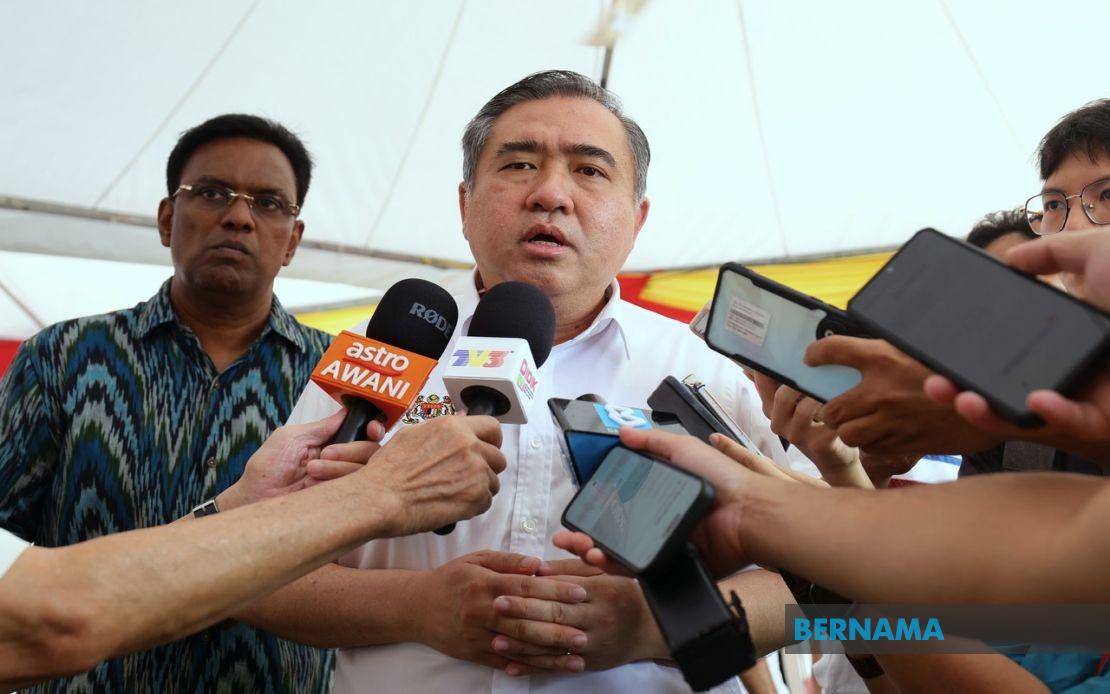
Pakatan Harapan has signalled it will not be rattled by potential political realignments ahead of the Negeri Sembilan state election, with the coalition asserting confidence in its ability to counter any strategic manoeuvres by rivals Barisan Nasional and Perikatan Nasional. Speaking in Seremban on July 16, DAP secretary-general Anthony Loke emphasised that the coalition has already factored in the possibility of BN and PN joining forces, drawing lessons from recent electoral contests including the Johor state election. Rather than viewing such developments as a cause for concern, Loke indicated that PH would channel its energy into consolidating its own organisational strength and electoral machinery.
The statement comes at a critical juncture for Malaysian politics, with state elections increasingly becoming proving grounds for national coalitional politics. Negeri Sembilan has historically been a bellwether state, and the contest there will serve as an important indicator of voter sentiment ahead of potential general elections. PH's insistence that it remains unfazed by opposition strategies suggests a degree of confidence grounded in recent electoral performance, though the coalition's assertion of readiness requires genuine cohesion among its component parties—a perennial challenge that has tested the alliance since its formation.
Loke's remarks addressed growing speculation about seat-sharing negotiations between BN and Perikatan Nasional, negotiations that reflect the fluid nature of Malaysian coalition politics at the state level. The potential alliance would pit two major establishment forces against PH, which currently controls Negeri Sembilan through Menteri Besar Datuk Seri Aminuddin Harun since 2018. Such alignment would significantly complicate PH's path to retaining power, particularly if it consolidates opposition votes effectively. However, Loke attempted to reframe the contest as fundamentally about PH's internal unity rather than external threats, suggesting that the coalition believes its strongest asset lies in demonstrating coherence and shared purpose among its members.
Regarding concerns that Chinese voter support might shift towards opposition parties such as MCA, Loke adopted a measured stance, acknowledging that electoral outcomes ultimately rest with voters rather than parties. This response reflects awareness among PH leadership that demographic realignments and community-specific voting patterns represent genuine electoral challenges that cannot be dismissed through rhetorical confidence alone. The question of Chinese voter preferences has become increasingly salient in Malaysian electoral politics, with communities strategically reassessing political alignments based on perceived representations of their interests and concerns.
The DAP leader highlighted the Negeri Sembilan state government's administrative record as PH's primary asset in appealing to voters. Under Aminuddin Harun's leadership over the past six years, the state has pursued various development initiatives and governance approaches that PH intends to present as evidence of its capability and commitment. This emphasis on incumbency advantages and demonstrated governance reflects a strategic calculation that performance-based appeals may resonate more effectively than abstract promises or opposition critiques. For Malaysian voters assessing political options, incumbent performance records carry substantial weight, particularly in state elections where local impact of governance decisions is more readily observable.
Beyond the electoral calculation, Loke's comments reveal PH's broader strategic orientation in an increasingly polarised political environment. The coalition's determination to focus on internal strengthening rather than becoming distracted by opposition tactics suggests a maturation of political thinking following the coalition's formation and subsequent governing experience. This approach acknowledges that electoral contests are ultimately decided by voter preference rather than by the machinations of rival coalitions, though it simultaneously reflects confidence that PH's message and record warrant sustained voter backing.
The timing of these remarks is significant given the various concurrent political developments affecting Malaysia's coalition landscape. The reference to Melaka's political situation, where DAP withdrew from the state administration over disagreements regarding nominated assembly member appointments, underscores broader tensions within PH regarding power-sharing arrangements and decision-making processes. Loke's characterisation of the Melaka situation as settled and final, despite evident discomfort within the coalition, illustrates the delicate balance PH must maintain between presenting unified messaging while managing internal disagreements.
Loke's tenure as Transport Minister and incumbent assemblyman from Chennah positions him as both a national-level figure and a locally grounded politician. His comments linking the MADANI programme initiatives—including Kampung Angkat MADANI village and school adoption schemes—to longer-term governance delivery rather than electoral seasonality attempt to frame government assistance programmes as sustained commitments rather than opportunistic pre-election gestures. This framing matters considerably in Malaysian electoral politics, where voters have developed considerable scepticism towards last-minute development promises, and where the distinction between genuine governance commitment and tactical electioneering significantly influences voting behaviour.
The Negeri Sembilan election will constitute one of the first major tests of coalitional stability and voter preferences in the post-2022 political landscape. For PH specifically, success would validate its strategic orientation towards consolidating internal unity and relying on governance performance, while setbacks might prompt reassessment of electoral strategies and coalition dynamics. For the broader Malaysian political environment, the contest will offer insights into whether established voters remain committed to PH or whether opposition realignments successfully attract segments of the electorate previously aligned with the ruling coalition.
The confidence expressed by Loke and PH leadership reflects both genuine belief in their electoral viability and the political necessity of projecting strength heading into a significant contest. However, the underlying acknowledgement that BN and PN may coordinate their strategies indicates clear recognition of the formidable challenge ahead. In Malaysian state elections, where voter bases tend to be more localised and considerations of state-specific governance more pronounced than in federal contests, the ability to mobilise community support through demonstrated delivery of services and infrastructure becomes particularly crucial.
Looking forward, the Negeri Sembilan election will reveal whether PH's strategy of emphasising internal unity and incumbent performance proves sufficient against a potentially coordinated opposition challenge. For Malaysian observers tracking coalition dynamics and electoral trends, the contest represents a significant data point in understanding how voter preferences are shifting and whether the political configurations that have characterised Malaysia since 2018 retain their salience or whether new alignments are emerging.

