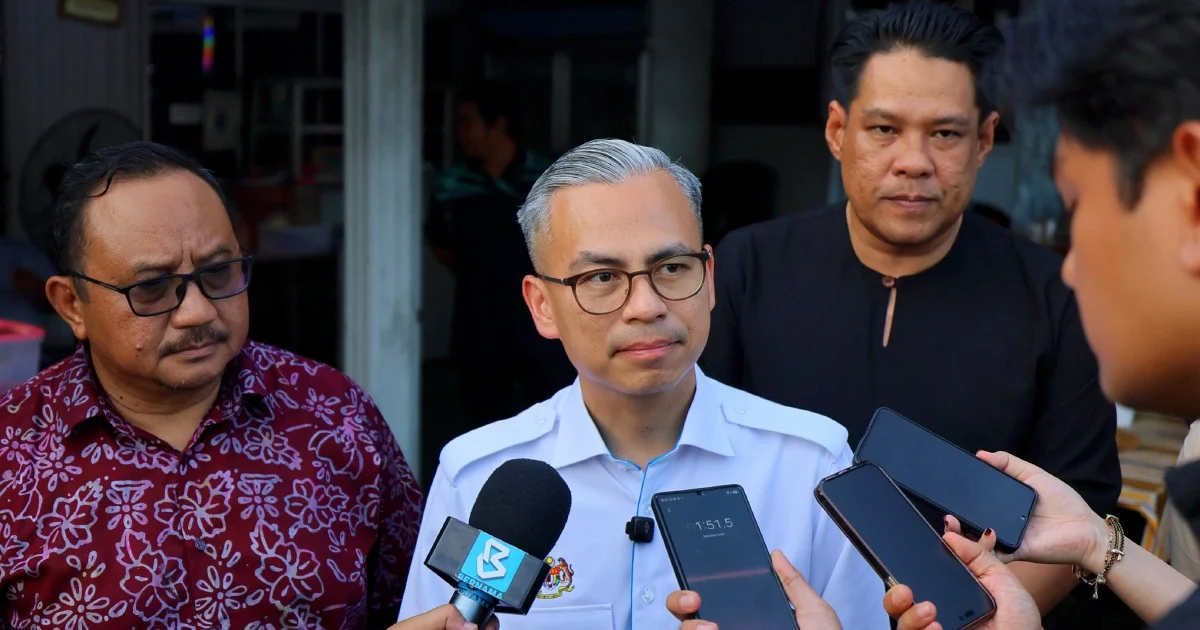
Pakatan Harapan is preparing for the upcoming Johor election by deploying a comprehensive two-pronged campaign architecture that integrates digital platforms with traditional ground operations, party leaders announced in Batu Pahat. The coalition's decision to pursue this balanced approach reflects a broader recognition within Malaysian politics that winning electoral contests increasingly demands proficiency across both online and offline spheres, particularly in a state where voter demographics span tech-savvy urban millennials and older constituents relying on door-to-door engagement.
The hybrid strategy acknowledges a fundamental reality of contemporary electioneering: relying exclusively on either digital campaigns or ground-level constituency work leaves significant voter segments unreached and potentially alienated. For Pakatan Harapan, which continues rebuilding its organisational capacity and public standing following the 2023 general election, the disciplined deployment of resources across both channels represents a pragmatic attempt to maximise penetration without overextending the coalition's personnel and financial bandwidth. The approach suggests party strategists have studied the mixed results of previous campaigns that leaned too heavily toward single-channel messaging.
Social media and digital platforms offer unprecedented advantages for political messaging in contemporary Malaysia. Targeted Facebook campaigns, TikTok content, Instagram engagement, and WhatsApp broadcast messaging enable precise audience segmentation by age, location, and political interest, while facilitating rapid response to emerging issues and competitor narratives. These tools prove particularly valuable for reaching younger voters who increasingly consume political information through digital rather than traditional mass media channels. Additionally, digital campaigns generate measurable analytics regarding engagement rates, reach, and audience sentiment, allowing campaign managers to adjust messaging in real-time based on performance data.
However, ground campaigning remains irreplaceable for cultivating the personal connections and community trust that often prove decisive in determining voter behaviour. Door-to-door canvassing, community forum meetings, and direct interaction with constituents permit campaigns to address localised concerns that may not register in national discourse. Ground operations also facilitate the distribution of campaign materials, recruitment of volunteer networks, and cultivation of grassroots champions within constituencies who amplify messaging through their existing social networks. For voters who distrust mainstream media and digital platforms, personal contact with political representatives provides the authenticity and human connection necessary to influence electoral decisions.
The Johor context amplifies the strategic logic of this dual-track approach. Johor remains Malaysia's most closely contested electoral theatre, with Pakatan Harapan, Barisan Nasional, and Perikatan Nasional all possessing credible claims to victory in various constituencies. The state's economic importance—encompassing the Iskandar development corridor and serving as the southern gateway to Singapore—makes Johor campaigns particularly resource-intensive and strategically significant. Additionally, Johor's electorate combines urban concentrations in Johor Bahru with significant rural populations in districts such as Muar and Segamat, necessitating campaign strategies capable of resonating across geographical and demographic divides.
Pakatan Harapan's explicit articulation of this campaign strategy serves multiple functions beyond mere tactical advantage. Public announcement of the dual-track approach signals to party activists and supporters that the coalition possesses clear strategic direction and organisational discipline, countering narratives suggesting internal disarray or strategic confusion. The emphasis on integrating digital and ground operations also implicitly addresses criticisms from rival coalitions that Pakatan Harapan relies disproportionately on urban, educated voters while struggling to maintain presence in rural and semi-urban constituencies. By highlighting commitment to ground campaigning, party leadership seeks to reassure supporters in traditional constituencies that grassroots organisation remains central to electoral strategy.
The timing of Pakatan Harapan's campaign announcement reflects evolving competitive dynamics within Malaysian electoral politics. As rival coalitions increasingly invest in digital campaign infrastructure, Pakatan Harapan recognises that failing to match competitor capabilities in this sphere would constitute strategic disadvantage. Conversely, competitors' growing reliance on digital tools creates opportunities for Pakatan Harapan to differentiate itself through superior ground presence and community engagement. The hybrid model permits the coalition to compete on both fronts simultaneously rather than ceding either domain to opponents.
Implementing this dual-track strategy effectively presents significant operational challenges. Coordinating messaging between digital and ground teams ensures consistency while permitting appropriate adaptation to different audience contexts. Campaign managers must allocate finite resources—volunteer time, advertising budgets, candidate availability—across multiple channels in ways that generate optimal return on investment. Training party activists to effectively utilise digital tools while maintaining traditional canvassing operations requires investment in volunteer education and technical support infrastructure. Additionally, digital campaigns require specialised expertise in social media management, data analytics, and content creation that many regional political organisations still lack.
The broader implications extend beyond Johor's state politics. Pakatan Harapan's emphasis on integrating online and offline campaigning likely presages the coalition's approach to future national elections and by-elections. As Malaysian voters increasingly expect political campaigns to meet them across multiple platforms and touchpoints, coalitions that fail to develop sophisticated hybrid campaign capabilities risk appearing outdated or technologically incompetent. This evolution in campaign methodology reflects deeper shifts in Malaysian political culture, where digital platforms increasingly shape political discourse and electoral behaviour, yet traditional community bonds and personal relationships retain demonstrable influence on voting decisions.
Success with this hybrid approach in Johor could establish a replicable model for Pakatan Harapan across other key electoral battlegrounds. Conversely, poor execution or failure to generate meaningful electoral gains through this strategy could prompt reconsideration of resource allocation and campaign priorities. The coming Johor election will thus serve not merely as a single state contest but as a testing ground for evolving models of political campaigning in an increasingly digitised Malaysian electoral landscape. For voters and observers, the contest offers insight into how Malaysian political organisations are adapting to technological change while maintaining the human-centered elements that have historically characterised political mobilisation in the country.

