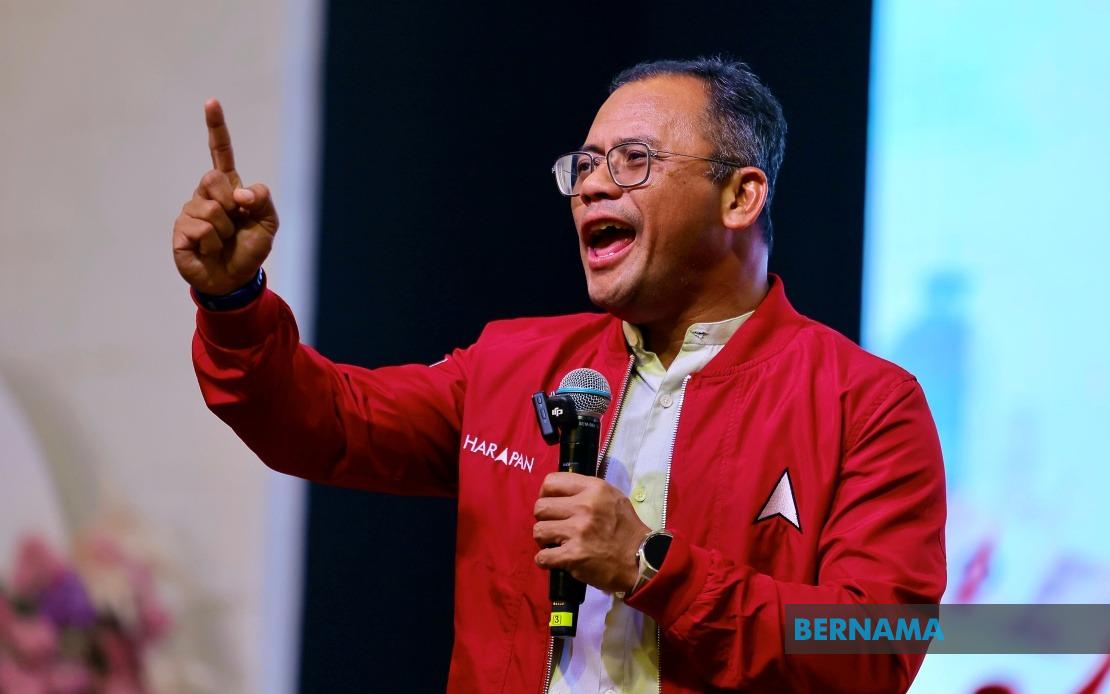
Pakatan Harapan formally introduced its "Johor For All" manifesto on July 3 in Johor Bahru, positioning the broad coalition's vision and campaign promises for the forthcoming state election. The launch event, held in the state capital, represented a significant moment in the election cycle as PH sought to consolidate its messaging and frame its electoral proposition around inclusive governance and broad-based development.
Datuk Seri Amirudin Shari, a prominent figure within PH's Presidential Council and co-election director for PKR, spearheaded the manifesto unveiling. His leadership of the event underscored the importance PH places on the Johor contest, given the state's historical significance within Malaysian politics and its substantial voter base. The presence of senior party functionaries signalled a coordinated, top-level commitment to the campaign.
The event drew participation from multiple coalition partners and local heavyweights, reflecting PH's multi-party structure. Johor PH chairman Aminolhuda Hassan, Johor DAP chairman Teo Nie Ching, and Johor PKR chairman Datuk Seri Dr Zaliha Mustafa all attended, alongside the slate of candidates contesting the election. This convergence of leadership illustrated attempts to project party unity and a shared electoral agenda across PKR, DAP, and other coalition components operating in the state.
The "Johor For All" branding itself carries deliberate political messaging, emphasising inclusivity and representation across demographic and geographic boundaries. Rather than pursuing narrowly targeted appeals, the manifesto framework suggests PH intends to position itself as a coalition offering comprehensive governance benefits to the state's diverse population. Such messaging approaches have become increasingly common in Malaysian electoral politics as coalitions attempt to broaden their appeal beyond traditional strongholds.
For Malaysian political observers, the timing and substance of the manifesto reveal how PH continues calibrating its strategy following the 2022 federal election and subsequent political developments. The Johor state election represents an important testing ground for the coalition's electoral machinery and message resonance in a significant East Coast state. The manifesto serves not merely as a campaign document but as a barometer of how PH conceptualises governance priorities and voter expectations in contemporary Malaysia.
The inclusion of diverse party representatives reflects internal coalition dynamics and the negotiated positions each partner secured in candidate selection and campaign direction. PKR's co-election director leading the manifesto launch indicates the party's central coordinating role within PH, though DAP's substantial presence in Johor politics ensures that urban-focused policies and Chinese-community concerns receive appropriate platform space. Such careful choreography remains essential for maintaining coalition cohesion through the campaign period.
From a Southeast Asian perspective, Malaysia's state elections continue demonstrating how dominant coalitions adapt messaging and organisational strategies to maintain electoral viability. The Johor contest occurs within a broader context of evolving voter preferences, demographic shifts, and demands for improved service delivery and economic opportunity. PH's "For All" framing addresses these concerns by signalling universalist rather than sectarian governance approaches.
The manifesto launch also marks a critical juncture in PH's broader narrative reconstruction. Following periods of internal turbulence and shifting coalition partnerships, the Johor campaign allows PH to reassert itself as a coherent governing alternative. The presence of multiple party leaders signing onto a unified manifesto carries symbolic weight, suggesting renewed consensus around policy direction and campaign priorities despite ongoing factional tensions within certain component parties.
For Johor voters specifically, the manifesto represents an occasion to evaluate PH's proposed track record against its promises, given the coalition's participation in federal government and its previous state-level governance experience. The manifesto presumably articulates specific commitments regarding economic development, service delivery, infrastructure, and social welfare—areas that consistently rank among voter priorities in opinion research. The degree to which these commitments prove credible and differentiated from opposition proposals will significantly influence electoral outcomes.
The campaign period ahead will determine whether the "Johor For All" messaging gains effective traction or remains a slogan insufficiently connected to substantive policy proposals. Coalition effectiveness in translating manifesto promises into compelling electoral narratives, particularly when communicating through varied media channels and community engagement strategies, will prove decisive. The election ultimately will test not merely manifesto content but PH's organisational capacity, candidate quality, and ability to persuade sufficient voters that the coalition merits continued or renewed support in Johor.

