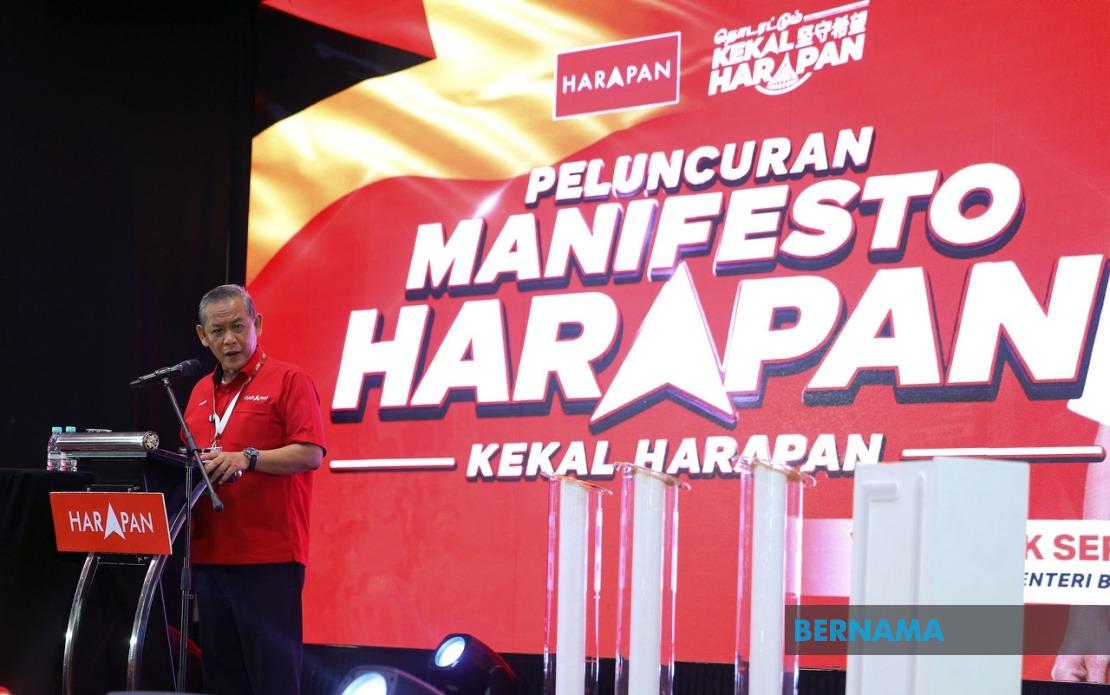
Pakatan Harapan has formally presented its electoral blueprint for the 16th Negeri Sembilan state election, centring its campaign around the promise of sustained development and good governance. Launched in Seremban by Menteri Besar Datuk Seri Aminuddin Harun, who chairs the coalition's state chapter, the manifesto carries the theme 'Negeri Sembilan Kekal Harapan'—positioning continuity and progress as the core message to voters heading into what will be a closely watched contest in the peninsular state.
The ten pledges form a comprehensive platform spanning economic growth, social welfare, and infrastructure development. At the foundation lies a commitment to sustaining administrative integrity and ensuring governance remains transparent and responsive to citizen needs. This emphasis on institutional stability reflects broader concerns across Malaysia about political predictability and the quality of state administration, matters that increasingly influence voter behaviour in regional contests.
Job creation emerges as a significant economic plank, with the coalition promising to generate 30,000 high-income employment opportunities. This figure addresses a tangible concern for working-age Negeri Sembilan residents, particularly those in urban and semi-urban centres seeking career progression beyond traditional sectors. The commitment signals recognition that the state's economic base requires diversification and attraction of higher-value industries to retain talent and prevent outmigration to Klang Valley and Selangor.
Affordable housing ranks prominently in the manifesto's social provisions, with a target of constructing 20,000 homes accessible to lower and middle-income households. For Malaysian readers familiar with chronic housing shortages affecting younger generations and young families, this pledge speaks directly to affordability pressures that have become acute across most urban centres. The simultaneous commitment to resolving land issues suggests acknowledgment of bureaucratic barriers and title disputes that complicate property access for ordinary Malaysians.
The manifesto emphasises strengthening the People's Wellbeing Scheme, a social safety programme that provides financial support to vulnerable populations. Enhanced delivery of this scheme would represent a tangible benefit for retirees, the unemployed, and those with disabilities—constituencies that have grown increasingly attentive to government support mechanisms following economic disruptions of recent years. This pledge reflects competitive positioning between Malaysian political coalitions on welfare commitments.
Educational quality receives dedicated attention, reflecting national anxieties about academic standards and future competitiveness. The coalition's commitment to ensuring all residents access quality schooling addresses concerns that educational outcomes vary significantly by location and socioeconomic status. For parents in Negeri Sembilan weighing their children's futures, this undertaking carries particular weight in smaller towns and rural districts where educational infrastructure may lag behind urban provision.
Development of tourism and cultural heritage sectors represents a more targeted economic initiative, recognising Negeri Sembilan's historical significance and natural assets. Successful execution could generate employment diversification, particularly in hospitality and creative industries, while reinforcing the state's distinctive identity. This focus also signals receptiveness to experiential tourism trends increasingly driving visitor spending across Southeast Asia.
Modernising agriculture and strengthening food security address concerns extending beyond Negeri Sembilan into broader Malaysian consciousness about rural economic viability and national self-sufficiency in essential commodities. The commitment to implement the Felda Development Scheme indicates engagement with smallholder concerns and recognition that agricultural communities require sustained policy attention and resource allocation. Such pledges carry symbolic weight in rural constituencies where traditional livelihoods remain significant despite urbanisation.
Infrastructure development and healthcare delivery improvements represent operational commitments essential to government legitimacy. Strategic infrastructure investments enhance connectivity and economic productivity, while quality healthcare provision directly impacts population wellbeing and removes financial barriers to medical treatment. These services constitute fundamental state responsibilities that influence voter satisfaction across demographic divides.
Youth empowerment, women's advancement, and family support initiatives reflect Malaysia's demographic composition and evolving social expectations. These constituencies have demonstrated heightened political engagement and particular sensitivity to gender-based policy outcomes and opportunities. The coalition's explicit attention to these groups signals responsiveness to demographic realities shaping contemporary Malaysian politics.
Interfaith unity features as a concluding commitment, acknowledging Negeri Sembilan's religious diversity and the importance of social cohesion. This pledge addresses governance challenges surrounding religious administration, land use conflicts, and inter-community relations—issues that periodically surface as political flashpoints. Explicit commitment to interfaith harmony suggests the coalition recognises that electoral competition increasingly incorporates cultural and religious dimensions alongside economic performance.
For Malaysian observers, this manifesto exemplifies how state-level political competition increasingly mirrors national campaign patterns, with coalitions bundling economic, social, and infrastructural promises into cohesive platforms. The breadth of commitments reflects calculated positioning across multiple voter constituencies, from working professionals seeking career advancement to rural populations prioritising agricultural support. Success in Negeri Sembilan may provide templates or cautionary lessons for upcoming contests elsewhere in Malaysia, particularly as electoral dynamics continue evolving.

