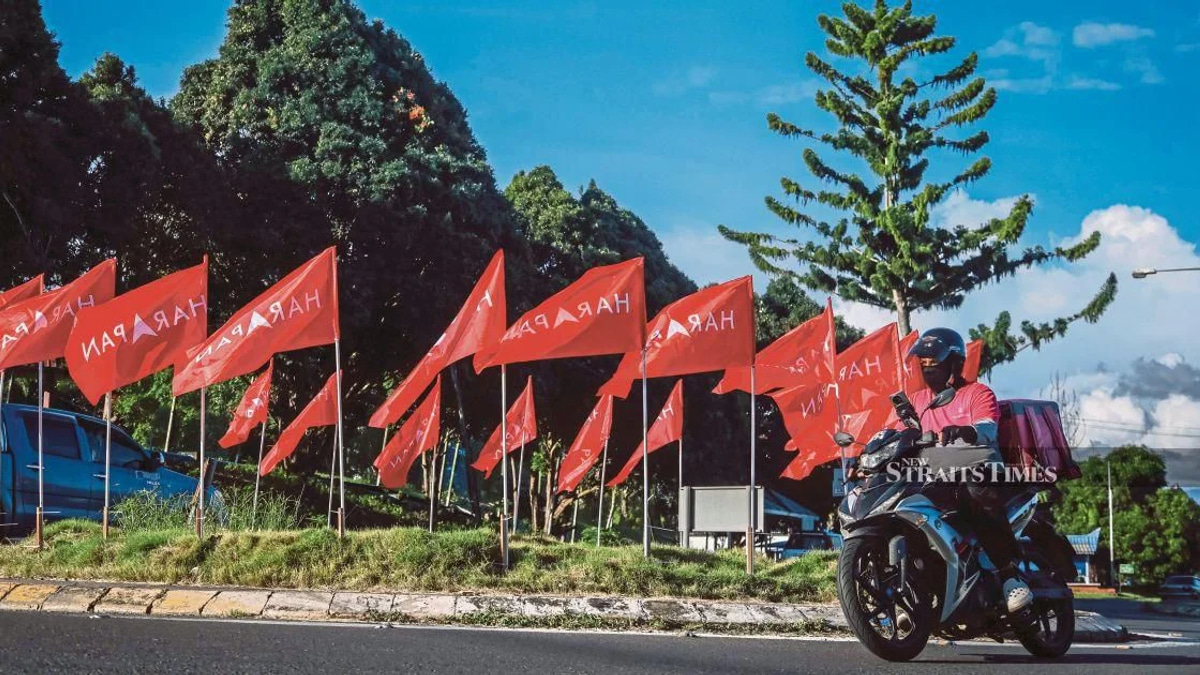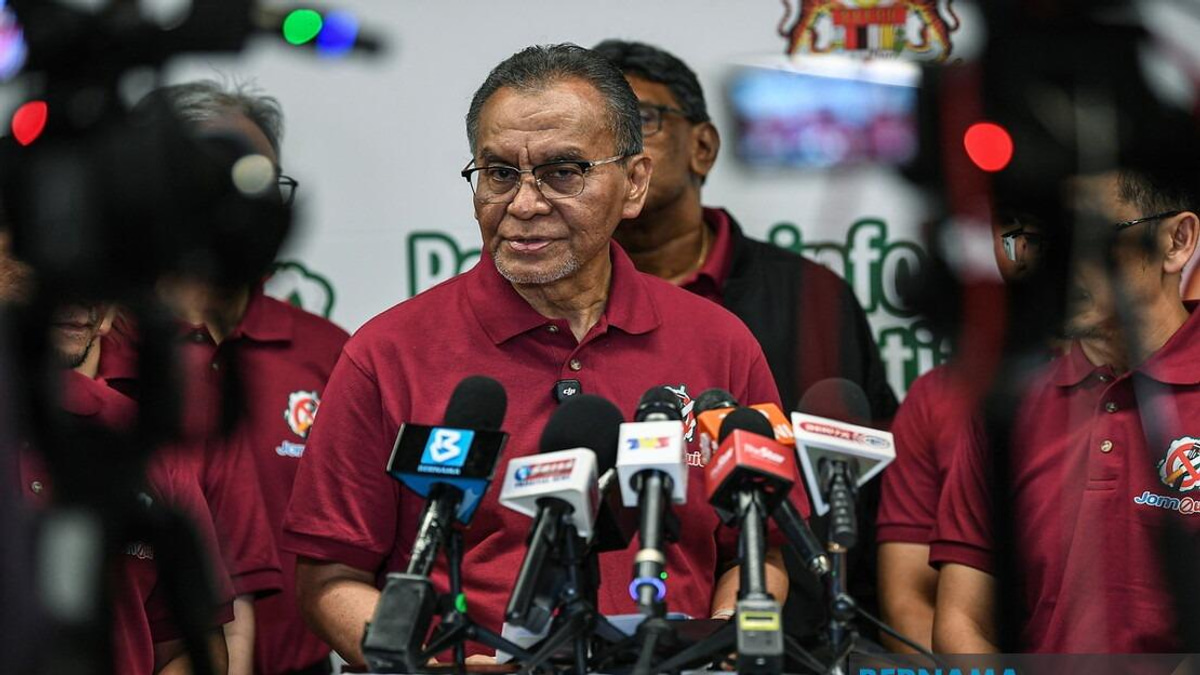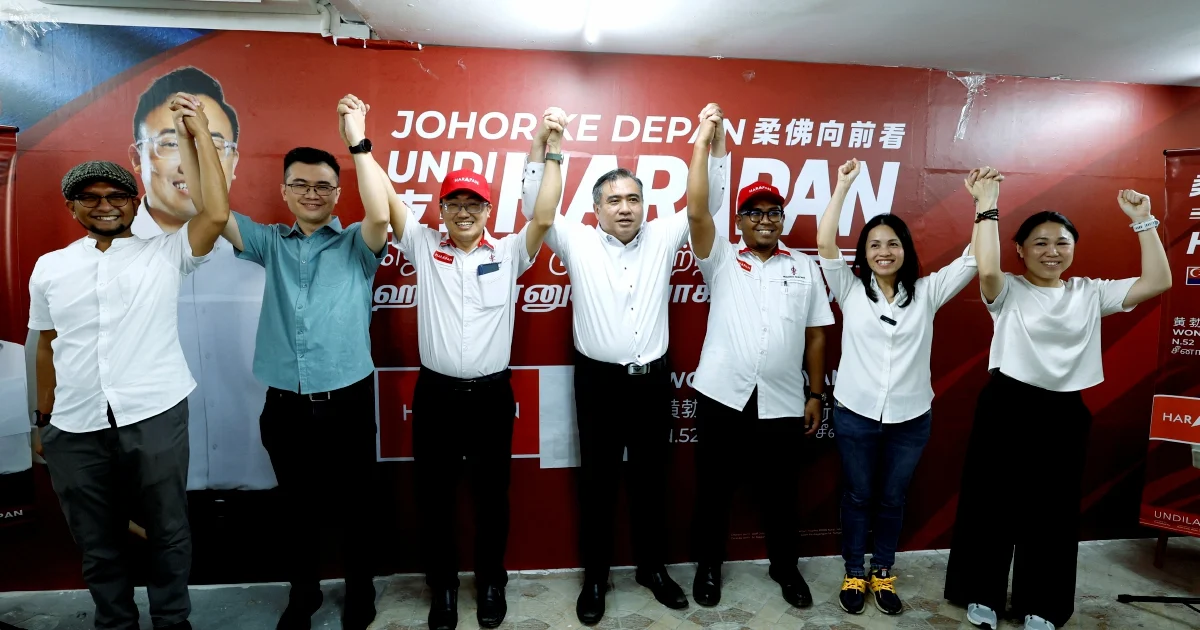
Pakatan Harapan's strategy for the Johor state election places winning at the ballot box as the paramount objective, with the coalition declining to pre-empt its choice of Menteri Besar candidate ahead of voting. Senior party figures have indicated that naming the individual who would lead the state government, should PH secure a majority, would only occur following a successful election outcome rather than serving as a campaign centrepiece.
This approach reflects a deliberate political calculation by the coalition, which has chosen to keep its leadership succession planning for Johor separate from its electoral messaging. By declining to announce the candidate prematurely, PH avoids internal tensions that might arise from promoting one figure over other potential contenders within its member parties. The coalition comprises multiple political entities with varying interests, and elevating one candidate before the election could generate friction among its constituent organisations.
The decision to postpone the announcement also allows PH greater flexibility in choosing its Johor chief minister following the election results. Electoral outcomes frequently produce unexpected shifts in internal party dynamics, and delaying the announcement preserves the coalition's ability to respond to post-election circumstances. Should particular parties perform strongly or weakly during voting, their leverage in determining leadership positions would naturally adjust, and a pre-election announcement could prove politically awkward if it no longer reflects the new balance of power.
From a voter perspective, this strategy places emphasis on PH's broader policy platform and vision for Johor's governance rather than personalising the election campaign around a specific leader. Many political observers argue that focusing on institutional platforms rather than individual candidates can appeal to voters who prioritise specific policies or developmental agendas over personality-driven politics. This approach also prevents the opposition from concentrating its attacks on a single pre-announced candidate throughout the campaign period.
Historically, Malaysian state elections have demonstrated that voters often respond to broader coalition messaging alongside local development promises. Johor, as one of Malaysia's most significant states economically and geographically, presents particular importance for any coalition seeking federal influence or legitimacy. The state's electorate encompasses diverse communities with varying economic interests spanning manufacturing, agriculture, tourism, and services sectors, suggesting that issue-based campaigning could prove effective.
Pakatan Harapan's coalition structure requires careful management when addressing leadership decisions. The partnership incorporates parties with distinct ideological orientations and membership bases, and mechanisms for internal consensus-building become essential when determining key positions. The coalition's top leadership council, which will ultimately decide on the Menteri Besar candidate, represents the collective authority of these affiliated organisations and serves to legitimise whatever choice emerges as reflecting the broader partnership rather than individual party interests.
This timing strategy also carries implications for the opposition's campaign approach. Uncertainty about who would lead Johor under a PH government might prompt the incumbent regime or competing coalitions to highlight their own leadership stability or to challenge PH's organisational readiness. However, it simultaneously prevents the opposition from specifically targeting a known PH candidate's record or personal background, removing potential ammunition from campaigns focused on individual politician accountability.
The Malaysian electoral context increasingly rewards coalitions that appear cohesive and organisationally competent. By managing its internal processes transparently and ensuring that leadership decisions flow through established collective mechanisms, PH signals institutional maturity. Voters in Johor may interpret this approach as evidence that the coalition takes governance seriously and respects democratic procedures for determining major appointments rather than allowing unilateral decisions by dominant figures.
Regional considerations also merit attention, as Johor's proximity to Singapore and Thailand positions it as a crucial economic hub for Southeast Asian commerce. Whoever becomes Menteri Besar will inherit substantial responsibility for managing international economic relationships, infrastructure development, and cross-border coordination. Delaying the announcement permits PH to assess which of its potential candidates possesses the optimal combination of economic expertise, administrative experience, and diplomatic capability for managing these interstate and international dimensions of the role.
The coalition's strategy reflects broader trends in Malaysian politics toward emphasising institutional legitimacy and collective decision-making frameworks. Rather than presenting politics as revolving around individual strongmen, PH's approach underscores that major positions flow from coalition-wide consultations and processes. For voters concerned about governance quality and institutional accountability, this message carries meaningful weight, particularly when compared to frameworks emphasising personal authority or family-based political succession.
Looking forward, the actual announcement of the Johor Menteri Besar candidate, should PH prevail, will represent a critical moment for evaluating whether the coalition's internal consensus-building mechanisms function effectively under pressure. The credibility of the chosen candidate and the clarity of their mandate will significantly influence the coalition's ability to govern effectively in the state. By maintaining this deliberate ambiguity until after election victory, PH preserves both strategic flexibility and internal cohesion during the crucial campaign phase.