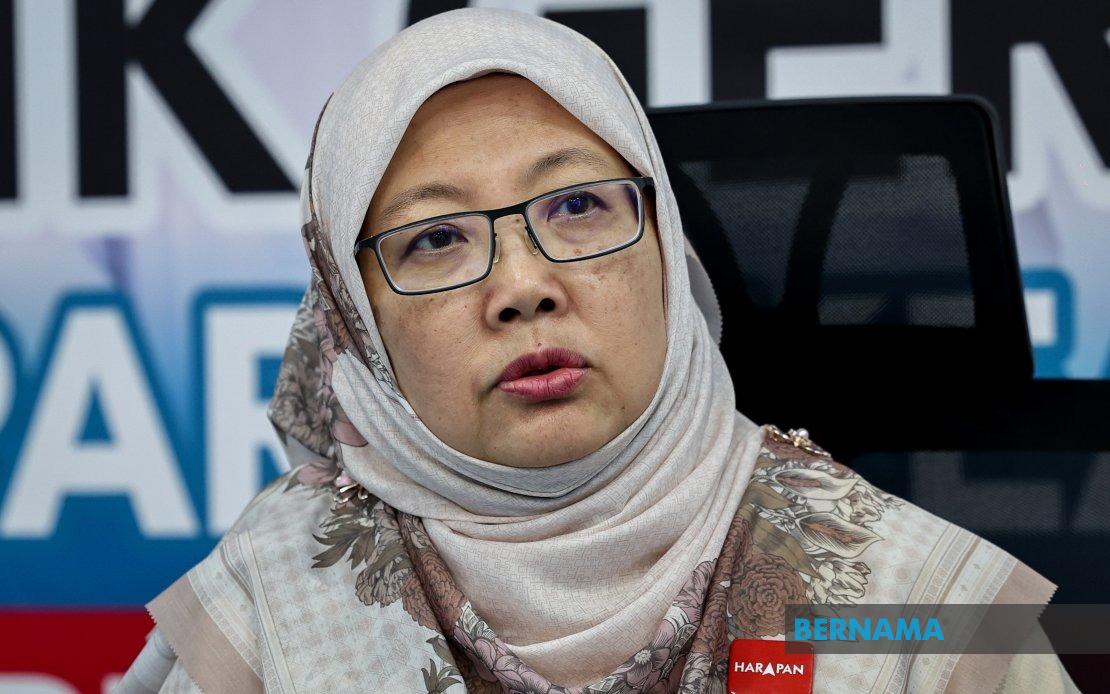
Pakatan Harapan will unveil its complete roster of candidates for the upcoming Johor state election on Monday, according to Johor PKR chairman Datuk Seri Dr Zaliha Mustafa. The announcement represents a crucial milestone in the coalition's preparation for what political observers regard as a pivotal contest that could reshape the political landscape in one of Malaysia's most important states. The formal presentation is expected to feature prominent PH figures, including coalition chairman Datuk Seri Anwar Ibrahim, signalling the strategic importance the national leadership places on the Johor campaign.
The venue for Monday's event will likely be in northern Johor, possibly in Bukit Gambir, Tangkak, a choice reflecting PH's strategic focus on consolidating support in the state's northern region. Dr Zaliha explained that this location selection follows a series of grassroots programmes that have generated what party officials characterise as encouraging community responses, particularly in areas like Bukit Naning. The decision to hold the announcement in the north rather than at the state capital underscores PH's belief that momentum is building in districts that historically presented mixed electoral prospects for the coalition.
The coalition's approach to candidate selection has incorporated feedback from multiple organisational levels, from branch representatives to state leadership, ensuring that nominees possess deep understanding of local constituencies and demonstrated service credentials. This multilayered vetting process reflects PH's recognition that the Johor electorate, known for discerning voters with strong community attachments, expects candidates with genuine local roots rather than parachuted outsiders. The emphasis on grassroots consultation also serves to strengthen party cohesion internally, as it signals that candidate choices emerge from consensus rather than top-down imposition.
PH has deliberately constructed its candidate slate to reflect demographic and professional diversity across the 56 seats it will contest statewide. The lineup incorporates professionals, younger politicians, female candidates, and representatives from various ethnic communities, a composition that party leadership believes enhances the coalition's broad-based appeal and demonstrates commitment to inclusive governance. This conscious balancing reflects both democratic principle and pragmatic electoral calculation, as voters increasingly expect representation that mirrors the demographic complexity of their constituencies.
The distribution of candidacies among coalition partners reveals the delicate internal power-sharing arrangements that have shaped PH's structure. PKR will field 20 candidates, DAP will contest 17 seats, and Amanah will present 19 candidates, a division that roughly reflects the parties' respective organisational strengths and electoral performance history in Johor. This allocation also leaves space for independent candidates or other allied parties, though the overwhelming majority of PH's campaign effort will funnel through these three established partners.
Dr Zaliha articulated PH's strategic ambitions for the contest, emphasising that the coalition enters not merely to accumulate additional seats beyond previous electoral performance but rather with the explicit objective of securing a working majority to form the next state government. This represents a significant escalation of electoral intent compared to previous contests where PH concentrated on gradual seat gains. The ambition reflects both the coalition's strengthened organisational capacity in Johor and perceptions of shifting voter sentiment, particularly in urban and semi-urban constituencies where sentiment towards PH has reportedly improved following various state-level programmes.
The Johor election timeline compresses the campaign period into a demanding schedule. Nominations will close on June 27, early voting is scheduled for July 7, and the main polling day is set for July 11. This compressed calendar means that the Monday candidate announcement essentially marks the formal beginning of intensive campaigning, with less than two weeks between nomination closure and election day for candidates to conduct door-to-door outreach and public events.
For Malaysian political observers, the Johor contest carries significance extending well beyond state-level implications. Johor has historically functioned as an economic and political bellwether, with its electoral outcomes often influencing national political calculations and coalition confidence. A successful PH-led government in Johor could substantially strengthen Anwar Ibrahim's political position domestically and internationally, demonstrating the coalition's capacity to govern one of the country's largest and most economically significant states. Conversely, failure to achieve this objective could prompt internal coalition tensions and reassessments of strategy.
The timing and composition of PH's candidate announcement also sends implicit signals to coalition members and supporters about party unity and leadership confidence. The public endorsement of Anwar Ibrahim's physical presence at the ceremony, despite his other national responsibilities, communicates that PH leadership regards the Johor election with genuine top-tier priority. For party members across Johor, the Monday event represents both celebration of selection and acknowledgment of the considerable campaign work that lies ahead across the state's diverse urban, semi-urban, and rural constituencies over the coming weeks.