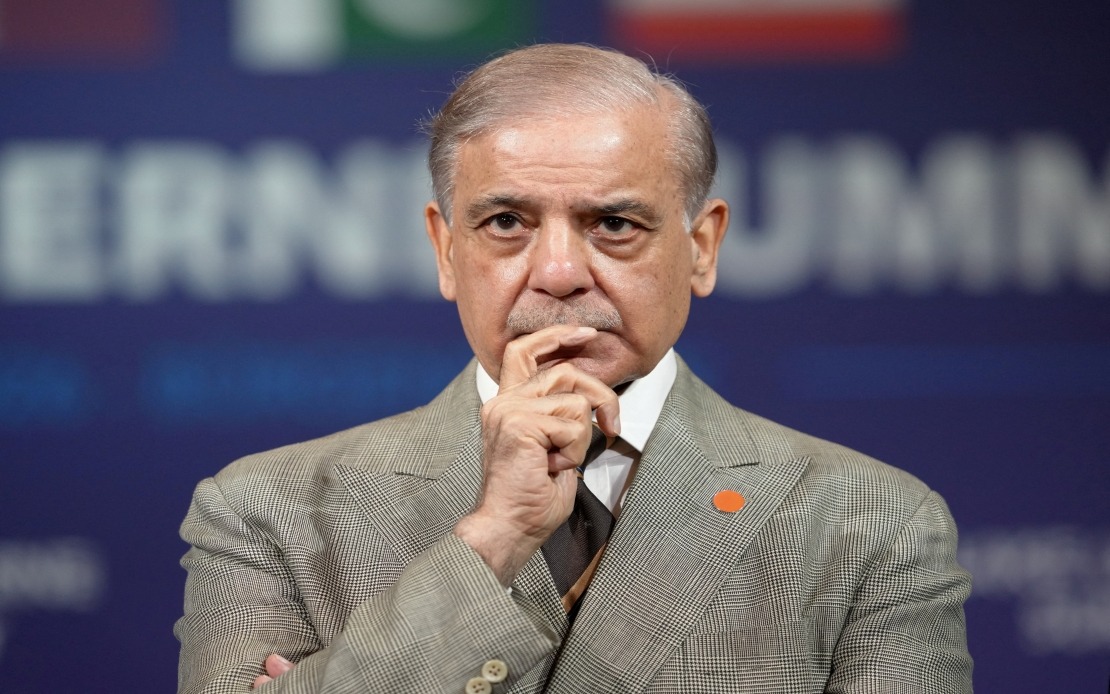
Pakistan and Turkiye have moved to strengthen their economic relationship following high-level talks in Istanbul between Prime Minister Shehbaz Sharif and President Recep Tayyip Erdogan. The discussions, which took place on Saturday, signal both nations' intent to transform their historical ties into a more robust commercial partnership, addressing shared interests across multiple sectors critical to regional development.
Beyond the formal government-to-government dialogue, Sharif addressed representatives from Turkey's largest industrial conglomerates at a dedicated Pakistan-Turkiye business conference. The event underscored both capitals' commitment to moving beyond diplomatic declarations into concrete commercial arrangements. By bringing major Turkish enterprises into the conversation, the conference format ensured that private sector voices shaped the agenda, a pragmatic approach that acknowledges how bilateral economic growth ultimately depends on business confidence and investment flows.
Central to the partnership framework is an ambitious target of US$5 billion in annual bilateral trade. This figure, while substantial, reflects recognition that the current economic relationship remains underdeveloped relative to the two nations' geographic proximity, shared Islamic heritage, and complementary economic structures. Reaching this target would require significant growth from existing levels and substantial new investment commitments from Turkish firms in Pakistani energy, manufacturing, and infrastructure sectors.
Energy cooperation emerged as a priority area, reflecting Pakistan's chronic power shortages and Turkiye's established expertise in energy infrastructure and management. Pakistani officials recognised that Turkish companies could contribute both technology and investment to address electricity generation and distribution challenges. Similarly, discussions on transportation infrastructure suggest both nations see potential in developing cross-border connectivity that could benefit regional trade beyond their bilateral relationship.
A particularly innovative element of the partnership involves establishing a Pakistan-Turkiye digital corridor. Sharif's vision, articulated during talks with Turkcell chief executive Ali Taha Koc, positions digital integration as foundational to 21st-century economic competitiveness. The corridor concept envisions secure cross-border data flows and integrated digital infrastructure that would facilitate not only commerce between the two nations but also position the corridor as a regional digital hub, potentially attracting technology investment from elsewhere in Asia and the Middle East.
Pakistan's Deputy Prime Minister and Foreign Minister Ishaq Dar led comprehensive discussions with Turkish corporate leadership on the conference sidelines, ensuring that investment opportunities across multiple sectors received detailed attention. The participation of ministers overseeing maritime, power, petroleum, privatisation, information technology, and telecommunications demonstrated that Islamabad approached these negotiations with a whole-of-government strategy. This coordinated approach signals serious intent to remove regulatory and administrative barriers that might otherwise impede Turkish investment.
The Turkish business delegation included heavyweight players from various sectors. Koc Holding, one of the world's largest conglomerates with diversified operations spanning automotive, finance, energy, and consumer goods, represents exactly the type of strategic investor Pakistan seeks. Arcelik's participation suggests potential opportunities in consumer durables manufacturing and home appliances production within Pakistan. Aygaz's involvement points toward gas infrastructure and distribution discussions, while Demir Export's presence indicates interest in mineral extraction and raw materials trade.
The emphasis on critical minerals acquisition reflects broader geopolitical shifts in global supply chains. Pakistan possesses significant mineral reserves that remain largely undeveloped, while Turkish companies have experience extracting and processing such materials. Deepened cooperation in this domain could benefit both nations while reducing dependence on alternative suppliers in an increasingly fragmented global economy. For Malaysian observers, this partnership model demonstrates how emerging economies can leverage complementary resources and expertise to create mutual value.
Manufacturing cooperation represents another dimension of the partnership with regional implications. Turkish companies increasingly seek to diversify production away from traditional European and Middle Eastern bases, and Pakistan offers lower labour costs, an established industrial base, and geographic positioning for serving South and Central Asian markets. Such manufacturing integration could generate employment in Pakistan while providing Turkish companies with competitive advantages in regional supply chains.
The Pakistan-Turkiye partnership must also be understood within broader geopolitical context. Both nations face economic pressures and seek to expand their international commercial relationships. For Islamabad, deepening ties with Ankara provides an alternative avenue for economic engagement beyond traditional relationships with Gulf states and the United States. For Ankara, strengthening partnerships across South and Central Asia represents long-term strategic positioning in an increasingly multipolar world.
From a Southeast Asian perspective, this partnership template offers lessons about leveraging geographic proximity, cultural affinity, and complementary economic structures to drive growth. The focus on digital infrastructure and critical minerals reflects global economic priorities that resonate with regional concerns. As ASEAN nations continue evaluating their economic partnerships, the Pakistan-Turkiye model demonstrates how bilateral relationships can extend beyond trade in goods to encompass technology transfer, digital integration, and infrastructure development.
Successfully realizing the US$5 billion trade target and implementing the digital corridor concept will require sustained commitment beyond initial enthusiasm. Both nations must address regulatory alignment, currency exchange challenges, and infrastructure connectivity issues that typically impede bilateral commerce. However, the involvement of major Turkish corporations and Pakistan's coordinated governmental approach suggest serious intent to move beyond aspirational statements into implementation.
The Istanbul talks represent an inflection point in Pakistan-Turkiye relations, signalling that both nations recognize opportunities for substantial economic partnership. Success in these initiatives could establish a model for deeper South and Central Asian integration while providing mutual benefits to both populations through job creation, technology transfer, and expanded market opportunities.

