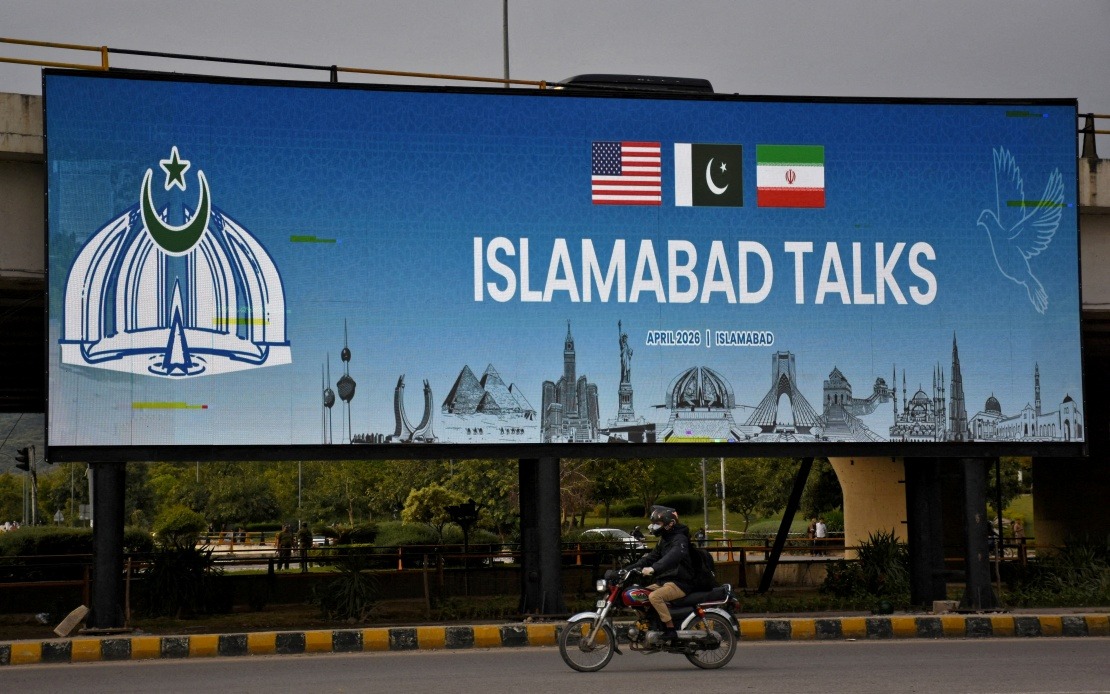
Negotiations between Washington and Tehran will move forward in Pakistan on July 11, according to reports from Al Arabiya news channel circulated by international media on Saturday. The venue shift represents a significant development in efforts to resolve longstanding tensions between the two countries through diplomatic channels, with Pakistan serving as a neutral ground for the discussions.
The talks scheduled for mid-July will focus on three interconnected issues that have dominated US-Iran relations for years. High on the agenda are discussions surrounding international sanctions imposed on Iran, the release and unfreezing of Iranian assets held abroad, and the contentious nuclear programme question. Each of these matters carries substantial weight, particularly for Iran's economy and regional standing in the Middle East.
For Malaysian observers and regional policymakers, the involvement of Pakistan as a diplomatic intermediary underscores the broader role that South Asian nations play in managing global tensions. Pakistan's position as a respected interlocutor reflects its long history of engaging with both Western powers and Iran, positioning Islamabad as a natural choice for facilitating sensitive negotiations.
The composition of Iran's delegation attending the Pakistan talks will be finalized only after the state funeral of former Iranian Supreme Leader Ali Khamenei, scheduled for July 9. This timeline constraint adds another layer of complexity to preparations, as the Iranian leadership prioritizes honouring the deceased former supreme leader before pivoting fully to international diplomacy.
The geopolitical backdrop informing these talks extends to a memorandum signed remotely by both nations in mid-June, marking a significant thaw in their adversarial relationship. That agreement, which took effect overnight on June 18, provided for a cessation of military hostilities that had erupted on February 28, establishing a ceasefire framework that both parties committed to upholding.
Beyond ceasefire arrangements, the June memorandum contains specific provisions addressing maritime commerce and economic blockades. The United States committed to lifting its naval blockade of Iranian ports within agreed timeframes, a critical concession given its impact on Iran's international trade and economic recovery. Simultaneously, Iran pledged to restore normal shipping operations through the Strait of Hormuz, a crucial waterway for global energy supplies and commerce.
Regarding nuclear matters, both countries have established a structured pathway forward. Iran has committed to refraining from pursuing nuclear weapons development, representing a cornerstone of international non-proliferation efforts. However, the technical details and verification mechanisms for Iran's nuclear programme remain subjects for a separate comprehensive agreement, with negotiations allotted 60 days for resolution.
For Tehran, the ultimate prize in these negotiations remains the dismantling of comprehensive international sanctions that have crippled its economy for years. The lifting of anti-Iran sanctions represents the primary incentive driving Iranian participation in these talks, and Iranian negotiators will likely pursue aggressive timelines and verifiable commitments from Washington regarding sanctions relief.
The involvement of multiple stakeholders, including international brokers and regional powers, suggests that these negotiations extend beyond purely bilateral concerns. Southeast Asian economies, particularly Malaysia with its significant petroleum interests and reliance on Strait of Hormuz shipping lanes, have vested interests in any resolution that stabilizes energy markets and ensures unimpeded maritime commerce.
The Pakistan venue also reflects the complex web of regional diplomacy required to address US-Iran tensions. With ongoing tensions in the Middle East and broader geopolitical competition between major powers, finding neutral ground becomes essential for both parties to negotiate without appearing to capitulate domestically to critics.
Successful completion of negotiations in Pakistan during mid-July could reshape the strategic landscape of West Asia, with implications extending to global energy prices, maritime security, and the regional balance of power. For Southeast Asia's supply chains and energy security, any breakthrough in US-Iran relations carries tangible consequences for shipping costs and stability in critical waterways.
The 60-day nuclear negotiation timeline suggests that July 11 discussions represent merely the opening phase of a potentially protracted diplomatic process. Both sides entering into these talks face domestic political pressures and expectations from their respective populations, complicating matters despite the apparent momentum from the June ceasefire agreement.
As talks proceed in Pakistan, regional observers including Malaysian analysts will monitor developments carefully, recognizing that any durable settlement between Washington and Tehran carries profound implications for Asian markets, energy security, and the broader international order.

